Stop Cooking Your Chamber Walls: A Better Way to Heat Wafers
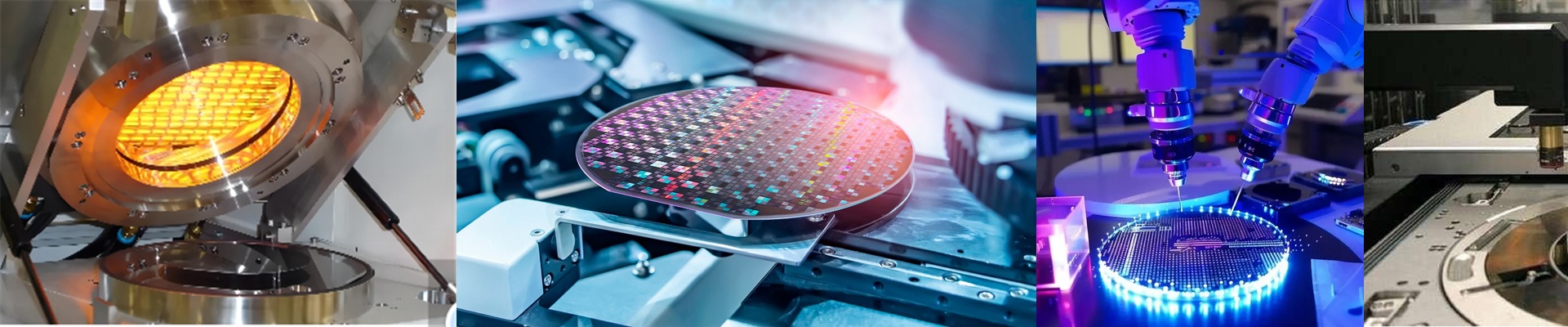
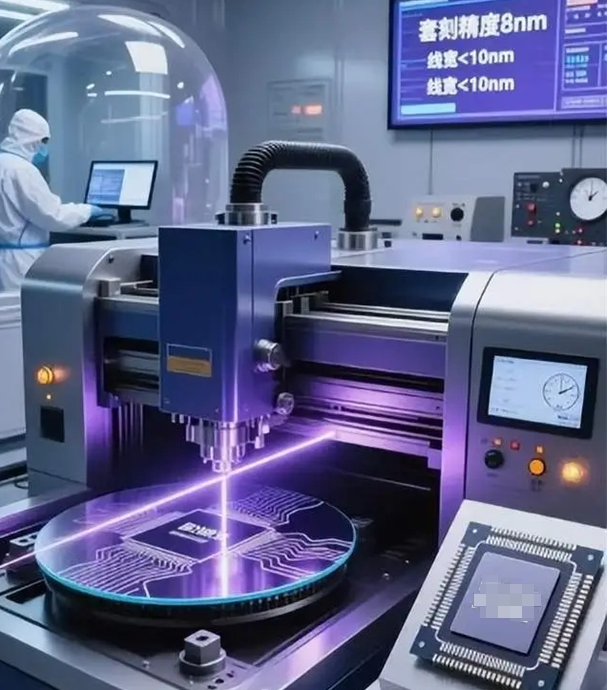
When you’re heating semiconductor wafers, you want the energy hitting the substrate. Period. You don’t want it hitting the equipment housing. The problem is that standard IR lamps are kind of chaotic—they throw heat in every direction, 360 degrees. When you’re working with a tight tool footprint, those inner chamber walls just soak up all that waste heat. It’s a mess. Before you know it, you’re risking damaged seals or, worse, an operator getting burned because the outside of the machine is way too hot to touch.
How we actually fix the physics
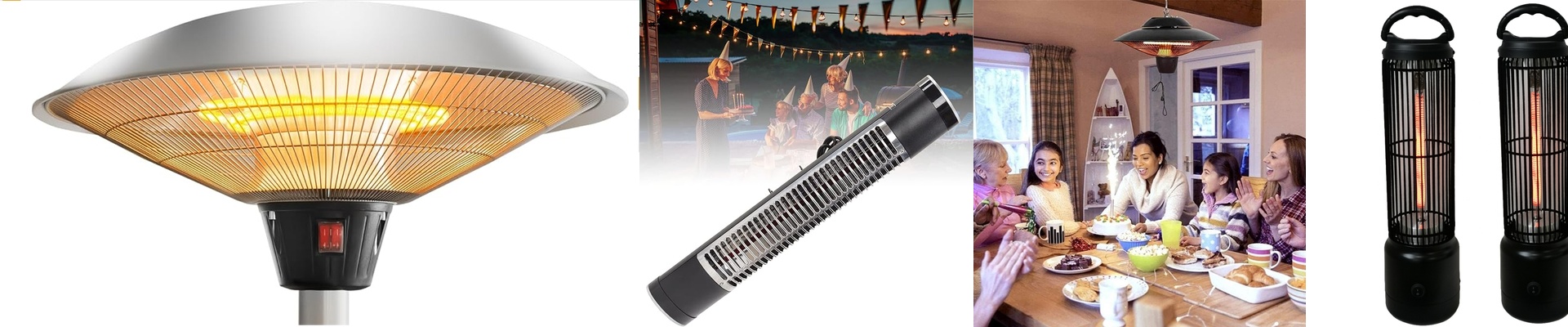
We handle this by getting directional with the IR technology. Instead of just using a clear quartz envelope, we use specialized coatings or reflectors to basically “push” the infrared energy exactly where it needs to go: toward the wafer. It narrows the beam. By concentrating that flux, we stop the heat from bleeding into the chassis. But you have to get the distance right. It’s a balancing act between the lamp’s wattage and where the reflector focuses. If you move the lamp too close, you’ll get hot spots. If you push it too far back? You lose that directional edge and the heat starts leaking into the walls again.
The trade-offs (because nothing is perfect)
Directional heating isn’t some magic wand. While your walls stay cool, you’re putting a lot more thermal load directly on the wafer surface. This means you need to make sure your PID controllers can actually keep up with those faster ramp rates. If your cooling system isn’t sized for that concentrated hit of energy, you’re going to overshoot your target temperature. If you want the best results, go with gold-coated reflectors. They’re incredible for reflectivity in the short-wave spectrum and keep the heat on track. Just a heads-up: the higher your wattage, the more you have to obsess over alignment. A few millimeters of slip can shift the heat zone right off the wafer and straight into your internal components. And that’s a mistake you only make once.