Stop the Glass Shower: Keeping Your Wafers Safe from Tube Bursts
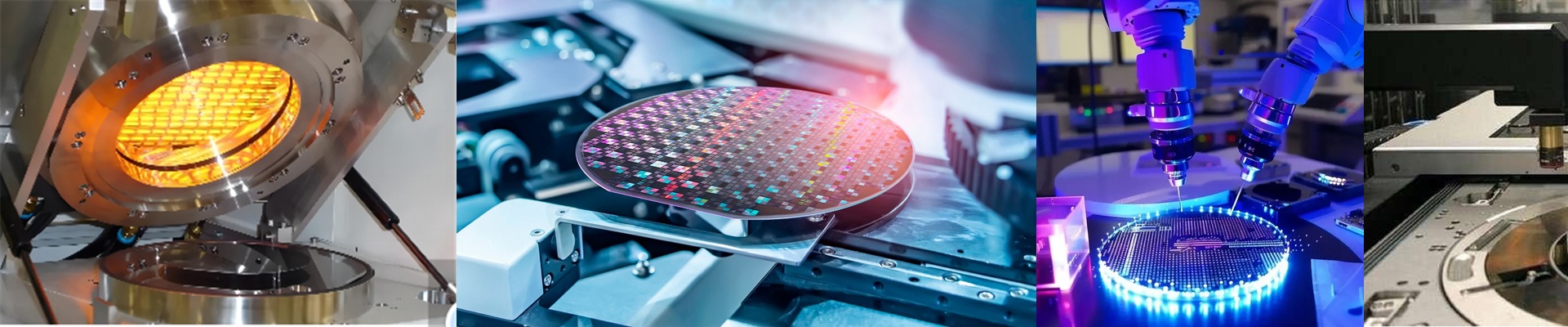
In a high-load semiconductor setup, a burst infrared lamp is more than just a “down-time” headache. It’s a total nightmare. When a quartz tube goes, it doesn’t just stop working—it showers your wafer surface with tiny glass shards and chemical gunk. It’s a mess. That’s why we build our heaters to kill that risk before it ever happens. Why tubes actually break Most of the time, it comes down to thermal stress. You push a lamp to its max wattage, and the center gets scorching hot while the ends stay cooler. That temperature gap creates a mechanical tug-of-war inside the glass. To fix this, we use high-purity fused quartz. It doesn’t expand or contract nearly as much as the cheap stuff, so the tube stays stable even when you’re cycling heat fast. And we don’t ignore the ends. Poorly crimped seals are usually the first thing to pop under pressure. We’ve tweaked the seal geometry to make them tougher, so you aren’t constantly worrying about a blowout during a heavy load. The safety net Look, accidents happen. Even the best tubes can fail. That’s where the physical shielding comes in. We put a high-transmittance quartz sleeve or a protective mesh over the heating element. Think of it as an insurance policy. If a lamp burns out and the tube cracks, the sleeve catches the debris. Your wafers stay clean, and your process keeps moving. The trade-off Now, there’s a catch. Adding that protective sleeve adds a bit of thermal resistance. You lose a tiny bit of that direct IR punch compared to a bare lamp. You’ll probably need to tweak your power settings or give your ramp-up times a little more breathing room to make up for it. It’s a small price to pay to avoid scrapping an entire batch of 12-inch wafers. One last tip: pair these with a precise PID control system. Don’t just crank the voltage to “force” the heat through the sleeve—that’ll just fry your filaments. Keep the voltage steady, and your hardware will last a lot longer.