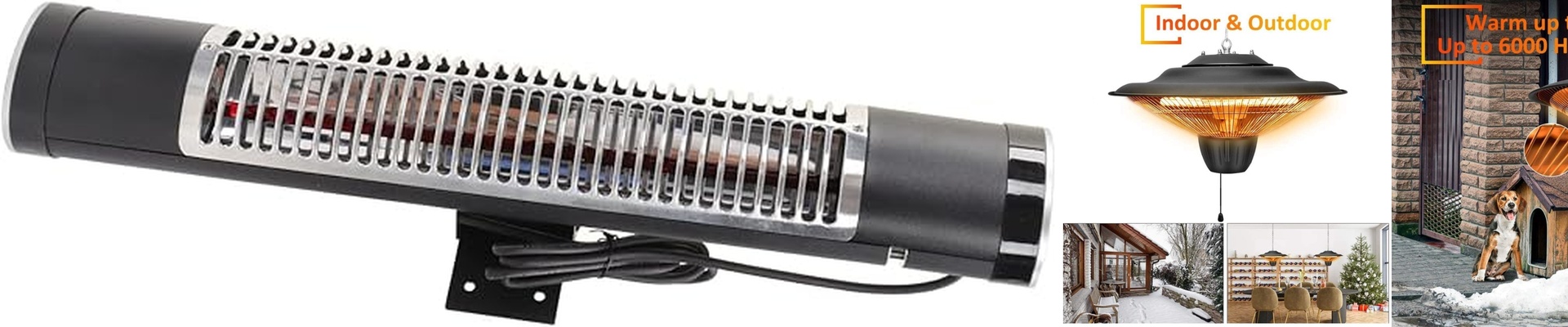
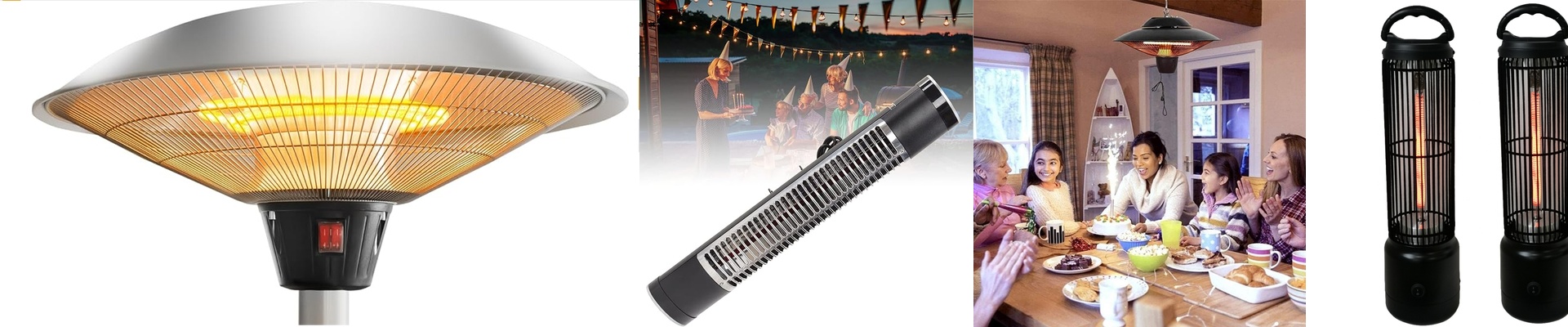
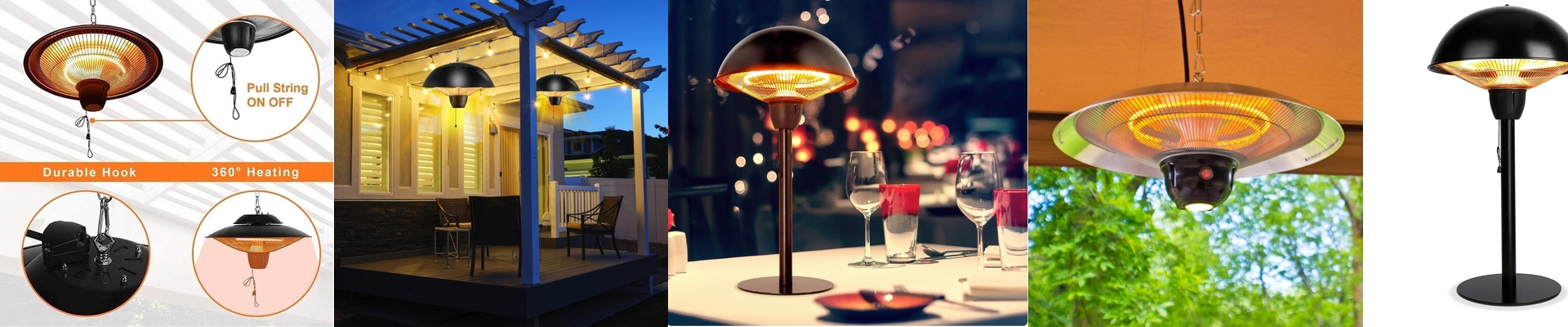
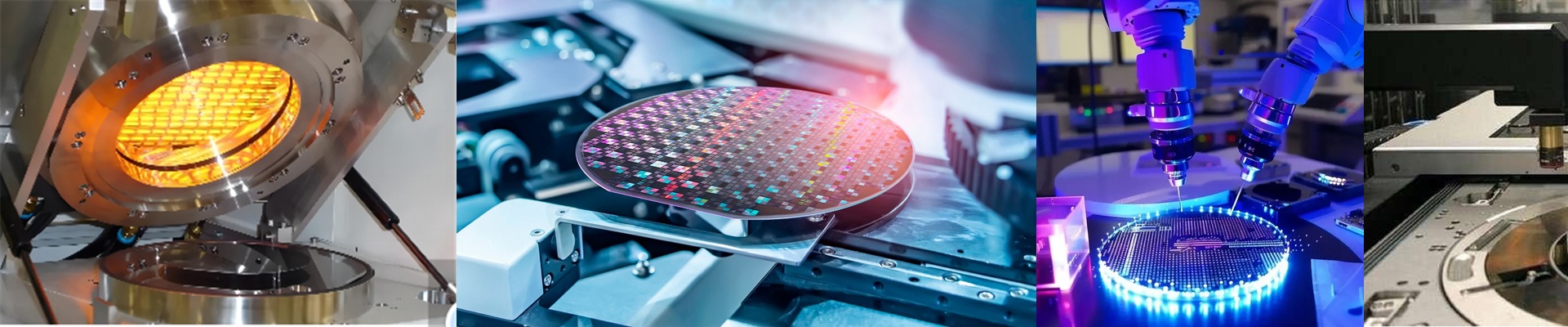
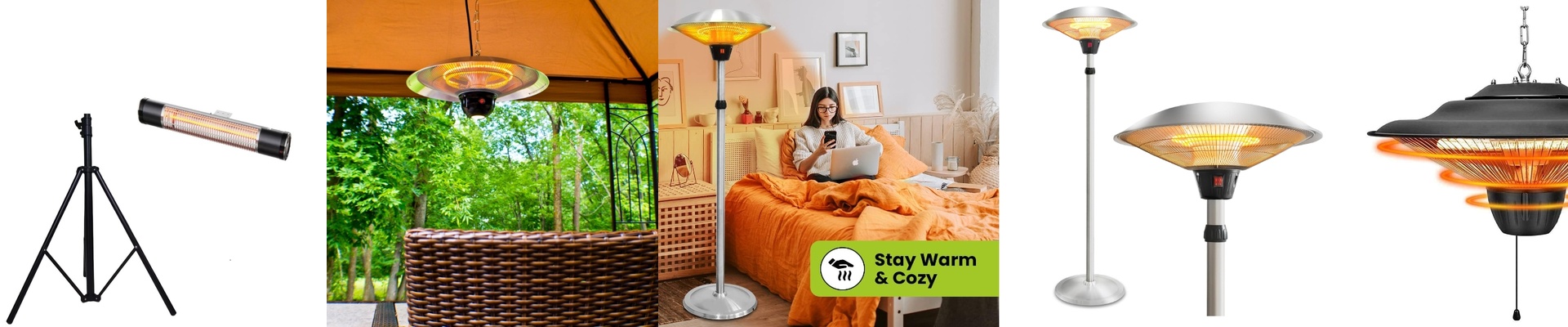
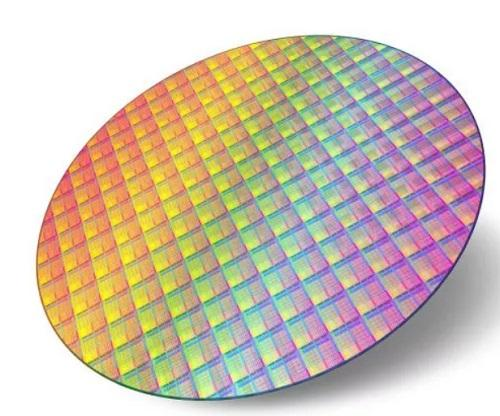
On the line, the burn-in ovens run nonstop. Wafers line up for thermal stress, then move on. If the heating lamp hesitates, the whole station stalls. If the temperature drifts, yield takes a hit. In burn-in, the lamp isn’t just a part—it’s the thermal spine of the operation. We built this wafer burn-in test heating lamp for the way the floor actually runs: 24/7, year after year, with no room for surprises. It’s engineered to deliver steady heat under continuous duty, so the oven keeps to schedule and the thermal budget stays inside spec.
What matters, technically
This lamp is built around the real constraints of burn-in and photoresist thermal steps: tight uniformity, clean output, and long life despite constant on-off cycling.
- **Heater technology:**Short-wave infrared (SWIR) halogen elements in quartz envelopes give fast response and predictable spectral output. SWIR penetrates the wafer stack efficiently, cutting the time to reach setpoint while keeping overshoot in check.
- **Thermal uniformity:**The system holds wafer-level uniformity within ±0.1°C across the active zone. That matters because even small hot spots skew stress distribution in burn-in and can change photoresist flow during bake steps.
- **Temperature control:**Closed-loop control with calibrated sensors keeps setpoint stable over 24-hour runs. Repeatability lot-to-lot comes from controlling rise time, soak time, and cooldown ramps with consistent accuracy.
- **Cleanroom compatibility:**The assembly is rated for cleanroom Class 1–100 environments. Components are chosen to minimize outgassing, and the optical path is designed to generate zero particles during operation. Particle counts stay within process limits, protecting lithography and downstream film integrity.
- **Life and output consistency:**We design for long life under continuous cycling. Field units regularly hit 5,000+ hours with less than 5% output drop. Filament geometry and quartz quality are selected to resist degradation from repeated thermal shock.
- **Mechanical integration:**Standardized mounting and connector options make this a direct retrofit into existing burn-in chambers and bake modules. Dimensions match common fixtures, so swaps take minutes, not hours.
- **Power and thermal management:**The driver and lamp are matched for stable power delivery and efficient heat rejection. Energy use is tuned to deliver the required thermal response without dumping excess heat into the chamber cooling load.
Why it holds up in practice
Burn-in drives throughput. Every minute of unplanned downtime ripples across the line, and any temperature excursion risks scrap. In a 24/7 burn-in cell, the lamp has to start fast, hold steady, and repeat. Our SWIR halogen design hits setpoint quickly, then holds it with tight uniformity. Less time spent stabilizing means shorter cycle time and more daily capacity. Photoresist processing lives and dies by the bake profile. Soft bake and hard bake temperatures directly affect critical dimension control and sidewall profile. If the lamp drifts, photoresist flow changes, and CD bias shifts. With ±0.1°C uniformity and stable control, the bake profile stays consistent wafer-to-wafer. That means tighter distributions and fewer excursions. Reliability, at the end of the day, is measured in uptime. The lamp is built to tolerate repeated start cycles without failing early. It runs without unplanned stops, so ovens keep moving and schedules stay intact. Maintenance becomes planned work, not reactive scrambles. Cleanroom performance isn’t optional. The lamp produces no particle spike at startup or during operation. It doesn’t introduce contamination that can land on wafers, masks, or optics. Particle counts stay in spec, and scrap from foreign material drops. The payoff is predictability. You get consistent thermal stress in burn-in, repeatable bake profiles in resist processing, and fewer interruptions. Energy use is managed through efficient conversion and targeted heat delivery, so operating cost doesn’t climb as performance does.
The practical details
The lamp hits its specs when installed and operated within defined conditions.
- **Chamber compatibility:**It integrates with standard burn-in chambers and bake modules. Confirm fixture dimensions, mounting holes, and electrical interfaces before installation. Retrofit kits are available for common platforms.
- **Cooling and airflow:**Stable performance depends on adequate chamber cooling and airflow. If the chamber runs hot, the lamp driver and envelope run hotter, and life shortens. Keep cooling within the specified conditions.
- **Power supply and grounding:**Use a dedicated, clean power feed with correct voltage and grounding. Electrical noise and voltage fluctuations can hurt control stability and cut element life.
- **Clean handling:**Install using cleanroom-compatible procedures. Don’t touch quartz surfaces. Contamination on the envelope can bake on, create hot spots, and reduce output.
- **Life planning:**Even with long life, the lamp has a finite operating time. Schedule replacements during planned maintenance windows. Keep a matched spare on hand so downtime doesn’t stretch.
- **Optical safety:**SWIR output is intense. Make sure interlocks and shielding are in place, and follow standard operating procedures when accessing the chamber during operation. If your burn-in ovens can’t afford to stop, the heating lamp has to carry the load. Our wafer burn-in test heating lamp delivers the thermal control, cleanroom behavior, and continuous reliability needed to keep the line moving—built the way we run it: 24 hours a day, seven days a week, with no unplanned interruptions.