Stopping Catastrophic Failure in High-Load Wafer Tools
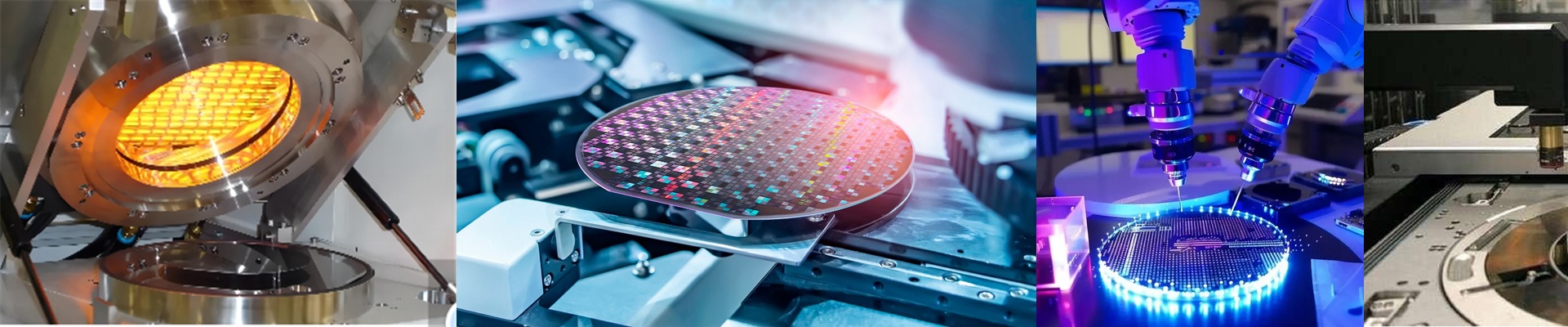
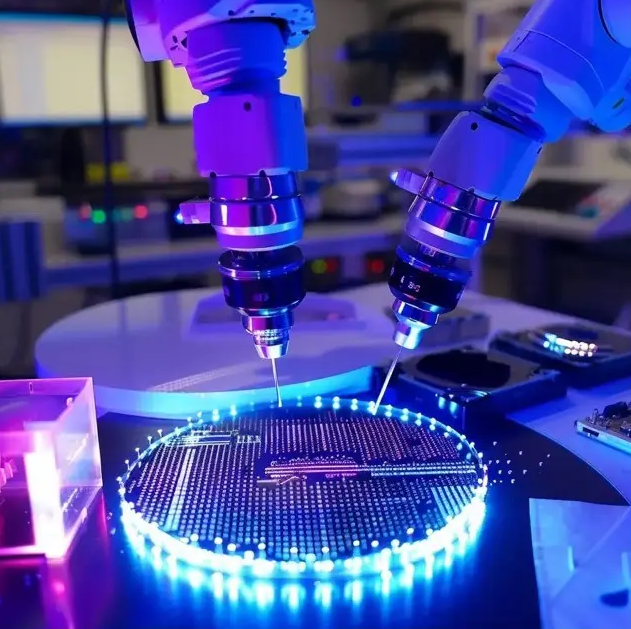
Ever had one lamp go down and suddenly your whole batch is at risk? In high-load wafer processing, a burst lamp doesn’t just kill a component—it seeds your chamber with contaminants that can scrap an entire run. We built our infrared lamp system to stop that nightmare before it starts. So your tool keeps running, and your wafers stay clean.
Power, Voltage, and Dimensions: Built for the Grind
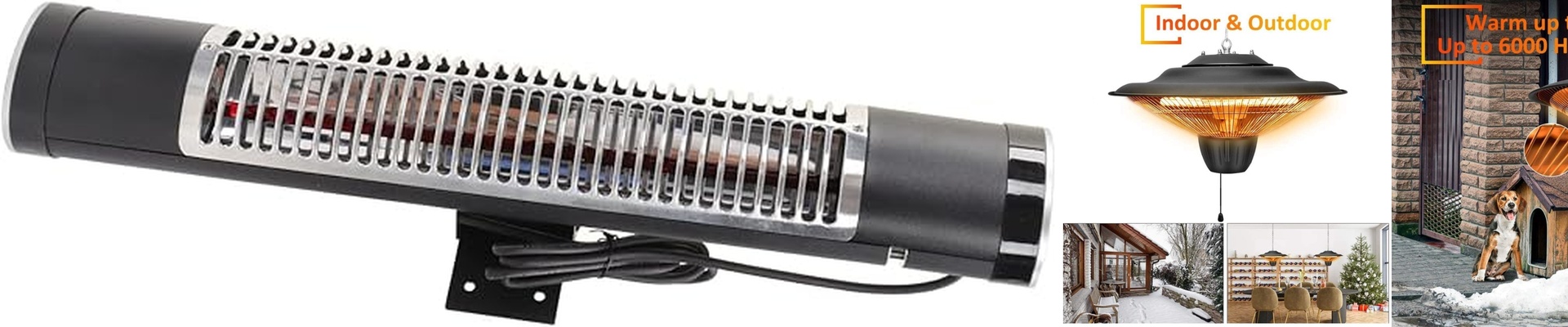
Here’s the thing: fab life is 24/7, and the power grid isn’t always steady. That’s why we spec the lamp at 400V. It holds steady when voltage dips and surges—the kind you see in dense fab infrastructure—so you don’t get thermal cycling that leads to stress fractures. The 300mm length and 2500W rating aren’t random. They’re a deliberate balance: enough heat density for fast temperature control, but compact enough to drop right into existing tools without redesigning the chamber.
Material and Design: The Details That Matter
The quartz envelope is coated to focus the energy where you need it and cut down on radiant heat that can bake surrounding parts. That same coating helps resist devitrification and chemical attack from process byproducts. And the R7s connector? It’s proven, rugged, and locks the lamp in place. It handles high current without creating hot spots, and the install is quick—no fussing with fragile terminals.
High Heat, High Reliability—On Demand
In wafer tools, you need heat on demand, and you need it to stay consistent. This setup delivers high heat density with stable output, so your temperature sensor readings stay accurate and repeatable. The safety design reduces the risk of lamp burst, so you don’t have to worry about glass shards or coating debris hitting the wafer. But there’s a trade-off: that 2500W density needs proper cooling. Size your cooling circuit to handle the ambient load, or you’ll shorten lamp life. For engineers, it means fewer unplanned stops, faster changeovers, and a drop-in replacement that keeps the line moving.