Getting Your IR Reflectors Right for Wafer Curing
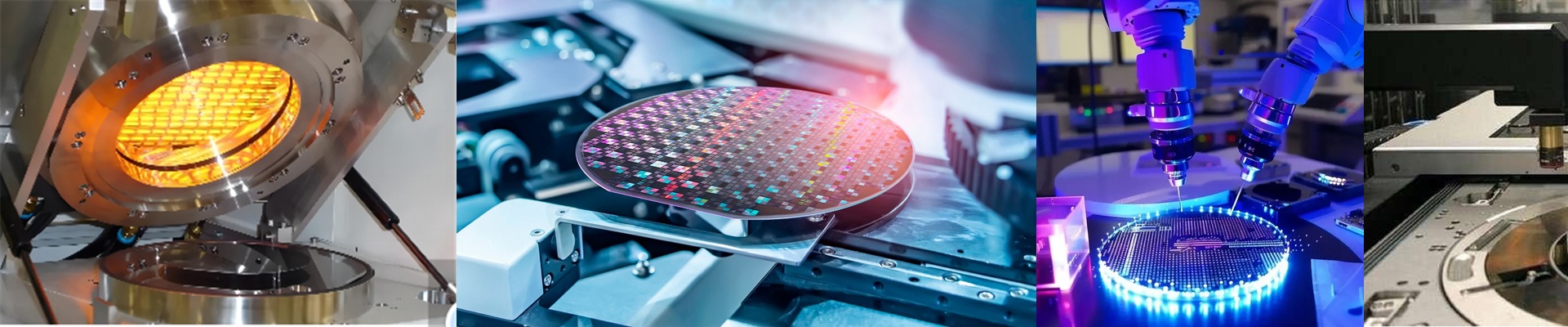
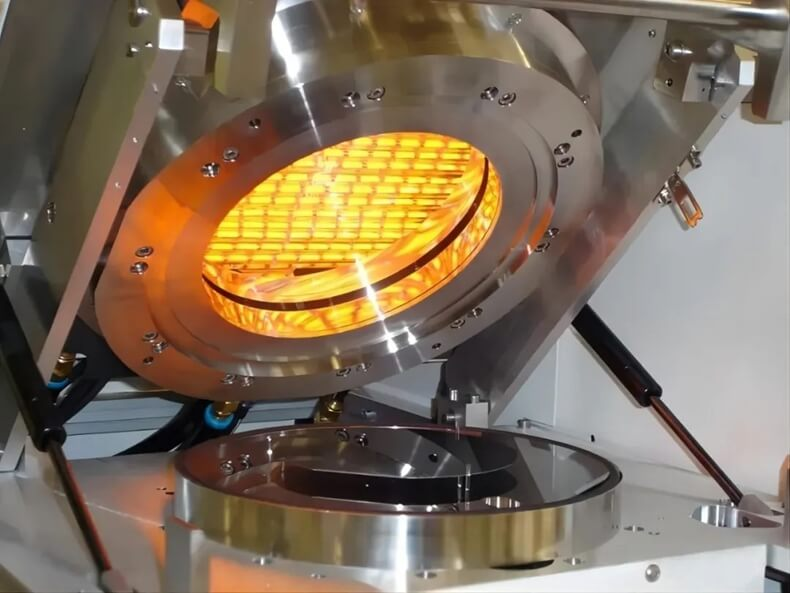
When you’re curing wafers, you need heat—and you need it to be precise. But you can’t just blast the substrate with energy and hope for the best, especially if you’re trying to keep things clean and eco-friendly. That’s why we lean on shortwave lamps paired with high-reflectivity IR reflectors. It’s a completely different beast than a convection oven. Instead of heating up the entire chamber like a giant toaster, IR goes straight for the wafer surface.
Why the Reflector Actually Matters
Here’s the thing: a curing lamp on its own is pretty inefficient. It throws energy in every direction—360 degrees. Without a reflector, you’re basically spending half your power heating up the machine’s frame. Not exactly a great use of electricity. We design our reflectors to catch that wasted energy and bounce it right back onto the wafer. It cranks up the heat flux density and slashes your ramp-up times. You hit your target temperature faster, which means less energy used per wafer. Simple as that.
The Nitty-Gritty: Materials and Heat
We stick with high-purity aluminum or gold-coated surfaces because they’re the best at bouncing back shortwave IR. But the geometry has to be spot on. If the curve is off by even a few millimeters, you’ll get hot spots. That’s a nightmare scenario—you end up with uneven curing or, worse, warped substrates. And you’ve got to be careful with tolerances. These lamps get incredibly hot. If the reflector isn’t vented properly or can’t handle the thermal expansion, it’ll warp. Once that happens, your focal point shifts, and your yield starts tanking.
Going Lead-Free (and the Trade-offs)
Switching to IR curing is a breath of fresh air. You can ditch the solvent-based heating and those nasty lead-containing thermal mediums. It’s a clean, dry process. You flip a switch, and you have instant heat with zero emissions. But it isn’t magic. There are some trade-offs. IR is pinpoint accurate, but it doesn’t have that “blanket” uniformity you get from a forced-air oven. You’ll spend some time tuning the distance between the lamp and the wafer, and tweaking the reflector angle so you don’t burn the edges. Just a heads up: if you crank the wattage too high without adjusting the focal length, you’re asking for localized overheating. It takes a little bit of finesse to get it perfect.