

Why Your Bathroom Heater Keeps Dying (And How to Fix It)
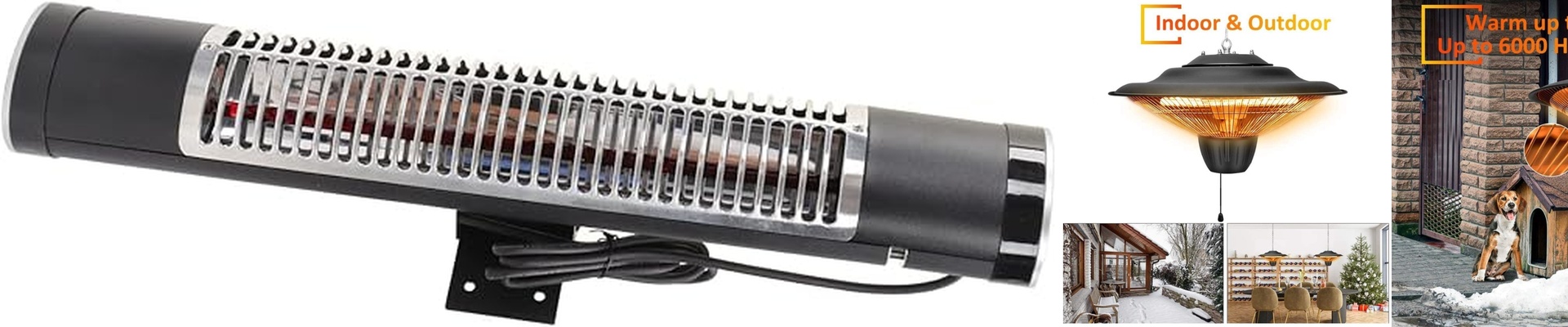
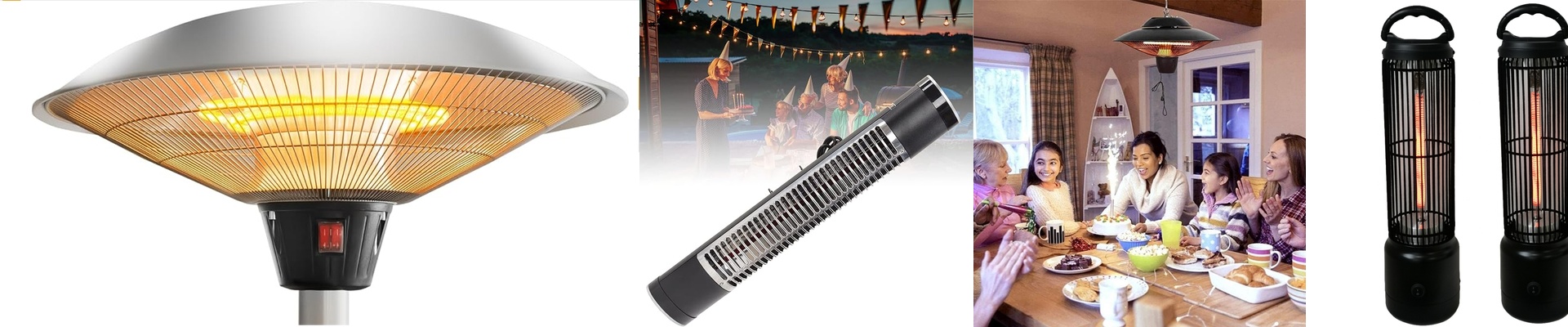
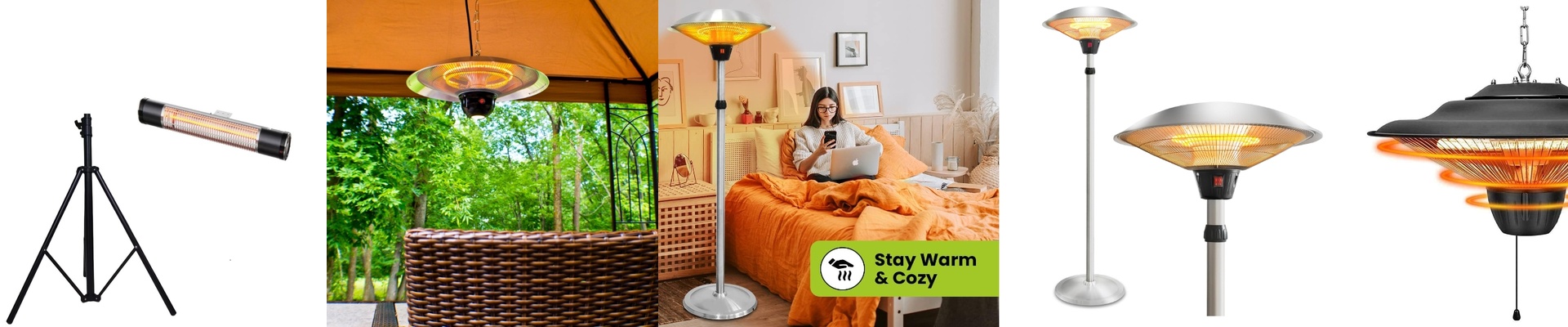
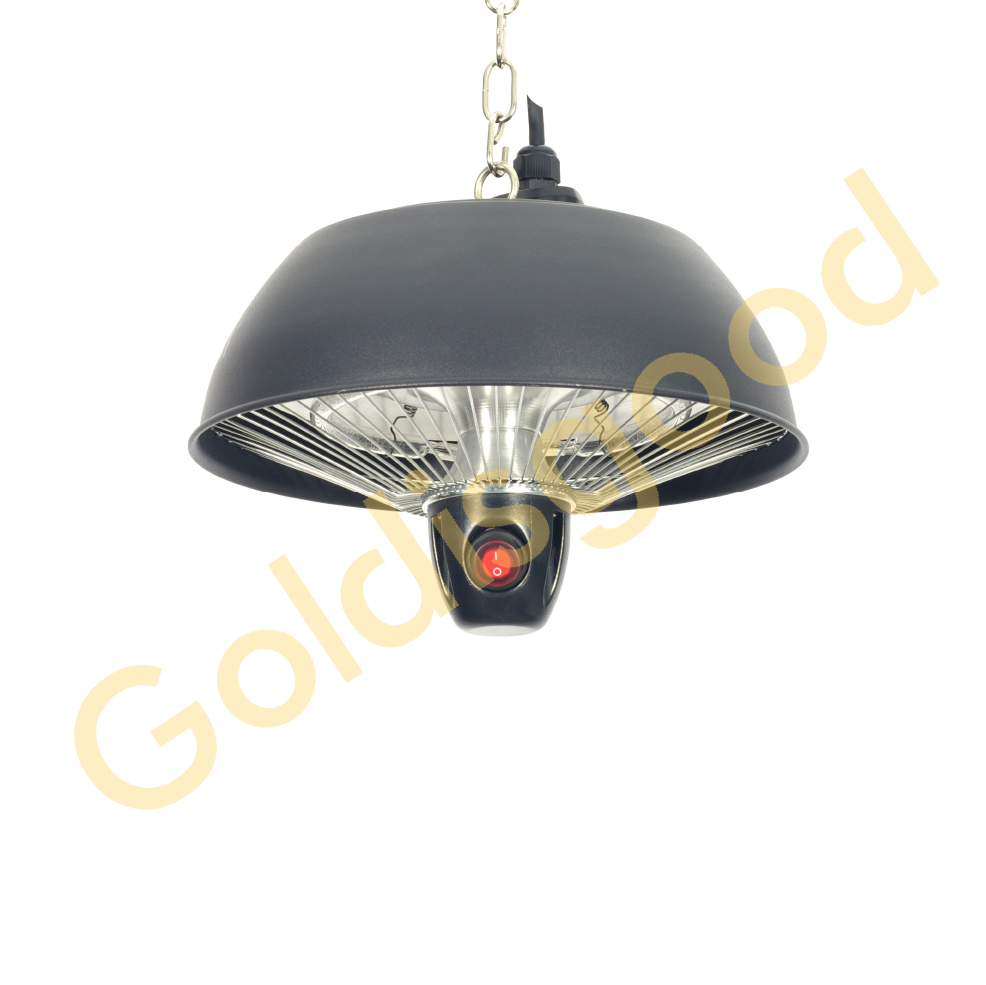
Ever notice how those old-school bathroom lamp heaters always seem to quit right when you need them most? Usually, it’s because they use basic halogen tubes that aren’t actually sealed. In a room full of steam and humidity, that’s a recipe for disaster. That’s why we’re seeing more people switch to high IP-rated infrared heaters. If you aren’t familiar with “IP ratings,” just think of it as a shield. It’s what keeps the steam and stray water splashes from getting inside the guts of the machine and shorting the whole thing out. The battle against moisture Here is the thing: moisture loves to creep into heater housings. It eats away at the terminals, causes corrosion, and eventually, the unit just burns out. We use sealed gaskets and special coatings to keep the internals bone-dry. When you’re picking a heater, that IP rating is the only thing standing between a cozy morning and your circuit breaker tripping the second you turn on the shower. Stop heating the air Most heaters try to warm up the air around you. But we’ve all been there—you spend ten minutes warming the room, you open the door to step out, and all that heat vanishes instantly. Infrared is different. It doesn’t mess with the air; it sends out waves that heat your skin and the surfaces around you directly. You feel it the moment you flip the switch. No more waiting around for the room to “warm up.” A quick heads-up on installation These units are great because they’re compact and easy to wire. But there’s a catch. Because they pack so much heat into a small space, you can’t just slap them flush against a flammable ceiling. You need a bit of breathing room. If you ignore the clearance specs, you’re looking at scorched ceiling panels or warped materials. Just double-check your distances before you tighten the screws. We build these things to take a beating. By ditching those flimsy bulbs for sealed infrared arrays, you get something that actually survives a full home renovation instead of dying after two cold winters.