Cutting Carbon in the Fab: Why IR Heating Actually Works
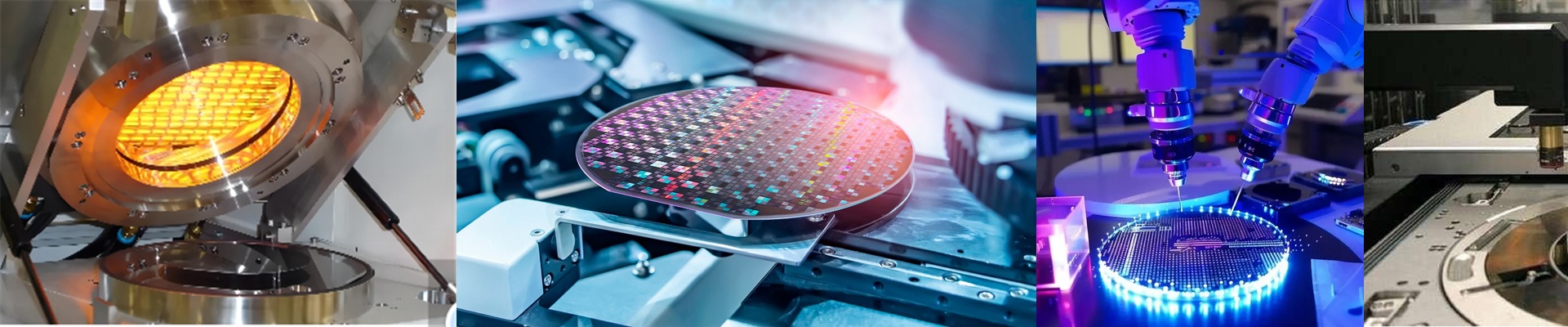
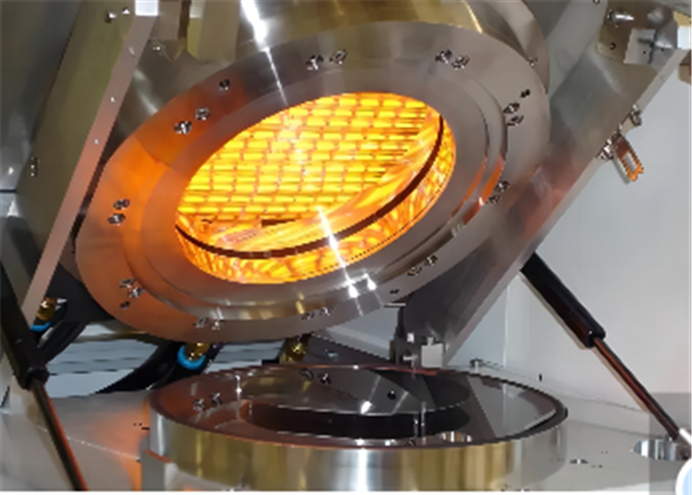
If you’re trying to hit carbon neutrality in a semiconductor fab, you usually end up staring at two big problems: wasted heat and a massive electricity bill. Most of us are used to resistive furnaces. But here’s the thing—they’re inefficient. They heat the air, then the chamber, and eventually, the wafer. It’s like trying to warm up a house by heating the entire neighborhood first. We do things differently with shortwave infrared (IR) systems. Instead of warming up the whole room, the energy goes straight into the wafer. It’s direct. It’s clean. And it saves a ton of power.
The physics of it (without the textbook)
Traditional heating is slow. It drags. With shortwave IR, we target the specific absorption band of the material. This means we can crank up the temperature in seconds. When you aren’t spending an hour waiting for a massive piece of metal to get hot, your energy per run drops significantly. Plus, you’re dealing with much less thermal mass. Less heavy metal to heat up means less electricity wasted just getting the machine ready to work.
Getting the hardware right
We design these systems to fit into the tight, high-pressure world of a cleanroom. If you’re short on space, we use high power density lamps to keep the tool footprint small. But you can’t just throw any lamp at a wafer. If the wavelength doesn’t match the material, the energy just bounces right off—kind of like light hitting a mirror. That’s why we use quartz envelopes. They let the energy through and keep the whole process from getting contaminated.
The real-world trade-offs
Look, nothing is perfect. High-density IR arrays put out a massive amount of heat. That’s great for getting your wafers through the line faster, but it puts a real strain on your cooling. If your chilled water loop isn’t up to the task, you’ll start seeing thermal drift, and your process will go sideways. Then there’s the lifespan of the lamps. It’s tempting to run them at max wattage to get those lightning-fast ramp times, but you’ll burn through your filaments way faster. The secret is finding a balanced power profile. You’ll still hit those carbon reduction goals, but you won’t be replacing lamps every other week. It keeps your maintenance predictable and your sanity intact.