Getting MEMS Wafers Dry Without the Headache
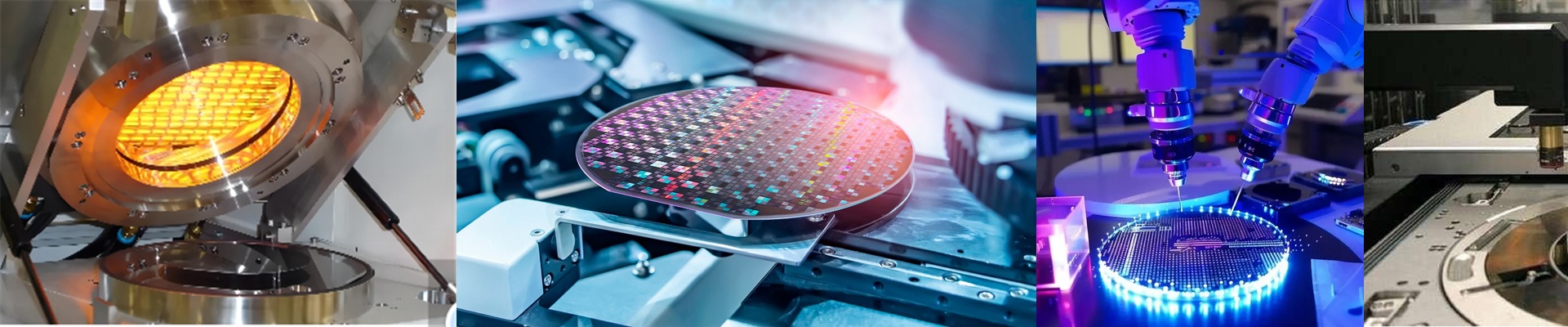
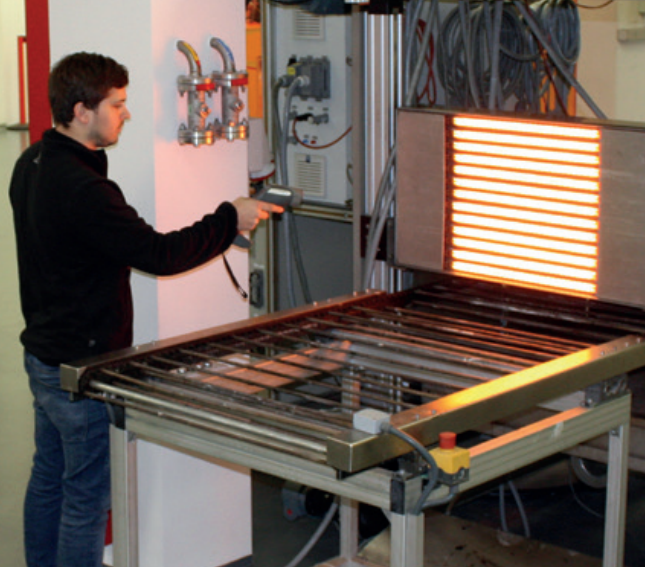
If you’ve ever dealt with MEMS sensor wafers, you know the struggle. One tiny water spot or a bit too much mechanical stress during drying, and the whole batch is a mess. You need heat, but you need it to be precise. That’s why we stick with short-wave infrared (IR). Instead of wasting time heating up the air in the entire chamber, IR dumps energy directly onto the wafer surface. It’s cleaner, faster, and just makes more sense.
Making the Hardware “Smart”
In a modern fab, we don’t just flip a switch and hope for the best. We plug IR arrays into a digital loop. The beauty of these systems is how they react. They ramp up and cool down almost instantly. Because of that speed, we can map out exactly how the heat is spreading across the wafer in real-time. That data goes straight back to the PLC, so every single sensor on that wafer dries at the exact same pace. No guesswork.
The Balancing Act
Now, there’s a catch. To get the heat density we need, we usually go with high-wattage quartz lamps. But here’s the thing: when you cram that much power into a small space, things get hot—fast. If you’re pushing the array to hit your drying targets, your chassis cooling has to be top-notch to handle the reflected heat. If the cooling lags, you’re looking at warped wafer carriers, which is a nightmare nobody wants.
Ditching the Old Ways
We’ve also moved away from those clunky old relays. Now, we use PWM (Pulse Width Modulation) controllers to handle the power. It gives us a smooth, linear control curve. If you change your wafer thickness, you just tweak the profile in the software. You don’t have to go in and swap out hardware every time the project changes. It’s a breath of fresh air compared to those old convection methods that took forever and told you nothing about what was actually happening inside. At the end of the day, direct IR just wins. Your drying cycles shrink, your equipment takes up less floor space, and you get a cleaner wafer. It just keeps the line moving.