Keeping Your IR Lamps Safe in Chemical Zones
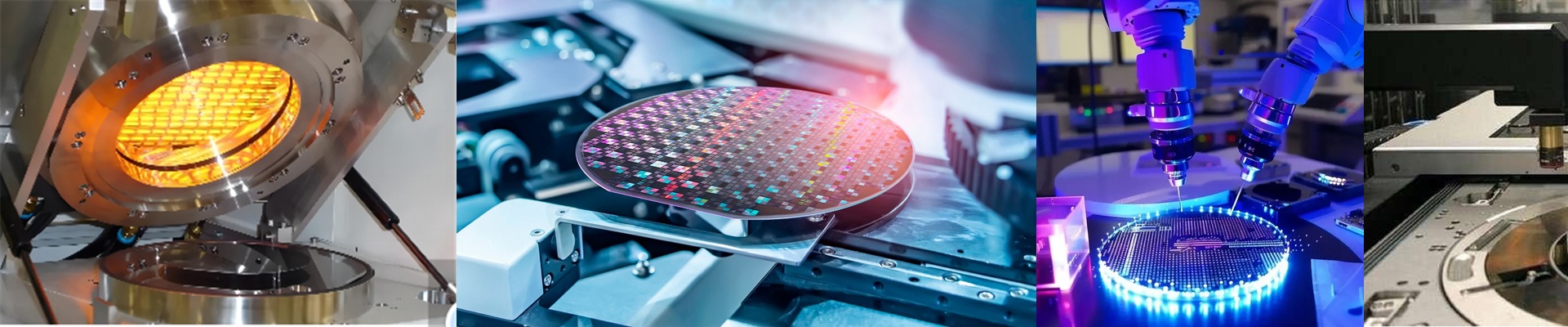
When you’re cleaning wafers, you’re usually dealing with chemicals that are volatile and, frankly, flammable. Now, throw some high-intensity infrared (IR) lamps into that mix, and you’ve got a recipe for a disaster. The last thing anyone wants is an ignition event in the middle of a production run. To stop that from happening, we stopped using open-element designs. Instead, we encapsulate everything.
Stopping the Spark
Think about it: one tiny spark or a hot surface hitting solvent vapors, and you’ve got an explosion. It’s a nightmare scenario. That’s why we wrap our IR lamps in high-purity quartz sleeves and lock the ends down with gaskets that can actually handle chemicals. It creates a solid wall between the heating element and the air around it. We make sure the housing is gas-tight. So, if a chemical leak happens in your chamber, those vapors can’t sneak into the lamp housing or reach the electrical terminals. It just keeps the danger out.
Picking the Right Stuff
We stick with short-wave IR emitters. Why? Because they push the energy straight onto the wafer surface. They don’t waste time heating up the surrounding air or the housing itself, which keeps the outer skin of the assembly much cooler. And please, don’t cut corners on the seals. Cheap gaskets will eat away and leak, and then your seal is gone. We use fluoropolymer-based seals because they don’t break down when things get corrosive. They just hold.
The Trade-offs
Now, there’s a catch. When you put a protective sleeve around a lamp, you’re adding a layer of material between the heat source and your wafer. You’ll lose a bit of heat flux. It’s not a dealbreaker, but you’ll need to tweak your power settings or give it a little more dwell time to make up for it. One more thing: check your cooling fans. Make sure they’re up to the task. If heat builds up inside that encapsulation, you’re going to burn out your filament way faster than you should.