
Stop Wasting Heat: A Better Way to Handle Drying in Your Fab
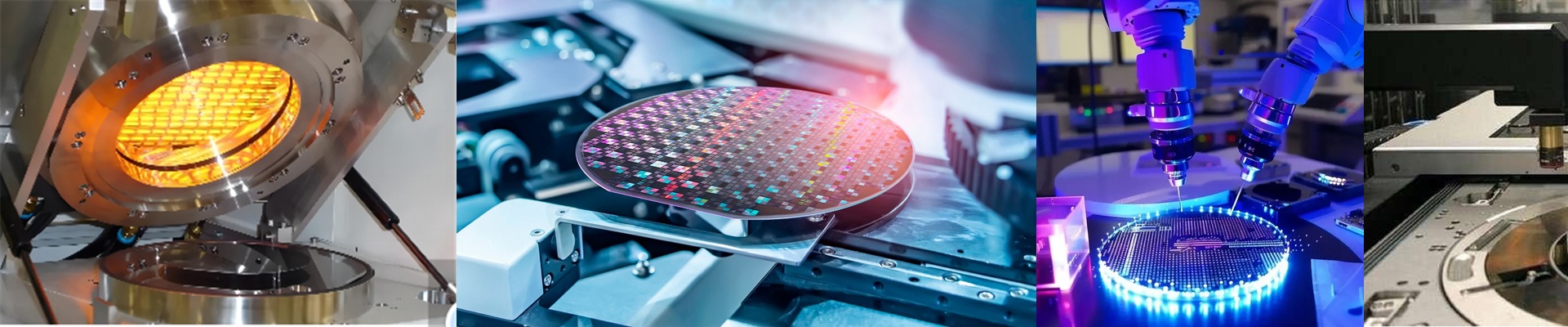
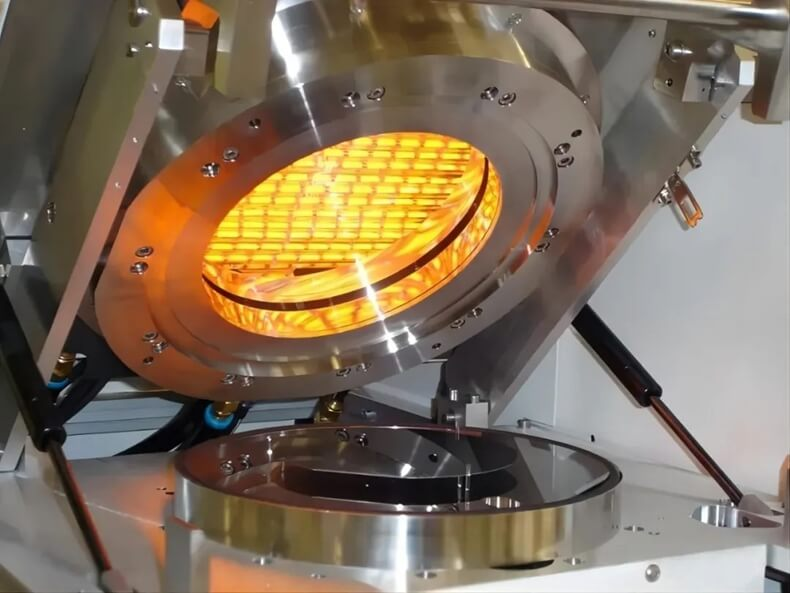
If you’re planning a smart Fab, you’ve probably realized that the old way of doing things—basically just blowing hot air around—doesn’t really cut it anymore. When you actually look at your energy bills for drying processes, you’ll see a lot of waste. The trick is to stop relying on convection and start using targeted infrared (IR) heating. It’s just a smarter way to put heat exactly where it needs to go. Getting the data right Here’s the thing: you can’t fix what you aren’t tracking. We hook high-efficiency IR emitters straight into the PLC systems using PID controllers. This lets us watch the power draw and surface temps in real-time. Instead of crossing your fingers and hoping the wafer or substrate is dry, the thermal sensors just tell you. You can tweak the wattage on the fly. No more guessing. The actual physics (simplified) IR works through radiation. It doesn’t need air to move the heat. That means you can ditch those massive, noisy blowers and the endless ductwork. Your floor plan opens up. But you have to be careful with the wavelength. Short-wave IR digs deep into the material, while medium-wave stays on the surface. If you pick the wrong one, you’re basically paying to heat up your chamber walls while your product stays cold. That’s a waste of money. The trade-offs you should know about High-density IR arrays are fast. Like, really fast. They hit target temps in seconds. But that speed comes with a catch. Your electrical setup has to be ready for those initial current spikes during start-up. It’s a heavy load. Also, a pro tip: give your lamp housings their own cooling. You don’t want “heat creep” drifting over and frying the sensitive electronics nearby. The best part? IR lets you build a modular system. As your Fab grows, you just add more heating zones. You don’t have to tear everything apart and redesign your thermal layout from scratch.