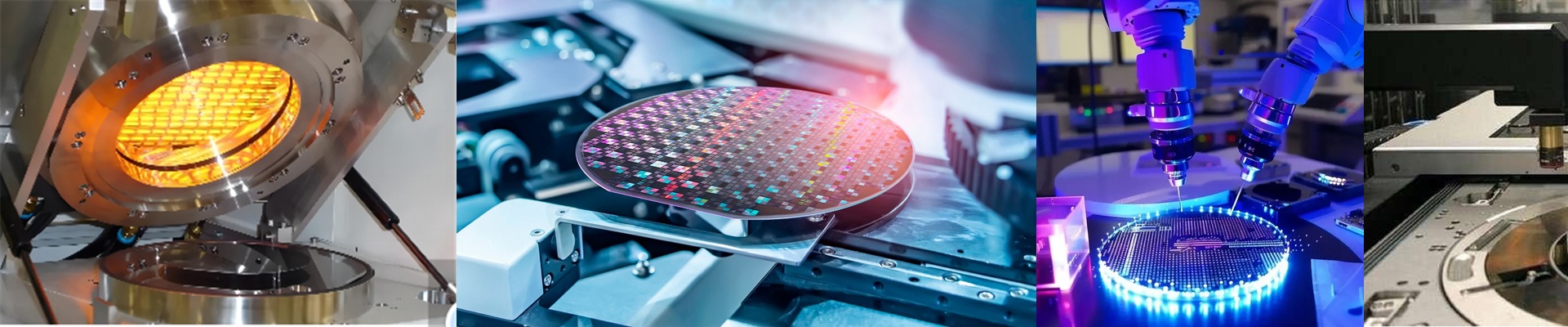
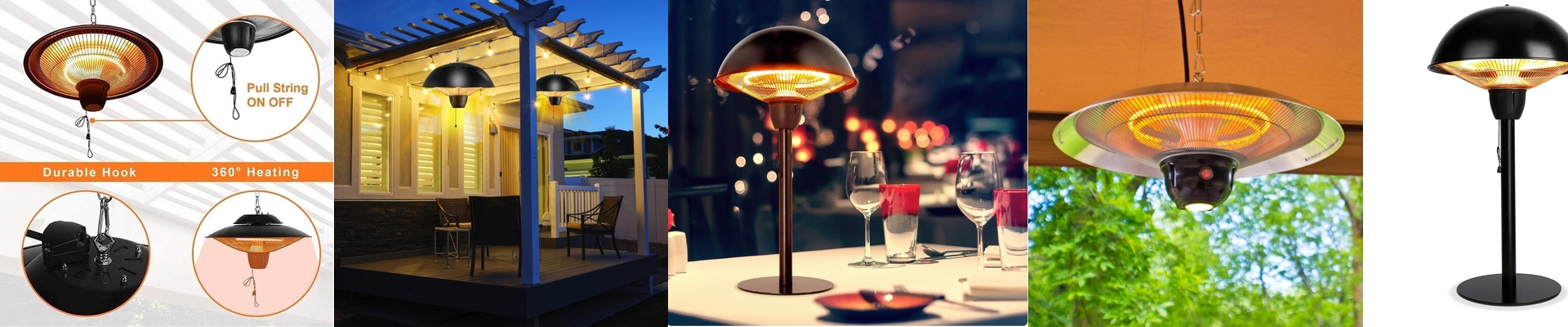
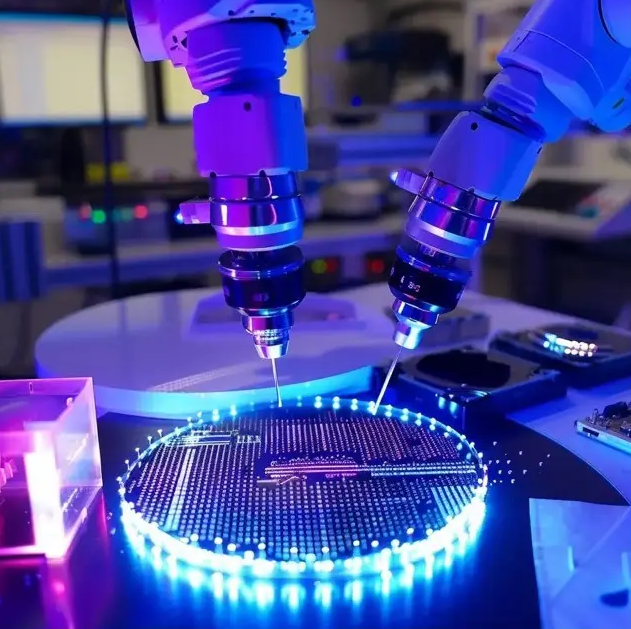
Out on the fab floor, a single water mark is enough to kill a wafer. Standard drying leaves thermal gradients, and those gradients trap moisture. That means photoresist adhesion fails and yield takes a hit. We built the Halogen IR emitter to take that variability off the table. What actually matters under the hood The emitter leans on short-wave halogen quartz lamps, delivering fast, line-of-sight IR. Across the heated zone, we hold temperature uniformity within ±0.1°C, so every die gets the same thermal budget. Filament geometry and the reflector are tuned for repeatability in soft bake and hard bake, keeping critical photoresist profiles stable, run after run. Cleanroom fit is baked in: low outgassing materials, sealed terminations, and a surface finish that keeps particle generation at zero. The system runs 24/7 with stable output, and lamp life supports 5,000+ hours with minimal output drift. Why this approach fits the process Wafer drying isn’t just about heat. It’s about managing the interface between water, film, and pattern. The IR profile dries the wafer quickly without overshoot, so the photoresist stays in spec. You get faster cycle times without giving up line control, and the process window tightens—fewer reworks, fewer scrap lots. Direct IR coupling cuts energy draw, and because the profile is repeatable, you spend less time tuning and more time shipping. A few practical notes The emitter works best with direct line-of-sight to the wafer, and it needs precise optical alignment. Intensity drops with distance squared, so the working gap has to be fixed and calibrated. You’re looking at higher peak power density than convection, so pair it with a thermally stable stage to avoid local hot spots. Integration is straightforward, but the lamp head’s thermal mass means you need to pay attention to cooldown sequencing in the tool.