Making Heat Work for You in a Smart Fab
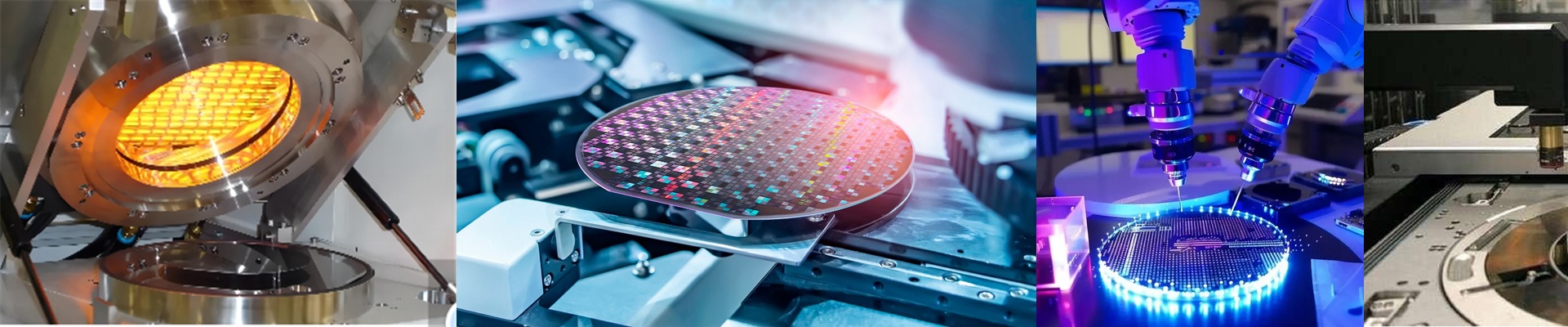
If you’re moving toward a smart fab, you’ve probably realized that the way we used to handle heat just doesn’t cut it anymore. Old-school convection ovens are slow. They take forever to warm up, and trying to track them digitally is a total headache. That’s why we’ve leaned into infrared (IR) systems. Instead of heating the whole room, IR puts the energy exactly where it needs to go. It fits right into a digital workflow without the lag. Heat that actually listens to you In a smart fab, you can’t just set a dial and walk away. You need to know what’s happening right now. Since IR uses radiation, you can tweak the power levels instantly through your PLC. You aren’t waiting around for a giant chamber to soak in heat. You can time the heat cycle to the exact millisecond a wafer hits the sensor. If you’re building a digital twin, this is the way to go—the response time is incredibly fast, which makes your feedback loop actually work. Saving space (and your HVAC) IR lamps don’t take up nearly as much room as those bulky forced-air systems. You can wire them into zoned arrays, which means your Clean room equipment stays compact. We usually stick with shortwave and medium-wave emitters. Why? Because they push the heat into the material itself rather than just warming up the air around it. Your HVAC system will thank you for not adding extra load to the room. The reality check Now, it’s not all magic. There are some trade-offs. High-density IR arrays pull a lot of power. You can’t just plug these into an old electrical panel and hope for the best; you’ll need dedicated high-current circuits and solid PID controllers so you don’t overshoot your temperature. And be careful. If a cooling fan dies or a sensor lags, IR can create hotspots fast enough to ruin a whole batch. You’ve got to spec a cooling system that can handle the heat bouncing back off the chassis. Otherwise, you’re just frying your own electronics.