Introduction
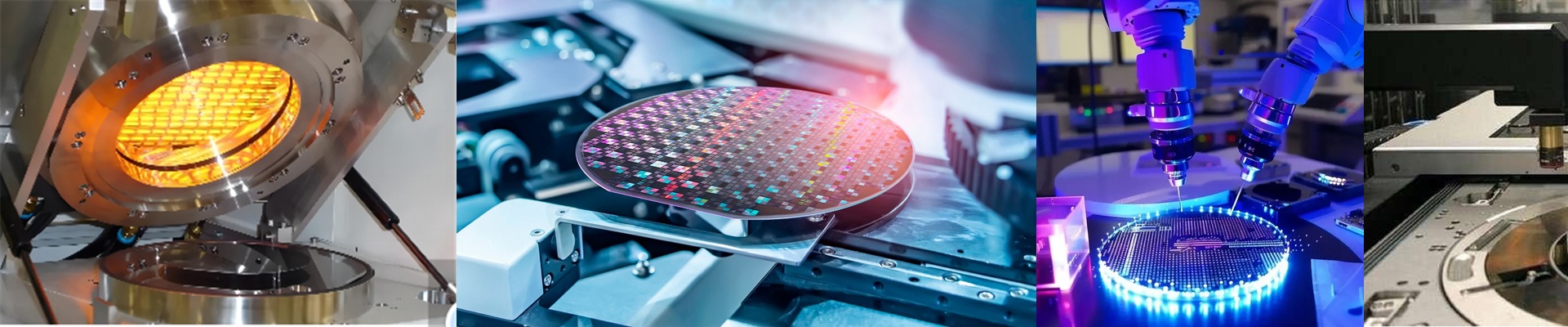
We built this replacement filament to do one thing really well: match the performance of the top U.S. and Japanese brands you already trust. The whole point? Give you rock-solid consistency on the line, and a straightforward way to lower your cost per unit. This isn’t a “good enough” compromise. It’s a direct, drop-in fit—made to run in the same footprint and deliver the same heat output—so you can swap lamps without re-validating the whole process.
Technical Deep-Dive: Power, Voltage, and Geometry
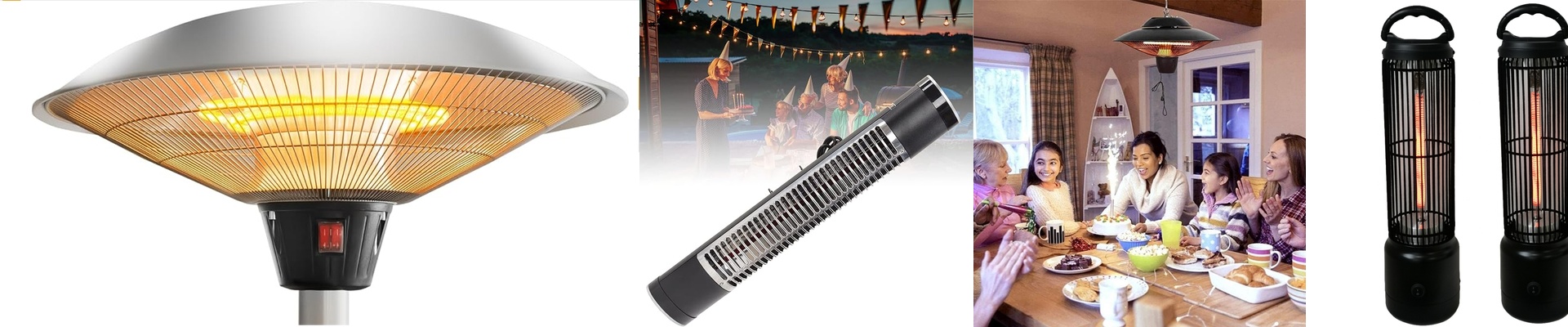
Fab lamps are picky. The tools demand a precise heat profile, every single time. So we match the wattage and voltage exactly, which means the lamp fires up fast, holds steady, and avoids those nasty current spikes that trip protection or strain the power supply. Then there’s the geometry. Length. Tube diameter. We hold those to tight tolerances so the filament sits right in the reflector path. If it’s off even a little, you get uneven heating and hot spots. Our manufacturing keeps the physical dimensions consistent, so performance stays consistent—cycle after cycle.
Material & Design: Halogen, Coating, and R7s Connector
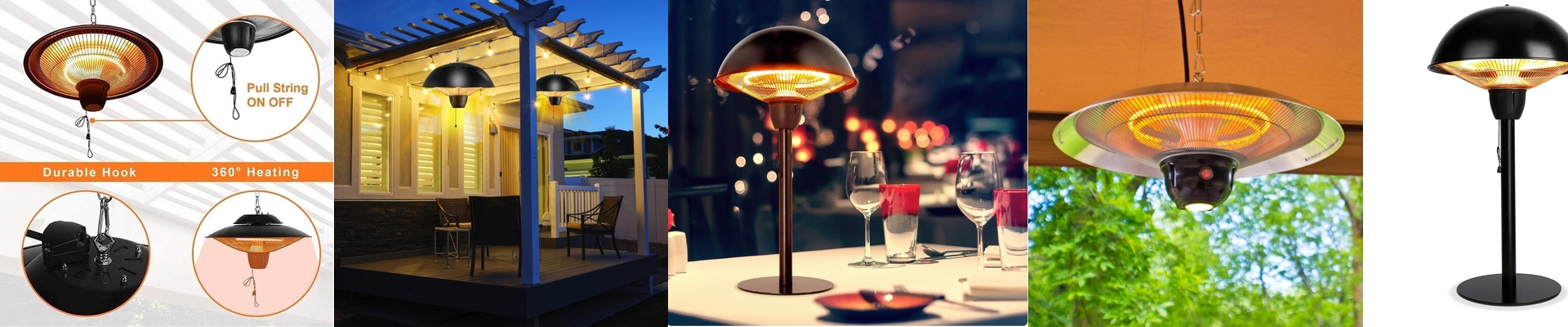
Inside, it’s halogen technology in a quartz envelope. Halogen keeps things stable at high temps, which fights blackening and helps the output stay strong over time. The quartz is chosen specifically to handle thermal shock—because rapid heating and cooling is just part of the job. We also added a specialized coating to protect against contamination and keep output steady. And the R7s connector? It gives you solid mechanical grip and reliable electrical contact. Less arcing, less resistance drift, and installation that feels straightforward. That combination is what keeps the lamp consistent and helps you avoid unplanned downtime.
Application & Benefits: Quality Consistency, Cost Control
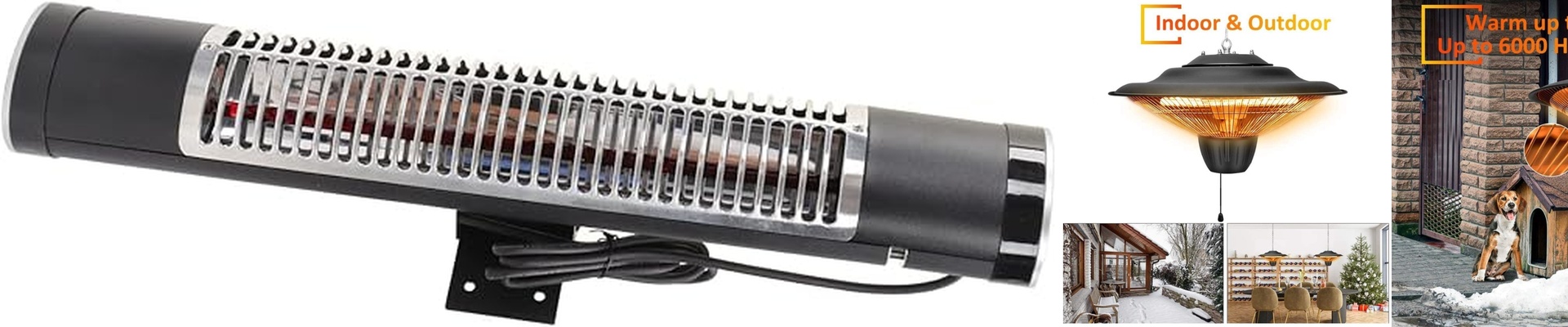
On the shop floor, you need two things: heat you can count on, and maintenance you can plan. This filament delivers stable temperature control, which supports consistent throughput and cuts scrap caused by thermal drift. At the same time, we keep costs in check by standardizing materials, tightening process controls, and removing unnecessary variability in the supply chain. Here’s the trade-off: the higher heat density that enables fast ramp-up means your machine’s cooling and ventilation need to be properly spec’d. Run it within those limits, and you get a replacement that meets top-tier standards—while lowering your cost per replacement cycle.