Cutting Through the Cost Barrier in High-End Semiconductor Spares
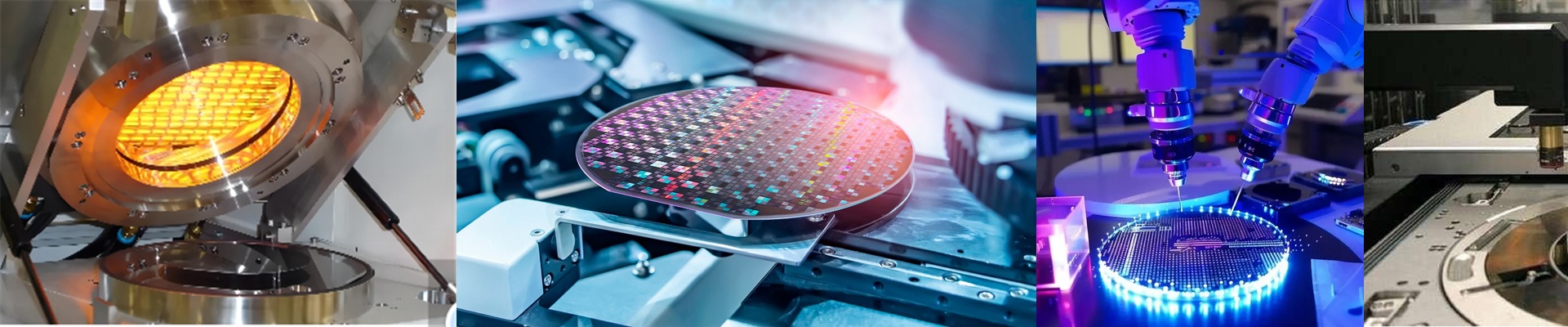
We get it. That imported vacuum oven heating element? It hits your budget hard, and the wait time can wreck your production plans. So the real question on the shop floor is simple: can a domestic infrared heating lamp really step in and do the job? The answer is yes—if you match the physics to the task. We built this element to meet the exact thermal demands of vacuum environments, so you don’t have to rework your machine.
The Power Profile, Without the Guesswork
At the heart of it is a 400V, 2500W setup. That’s not random. Vacuum ovens need high heat density to fight the poor heat transfer in a low-pressure space. The 300mm tube length concentrates that wattage into a compact footprint, so the target heats fast and even. But here’s the catch: that power density is a double-edged sword. It gives you the punch you need, but it also means your cooling system has to be up to the job. You get the heat—just make sure you can keep the temperature in balance.
Built for the Vacuum Chamber, Not Just the Spec Sheet
We went with a shortwave infrared halogen design, sealed inside a high-purity quartz tube. Quartz matters because it holds up under rapid heating and cooling, and it transmits infrared energy cleanly. The coating is made for vacuum use, so it won’t outgas and risk contaminating the chamber. And the R7s connector? That was a deliberate call. It gives you a secure, high-temperature-rated connection—mechanical and electrical—so the lamp wires up exactly like the original. No rewiring. No custom brackets. Just plug and play.
From the Engineer’s View: Heat That Works, Without the Headache
In semiconductor manufacturing, you need heat that’s precise, dependable, and completely clean. This element delivers on all three. The infrared spectrum hits the load directly, which means less wasted energy and less extra heat on the oven walls. For you, that translates into less downtime. “Non-destructive installation” isn’t marketing speak—it means you can swap the lamp in under an hour without touching the chamber. We designed it to take the thermal stress of the vacuum oven, cycle after cycle, so you can keep the line moving—without paying the premium for imported spares.