Stop Worrying About Lamp Failures During Wafer Curing
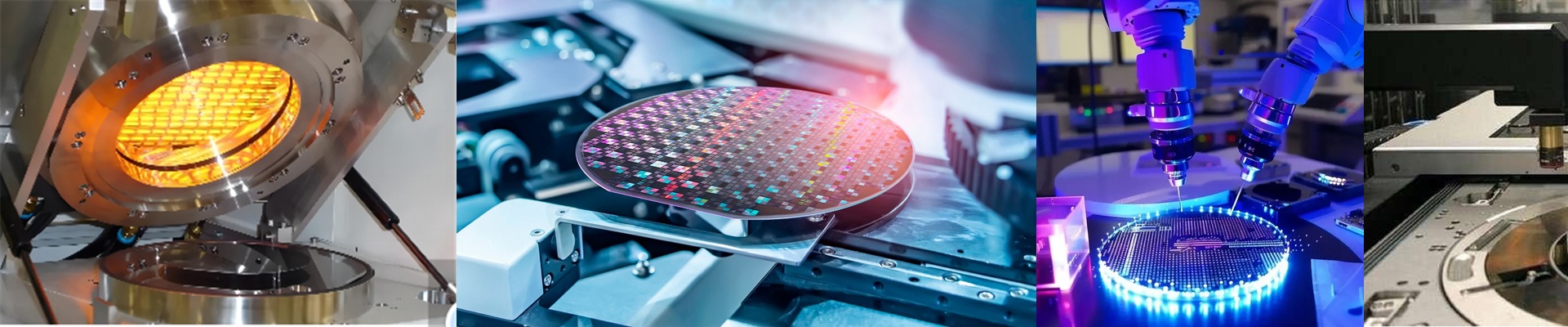
In a high-pressure fab, a lamp failing is a nightmare. It’s not just about the downtime. If an infrared tube pops while it’s over a wafer, you’ve got glass shards and chemical gunk everywhere. One bad break can wipe out an entire batch. We built our IR curing lamps to make sure that doesn’t happen.
Keeping the Glass Where It Belongs
We start with high-purity fused quartz. It’s tough. It handles the shock of heating up and cooling down way better than the cheap stuff. But we didn’t stop there. We add a protective sleeve or a special coating around the tube. Think of it as a safety net. If the filament fails and the tube bursts, the fragments stay trapped inside the sleeve instead of raining down on your wafers. Then there’s the tungsten issue. If tungsten builds up on the walls, you get hot spots. Those hot spots create stress, and stress leads to cracks. We’ve tuned the internal halogen cycle to keep things balanced. The heat stays even across the whole tube, so it doesn’t just snap under pressure.
Power, Heat, and the Real World
Voltage spikes are the silent killer in most fab lines. They fry lamps prematurely. We’ve tightened the specs on our voltage tolerances and made sure our connectors are snug. No loose fits, no contact resistance, and no overheating at the seals. Now, here is the trade-off: high heat density is great, but it’s demanding. If you run these at max wattage, your cooling manifold has to keep up. If your airflow is sluggish, the housing gets too hot and your electronics will wear out faster. Just keep an eye on your fans.
Getting Them Into Your Line
We made these “drop-in” ready. The footprint matches the standard curing racks you’re already using, so you won’t have to spend your weekend rewiring the whole system. By focusing on the actual chemistry of the quartz and the physical containment, we’ve basically taken the “panic” out of a lamp failure. You can just get back to work.