Why Fabs are Ditching the Big Ovens for IR Curing
Let’s be honest: those old-school convection ovens are a bit of a nightmare. They’re huge, they’re slow, and they basically just heat up a giant box of air. With the push for “green” manufacturing and lead-free requirements, a lot of us are moving toward infrared (IR) curing. It’s a different way of thinking about heat.
Cutting out the middleman
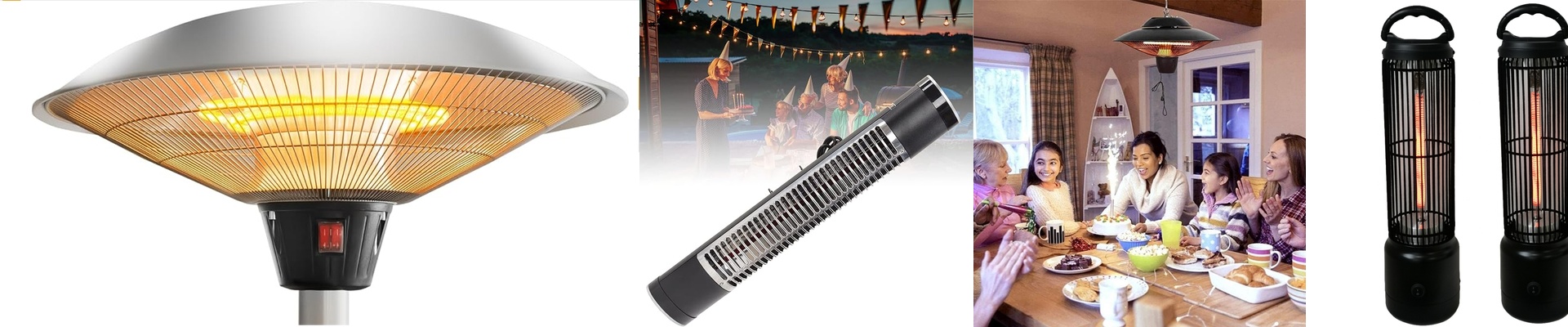
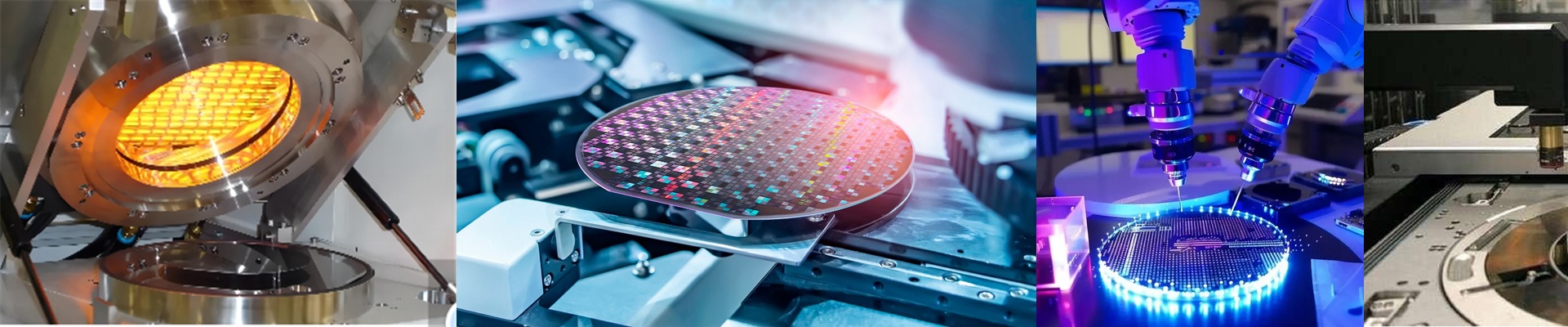
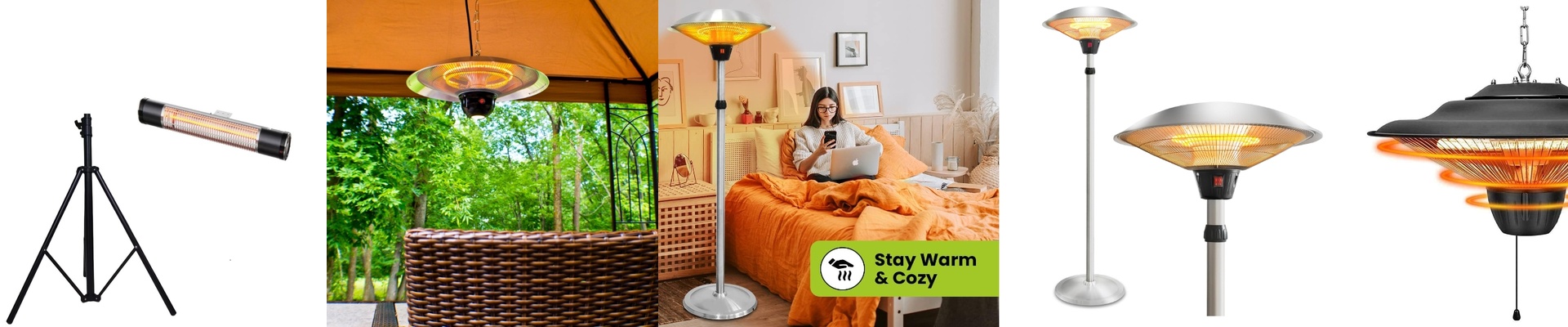
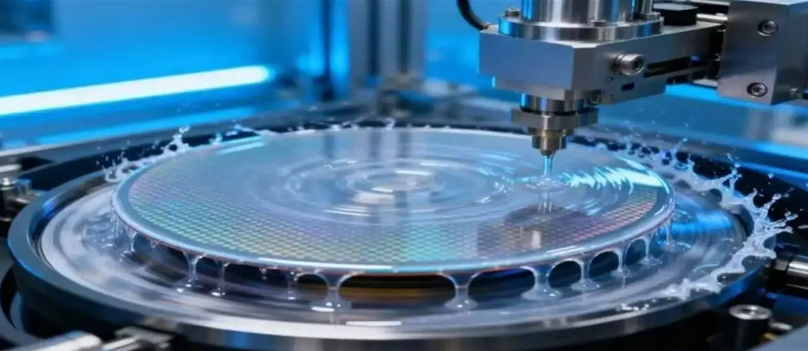
Think about how a convection oven works. You heat the air, and the air heats the wafer. It’s inefficient. Plus, moving all that hot air around in a cleanroom is just asking for trouble with particles. IR is different. It’s like stepping into the sun. The energy travels in a straight line and hits the substrate directly. No massive chambers, no waiting around for the air to warm up. It just happens.Fast. And since lead-free solders and polymers are a bit finicky, you can’t just blast them with heat and hope for the best. If you overshoot, you’ve just fried a chip. With IR, we can actually tune the wavelength—shortwave or medium-wave—to hit the exact sweet spot for whatever coating you’re using. No more “over-baking” your parts.
Saving some money (and the planet)
Here is the best part: IR lamps hit their operating temp in seconds. You don’t have to leave a massive oven idling for hours just to keep it ready. That means your power bill drops, and your HVAC system doesn’t have to work overtime to fight all that wasted heat. It’s a much cleaner way to run a shop.
The catch (because there’s always one)
Now, it’s not all magic. High-intensity IR puts a lot of heat into a small area very quickly. That’s great for speed, but it’s tough on your wafer handling gear. If you don’t get that wafer cooled down quickly after it leaves the IR bank, it’ll warp. It’s a real headache to fix once it happens. My advice? Don’t skip the cooling stage. Throw in a forced-air cooling zone immediately after the heating. It stabilizes the part and keeps everything flat. Simple as that.