Stop Waiting on Your Clean Room Trolleys to Heat Up
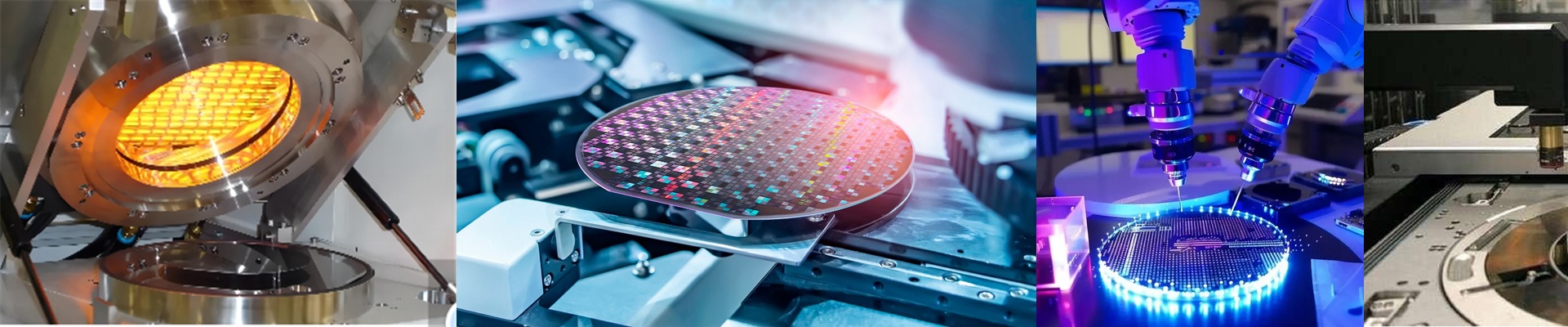
If you’ve spent any time in semiconductor deep processing, you know the frustration of the “waiting game.” You’ve got wafers or carriers that need to hit a specific temperature before they move to the next step, but the transport is where everything slows down. Most shops I visit are still using hot air circulation. It’s the old way of doing things. But here’s the problem: forced air is just slow. You’re basically waiting for the air to get hot, then waiting for that air to soak into the load. It wastes minutes you don’t have. Enter Infrared. IR heating doesn’t bother with the air. It sends energy straight to the surface of the target. Imagine the difference between trying to warm your hands by standing in a warm room versus holding them right in front of a campfire. That’s what happens on a clean room trolley. The heat hits the carrier almost instantly. You aren’t wasting energy heating the entire room just to warm a few wafers. If your process needs a 100°C soak, IR gets you there in seconds. It turns a boring waiting period into a quick trigger. How we actually build this To make this work, we tuck shortwave or medium-wave IR emitters right into the trolley frame. We keep the power density high so the whole setup doesn’t take up too much space. One thing to watch out for: IR reacts fast. Really fast. Because of that, you need a tight PID control loop and sensors placed very close to the load. If you don’t, you’ll overshoot your target temperature before the system even realizes it’s too hot. For the hardware, we stick with quartz-encased elements. They’re perfect for clean rooms because they don’t shed particles or leak gases into your environment. The catch Now, IR isn’t a magic fix for everything. It only works in a straight line. If your trolley is packed deep with carriers, the ones in the front are going to get blasted while the ones in the middle stay chilly. You can’t just swap a fan for a lamp and call it a day. You have to be smart about where the lamps go. Sometimes that means using reflective backing to bounce the heat into those dead zones. Otherwise, you’ll end up with a batch where some wafers are perfect and others are barely warm.