Why we use gold-coated IR lamps for lead-free semiconductors
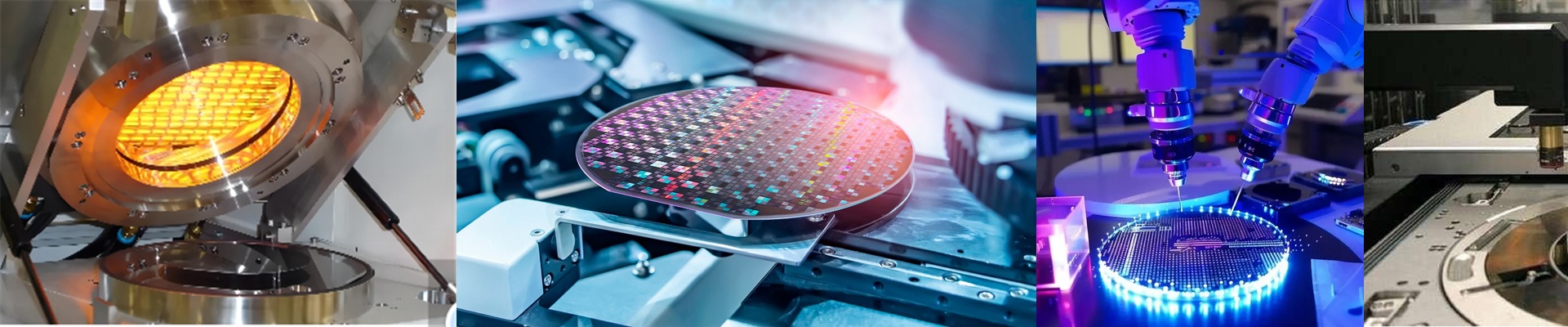
The semiconductor world is pushing hard toward “green” and lead-free standards. That sounds great on paper, but it creates a real headache in the fab. Old-school convection ovens are just… sluggish. They waste a ton of energy trying to heat up the air and the walls of the chamber before they even touch the product. That’s why we switched to gold-coated infrared (IR) lamps. Instead of waiting for the air to get hot, we just beam the heat directly where it needs to go. The magic of the gold coating Standard quartz lamps throw out a broad spectrum of IR. The problem is, you don’t want to cook your housing or overheat the substrate—you just want the target hot. By adding a thin layer of gold to the quartz, we create a selective filter. It basically tells the long-wave radiation to bounce back into the filament and lets the short-wave IR fly right through. The result? The energy hits the solder paste or photoresist instantly. No waiting. No wasting time warming up the room. It’s a much tighter thermal footprint and a way faster ramp-up. Saving energy (and your sanity) Here’s the thing: lead-free solders need higher temperatures to reflow than the old leaded stuff. If you stick with traditional heating elements, your electricity bills will skyrocket and your cycle times will crawl. It’s frustrating. Gold-coated IR lamps fix this. Because the heat transfer is direct, you’re using fewer kilowatt-hours per wafer. Plus, there are no weird chemical catalysts or combustion gases to deal with. It’s just clean, simple electricity. A few things to watch out for Now, it’s not all magic. You get massive heat density, but that comes with a trade-off. The gold coating makes the tube itself get incredibly hot. If you skim on your cooling fans or heat sinks, you’re asking for trouble. You could warp the housing or fry your sensors before you even realize there’s a problem. One more tip: keep an eye on your power supply. Voltage spikes are killers for these filaments. And make sure your controllers are tuned for the speed of IR. If they’re too slow to react, you’ll overshoot your target temp and end up with a pile of ruined chips.