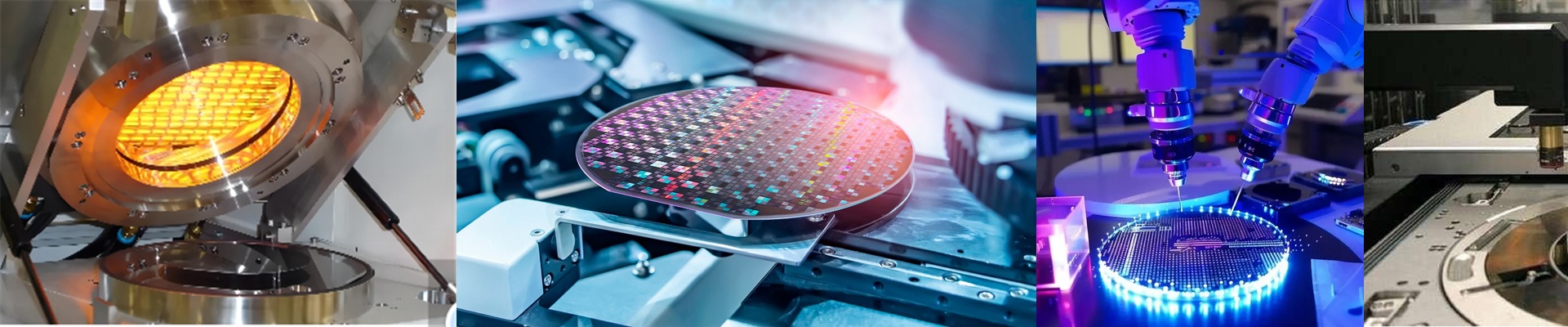
On the lithography floor, a 0.1°C drift while heating the interposer is enough to wreck critical dimension control and throw photoresist away for nothing. More power isn’t the answer. What you need is heat you can steer, and depend on, run after run.
What matters under the hood
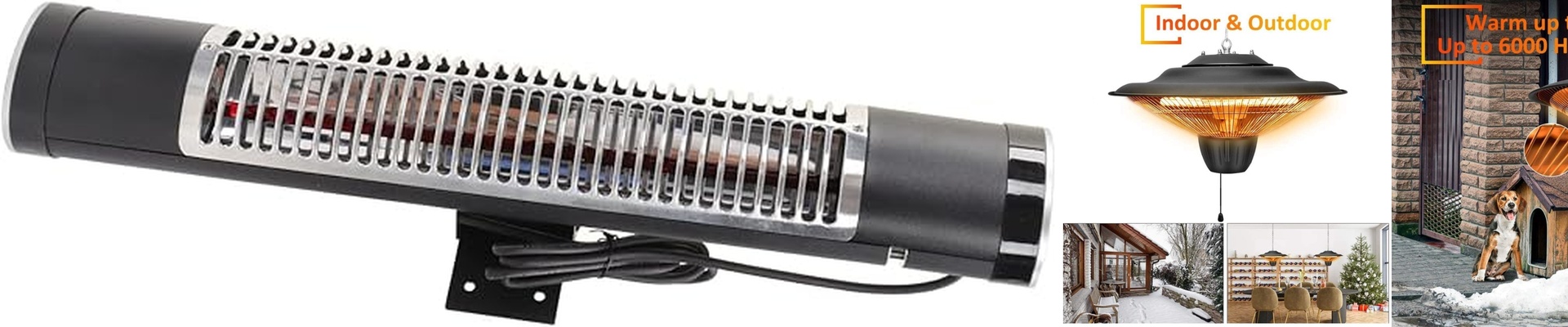
We built the interposer heating infrared lamp around short-wave NIR emitters in a quartz envelope, tuned for clean, fast energy transfer. Peak power is matched to the tool envelope, with a fast-rise response and closed-loop temperature stability to ±0.1°C across the interposer surface. The design keeps thermal lag low, so setpoint changes track without overshoot.Uniformity gets mapped and compensated, not guessed at.
Why this plays in wafer-level processing
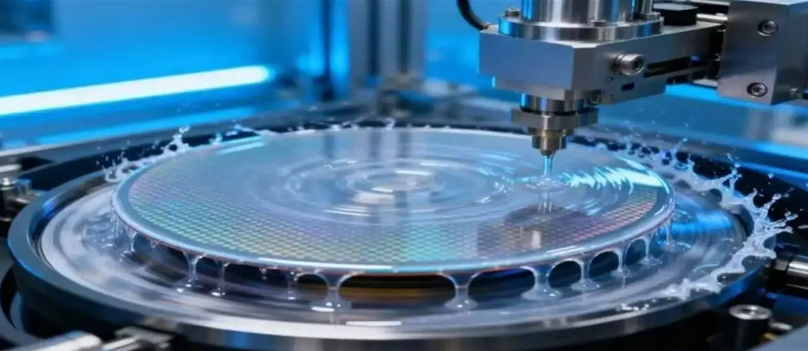
The bake window is tight. This lamp holds photoresist soft bake and hard bake profiles with repeatability that survives the shift-to-shift handoff. Cleanroom Class 1–100 compliance is baked into the materials and airflow geometry, so particle counts stay down. Energy use drops because the emitter turns electricity into radiant heat efficiently, and the thermal mass is small, so idle power stays low. Uptime improves because the lamp runs 24/7 on predictable maintenance intervals, not surprise failures.
The practical details you’ll want to get right
Installation comes down to respecting the tool’s thermal budget and the field-of-view. You get maximum performance when the lamp is aligned to the interposer path and paired with the specified sensor and controller. Expect a short commissioning run to tune PID and map emissivity across the substrate. Once calibrated, the process is repeatable. But that initial setup is where you earn the stability you need.