Infrared Halogen Heaters: The Unsung Hero of Sensor Curing
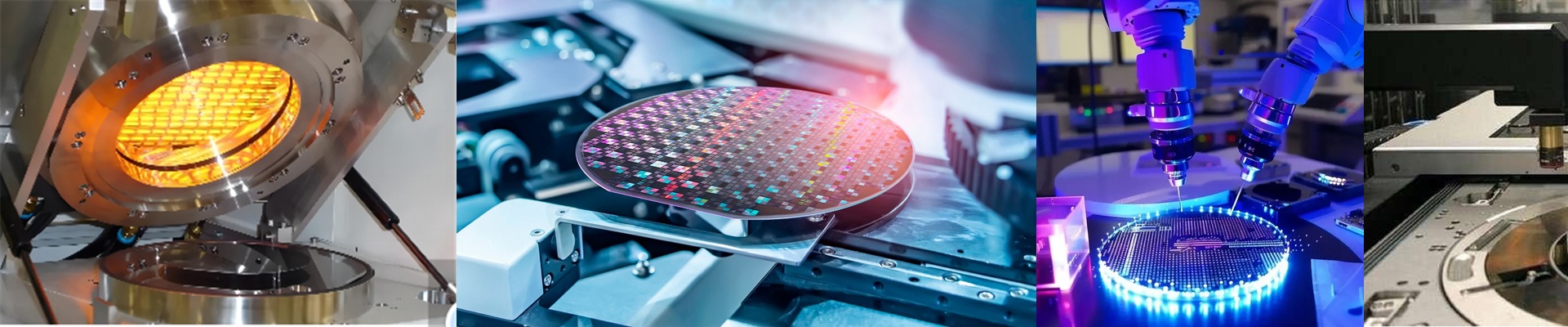
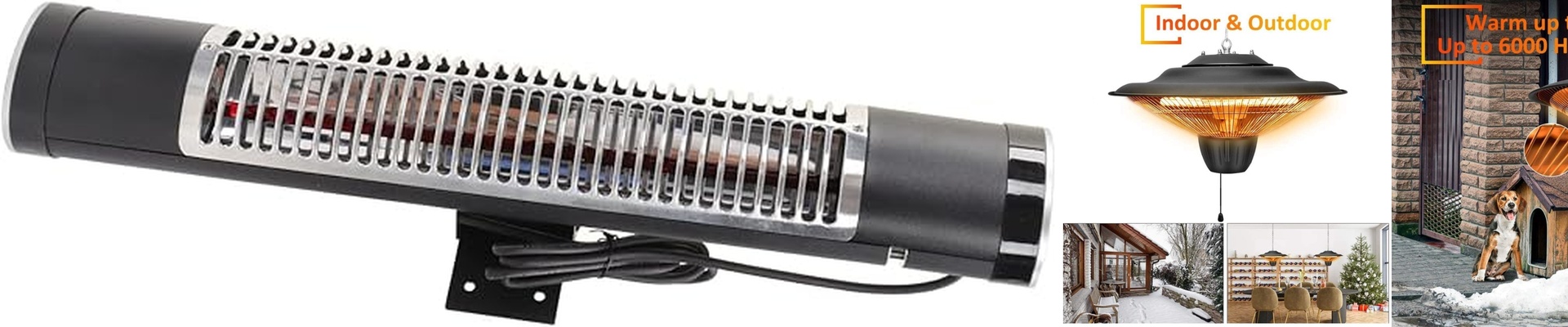
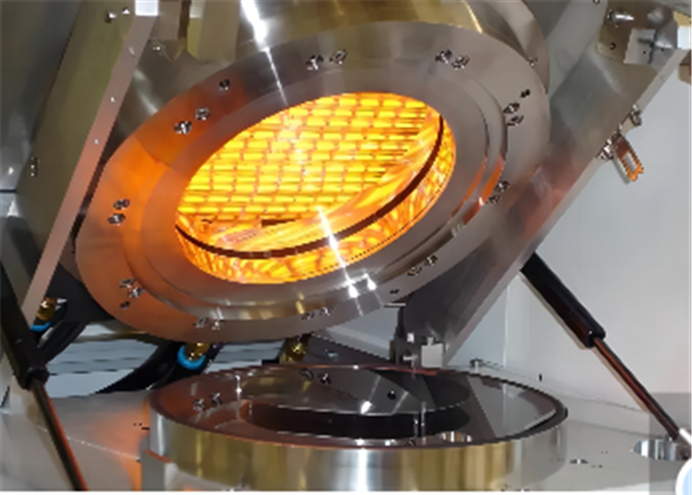
We built our hydrogen sensor fabrication heater around shortwave infrared halogen technology. Why? Because it nails the job of lead-free, eco-friendly drying in semiconductor-grade processes. The whole point is simple: get intense heat right where you need it, fast, without messing up the line.
The Power Behind the Heat
Here’s the thing about these infrared halogen heaters—they deliver energy fast. The filament gets scorching hot, blasting out that shortwave power. For hydrogen sensor work, we set the unit to run at 400V. This lets you pack more wattage into a smaller space and keeps the current draw on the supply manageable. A typical 300mm tube length focuses the heat right on the die or substrate. No wasted energy heating up the fixtures. You get a quick ramp-up and tight control over the temperature. But that power comes with a catch. The system has to be built to handle the heat. The cooling and airflow have to be just right to keep the lamp head and everything around it from overheating.
The Details That Matter
The tube itself is quartz. It can take the thermal shock and lets that infrared energy pass through easily. We also add a reflective coating on the outside. It pushes more energy forward, which helps you get consistent results every single time. And that R7s connector? It’s not just an afterthought. It gives you a stable, low-resistance connection that can handle the constant heating and cooling. Without it, a standard terminal would loosen up. This design means fewer hot spots at the joint, and the lamp can handle repeated on-off cycles without burning out early.
Clean Curing, No Compromises
When you’re making hydrogen sensors, the drying and curing step has to be clean, fast, and repeatable. Infrared halogen heating fits perfectly with the semiconductor industry’s push for lead-free, energy-efficient drying. It cuts out the solvent-heavy methods and saves energy by focusing the heat only on the target. You get a solution that’s easy to wire up, takes up minimal bench space, and keeps the process steady. Yes, the high heat density means you have to manage the heat carefully inside the equipment. But the payoff is worth it: consistent output and sensors that perform the same way, every single time.