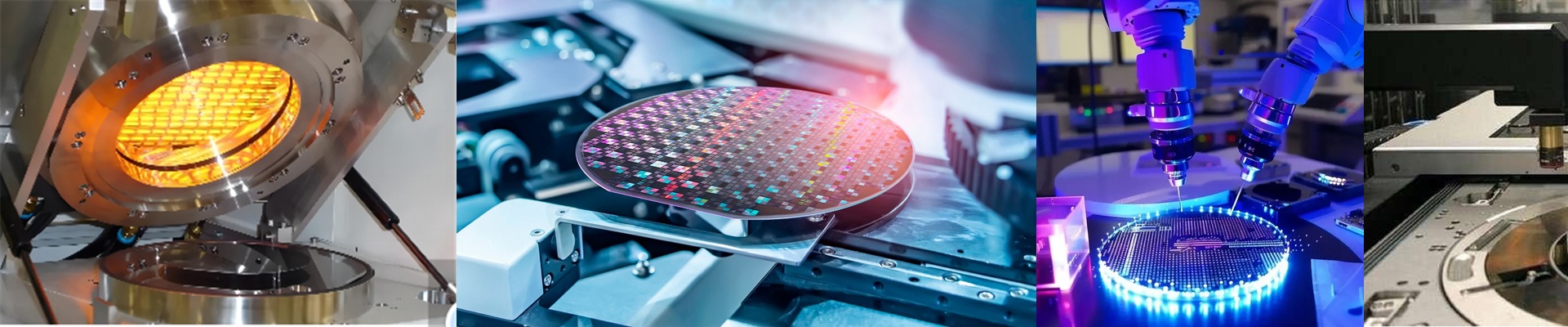
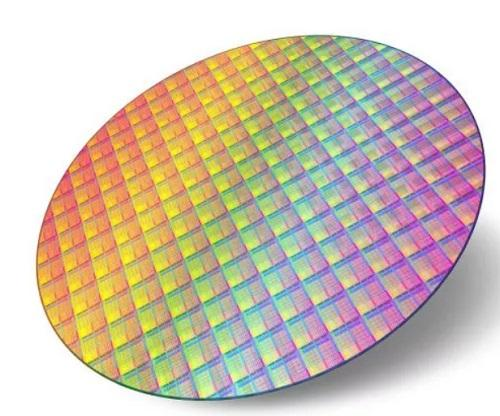
On the fab floor, the bake isn’t just a temperature. It’s the thermal budget that actually writes the pattern. Let a soft bake or hard bake drift by 2°C, and you’re immediately chasing critical dimension control—plus scumming, rework, and yield bleeding out on the line. We built our Industrial wafer heaters around that reality: hold wafer-level thermal uniformity at ±0.1°C, cycle after cycle, across the whole lot. What matters, technically We run short-wave infrared heating with fast response and tight closed-loop control, so we hit repeatable setpoints in seconds. The hot zone is quartz-isolated and engineered to generate zero particles, keeping cleanroom particle counts inside Class 1–100 constraints. Temperature profiles stay consistent run-to-run, so photoresist line-width behavior doesn’t start playing tricks on you. And we match power to the thermal mass of the carrier and wafer stack—no overshoot, no wasted energy. Why it holds up in lithography In lithography, the heater has to keep pace with the track without giving up temperature stability. Our system keeps bake profiles consistent, 24/7, which cuts excursion-related scrap and the unplanned downtime that comes with it. The payoff is higher first-pass yield and fewer retries at the mask level. Maintenance and spares get easier too, because stable thermal cycles mean less thermal stress on hot-zone components. What you need to plan for These heaters integrate with standard semiconductor equipment interfaces, but the thermal profile still depends on the exact carrier, wafer thickness, and process gas ambient. Plan a short qualification run to dial in ramp rates and dwell times for your specific recipe. Once it’s set, you lock it in—because in wafer fabrication, repeatability is yield.