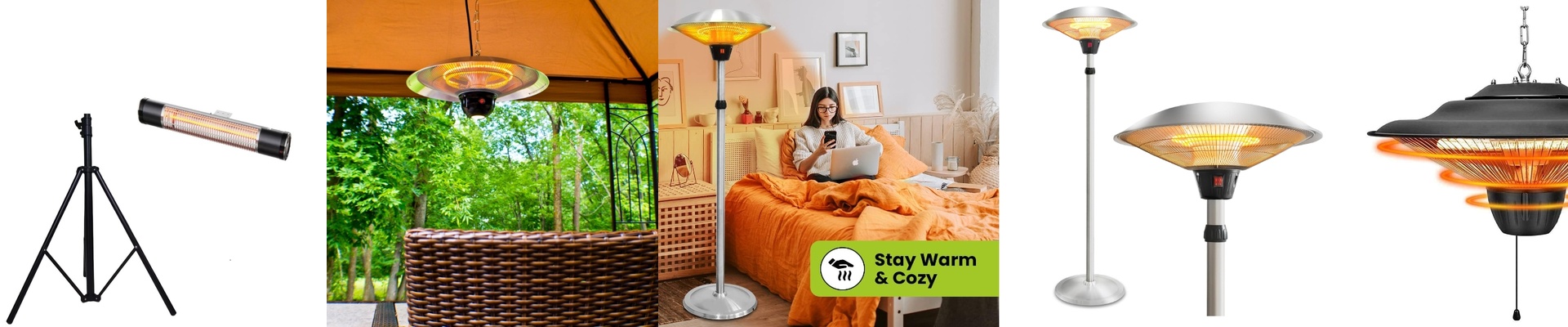
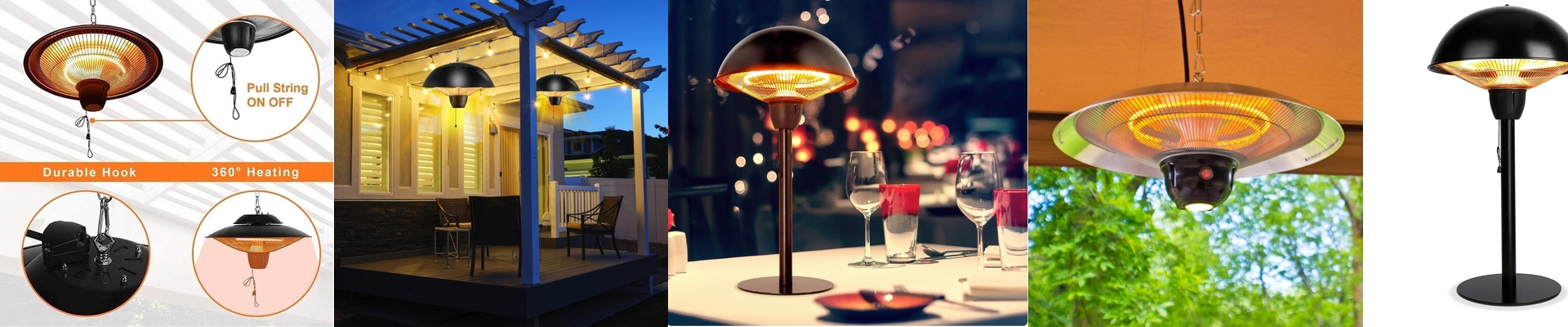
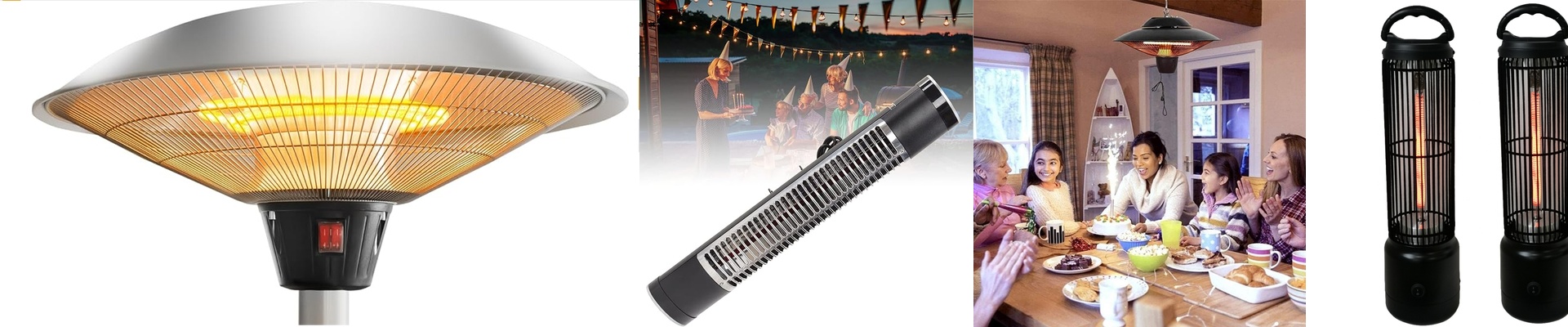
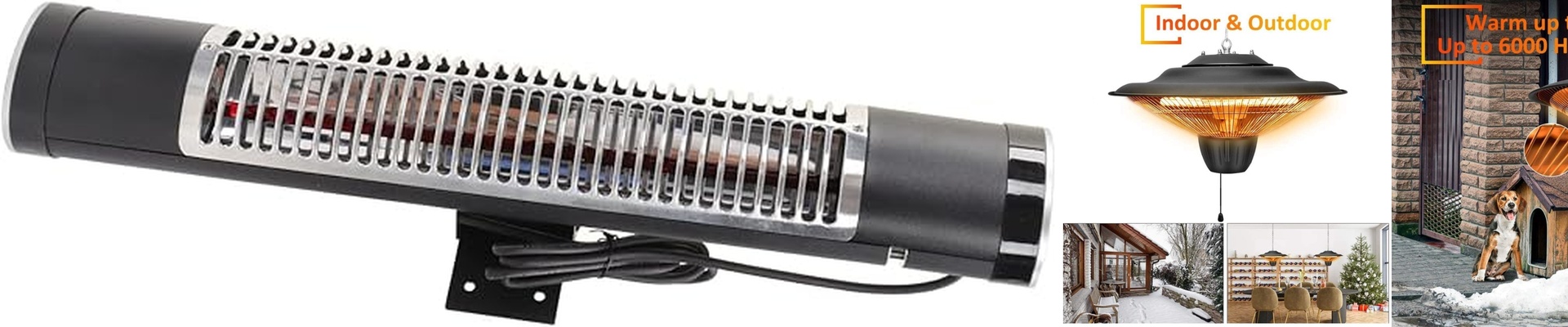


Why Your Outdoor Heaters Keep Shorting Out (And How We Fixed It)
Here is the truth about most IP65 garden heaters: they almost always fail at the same spot. Right where the wire enters the unit. When you put a heater outside, it goes through a brutal cycle. One minute it’s pumping out intense heat, and the next, it’s soaking in rain or morning dew. Most manufacturers just ignore the gap where the wire meets the seal, and that’s where the trouble starts.
The “Baking” Problem
On the cheap units, the wires are basically just shoved through a rubber ring. Simple, right? But over time, the heat from the infrared tube literally bakes the insulation. It gets brittle. It cracks. Once that seal gives way, moisture doesn’t just sit there—it creeps inside the wire. This leads to carbonization, and before you know it, you’ve got a short circuit on your hands. We do things differently. Instead of a basic gasket, we use high-temperature silicone potting and a compression-fit sleeve. It creates a tight, airtight barrier that doesn’t shrink or warp, even when the heater is running at full blast.
The Boring Stuff That Actually Matters
You’ll hear a lot of talk about “safety standards,” but let’s talk about the actual parts. Generic assembly lines use whatever connectors are cheapest. We use fluoropolymer (FEP) or silicone-jacketed cabling. These materials can take the heat without melting or smelling like burning plastic. We also use a multi-stage curing process to make sure the bond between the wire and the housing is absolute. If that seal isn’t perfect, you get “wicking.” That’s when water travels inside the insulation. You won’t see it happening, but your leakage current will spike. Then your GFCI trips, or worse, you get a ground fault.
The Trade-off
Now, there is a catch. Because these seals are so tight, the units are harder to service. If a heating element finally burns out after years of use, you can’t just pull the wire through and swap a part. You have to replace the whole sealed module. It’s a choice. You can have a heater that’s easy to tinker with in the field, or you can have one that won’t blow a fuse the moment a rainstorm hits. We chose the latter. Just a heads-up for your installation team: make sure you use a proper drip loop. If water pools right at the entry point, you’re fighting an uphill battle. Keep the water moving away, and these things will last.