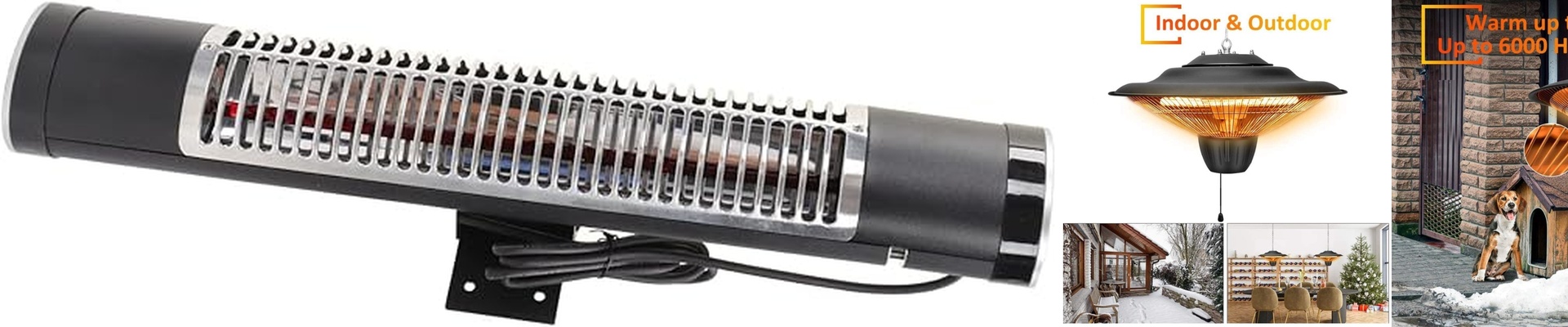

Why Your IR Heaters Keep Shorting Out (and How to Actually Fix It)
Here’s the thing about most infrared heaters: they almost always fail at the same spot. The lead-wire junction. When you’re pushing a heater to its limit, the point where the internal filament meets the external wiring becomes a massive thermal bottleneck. Most cheap assemblies use basic adhesives that just… bake. They get brittle, they crack, and the second that seal gives way, moisture creeps in. Then comes the short circuit. And a very bad day for your equipment.
The real reason seals fail
If you’re working in an IP65 environment, your seal has to survive a brutal cycle of getting scorching hot and then cooling down, over and over again. A lot of “off-the-shelf” replacements use low-grade silicone or epoxy. Over time, these materials basically turn into charcoal. As they shrink and harden, a tiny gap opens up between the quartz tube and the wire. That’s an open invitation for contaminants to hit the live current. We do things differently. We use OEM-grade sealing compounds built for high-wattage density. It’s not just about stopping water; it’s about creating a mechanical anchor that actually insulates the electricity. No “burn outs” like you see with the generic stuff.
It’s all in the process
You can’t just glob some sealant on the end of a tube and call it a day. That’s not how IP65 works. To do it right, you need a vacuum-sealed bond. If you leave even one tiny air pocket, you’ve created a hotspot. And hotspots melt insulation. Simple as that. We put our lead-wires through a multi-stage curing cycle. Why? Because glass and metal expand at different rates when they heat up. If the seal can’t flex with that movement, it just snaps. Our process makes sure the bond breathes.
A couple of things to keep in mind
Full transparency: when you prioritize this kind of sealing quality, the heater footprint gets a little bulkier. Just double-check your housing clearances before you swap in these heavy-duty elements. And one last tip? A great seal stops a short, but it won’t fix bad airflow. If your cabinet is choked and the air can’t move, those lead-wires are going to cook regardless of how good the seal is. Make sure your cooling fans are actually rated for the wattage you’re running.