Stop Heating the Air, Start Heating the Part
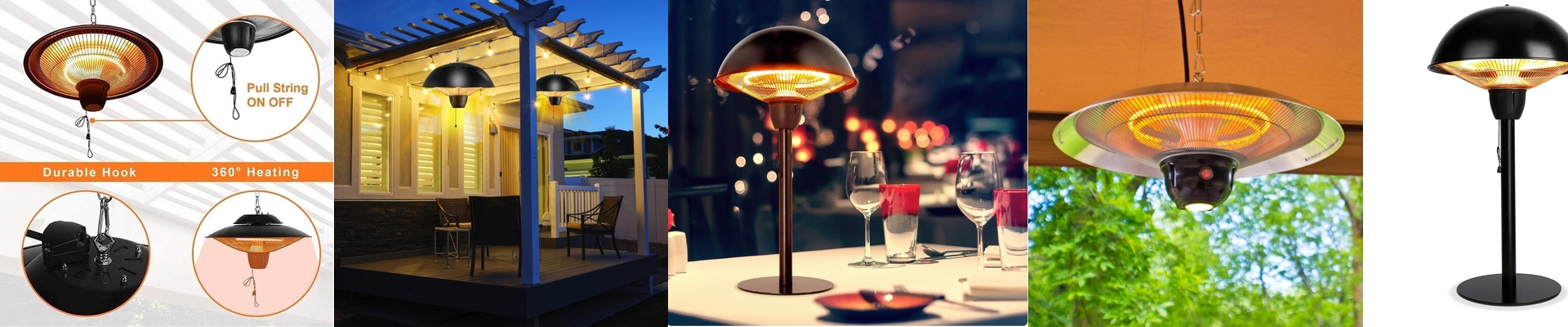
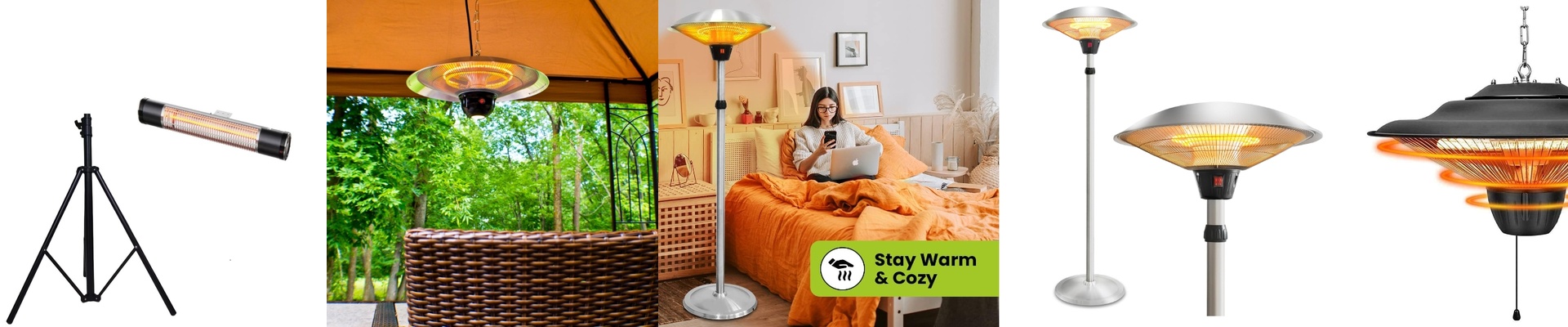
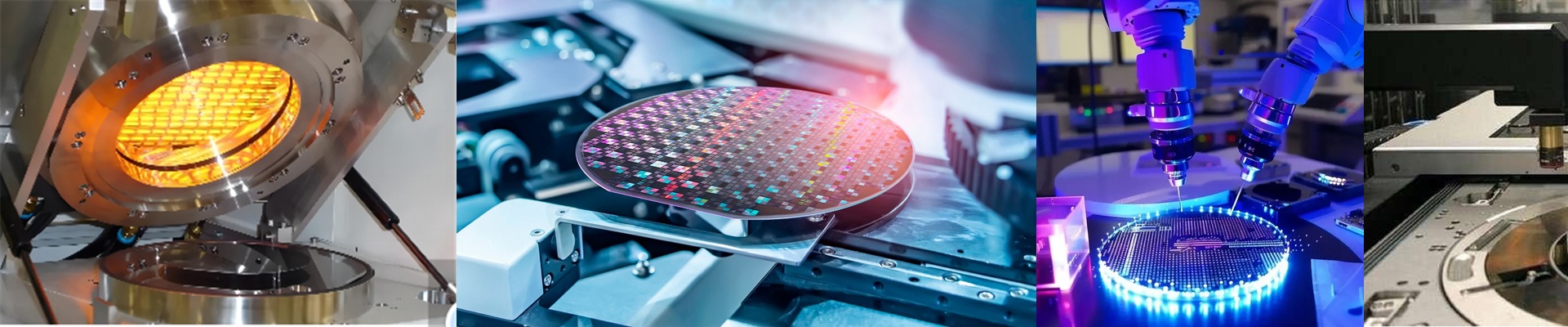
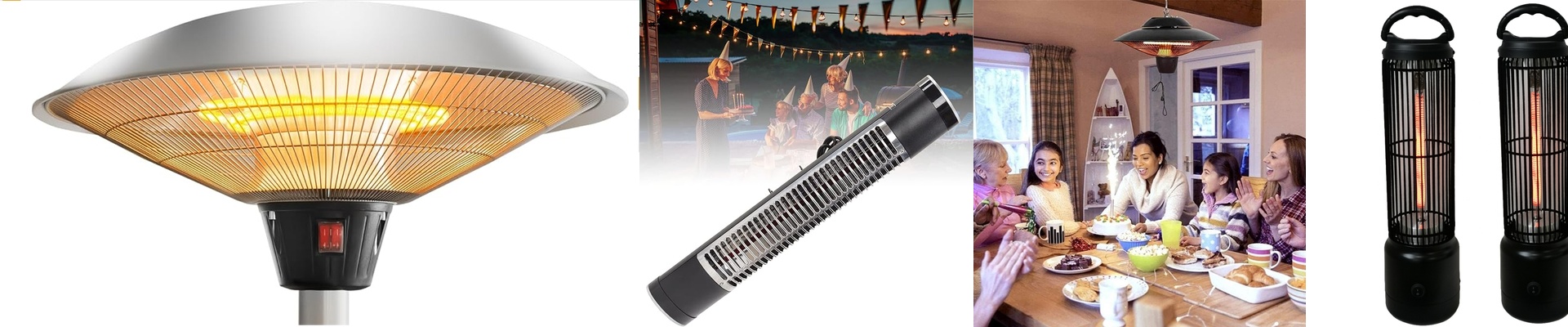
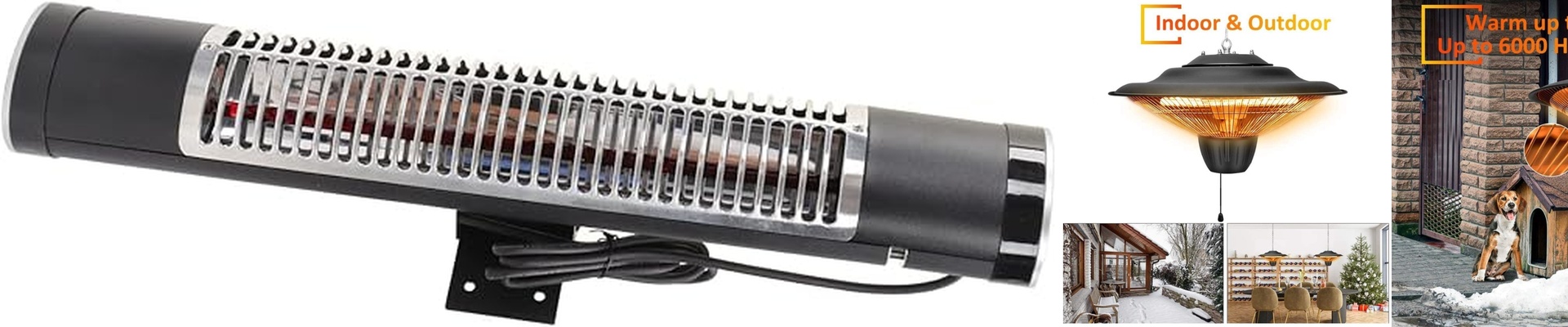
Heating the inside of a glovebox in a semiconductor fab is usually a nightmare. If you use standard convection heaters, you’re basically just warming up the air. That air then hits the walls, and before you know it, the outer chassis is hot enough to burn an operator or fry some sensitive electronics. It’s messy and, frankly, a bit dangerous. We found a better way: directional infrared (IR) technology. How it actually works Think of it like a flashlight, but with heat. Instead of filling the whole box with warm air, IR lamps send electromagnetic radiation in a straight line. The energy ignores the air and goes straight for the target. By getting the focal length and positioning just right, we can make sure the heat hits the workpiece and leaves the glovebox walls alone. The result? Your target gets hot, but the chassis stays cool to the touch. The nuts and bolts We usually go with short-wave quartz elements. Why? Because they react almost instantly. When you wire up a high-wattage IR element, you get an incredible amount of heat packed into a tiny space. But you have to be smart about where you put it. If the lamp is too close to the reflective lining of the box, you might accidentally melt your seals. To stop that from happening, we use a controlled-reflectivity shield. It basically narrows the beam and locks the heat onto the target. Staying safe and keeping it running The best part is that you don’t need thick, bulky insulation on the outside of the machine anymore. This makes the workspace safer and lets you save some floor space. Just a heads-up on maintenance: those quartz tubes are sensitive. If someone touches them with an oily glove or a dirty wipe, you’re asking for trouble. That residue creates a hot spot, and the tube will burn out way faster than it should. To avoid that, stick to a strict cleaning routine or just throw a protective quartz sleeve over the element. It’s a simple fix that saves you a lot of headache down the road.