Why Your Bathroom Needs More Than Just a Little Heat
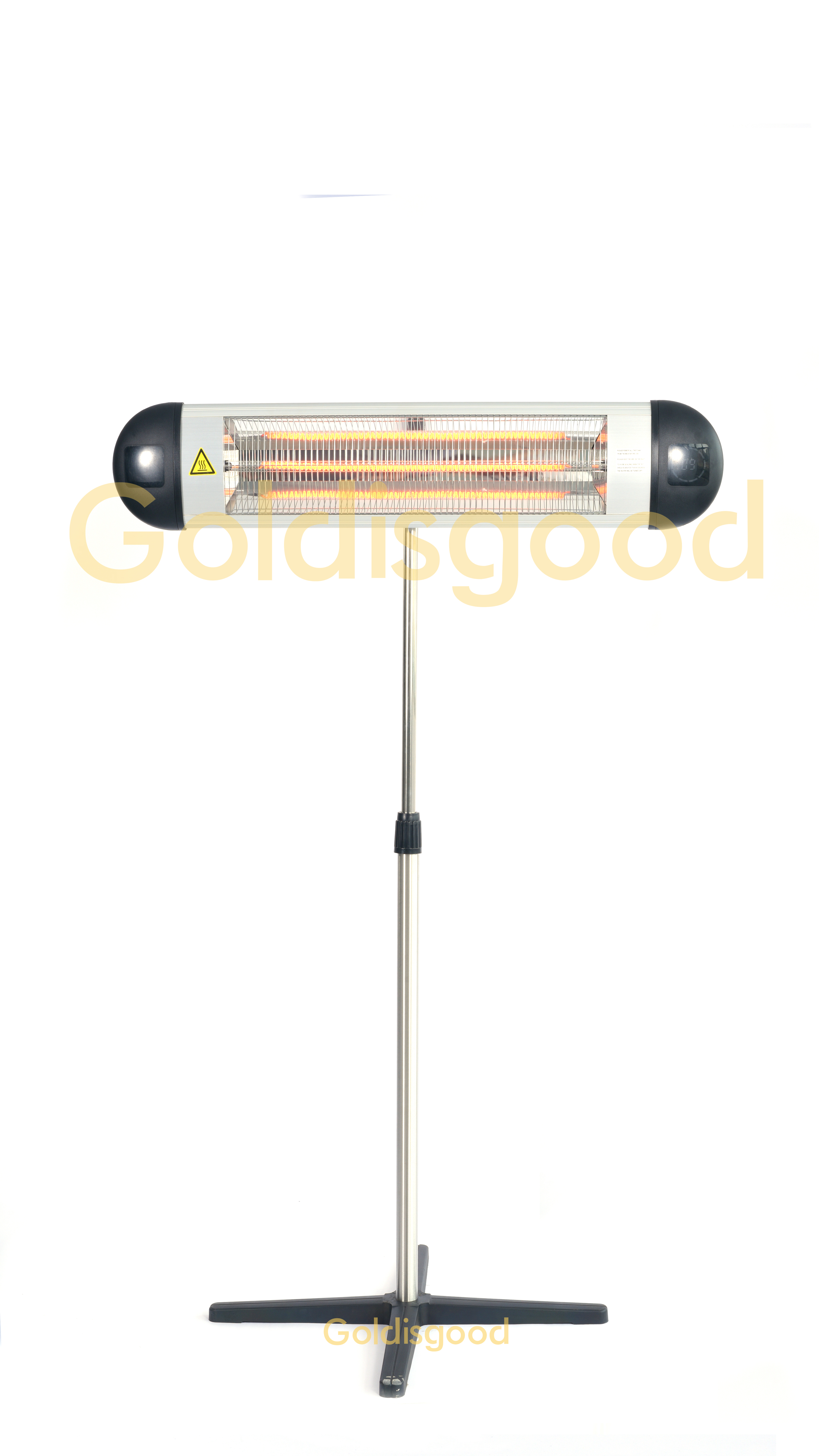
Most of us think of a bathroom heater as something to keep us from shivering while we get dressed. But if you look at it from a technical side, it’s actually more about fighting moisture than just staying warm. That’s where infrared (IR) lamps come in. Instead of just blowing hot air around, they go straight for the surfaces. And that’s the secret to keeping mold out of your house. The trick to drying things out Think about a standard heater. It warms the air, but your walls stay cold. That’s how you get condensation—and mold loves that damp, cold environment. Infrared is different. It skips the air entirely. The waves hit your tiles, your shower curtain, and that annoying grout directly. When those surfaces get warm, the water evaporates way faster. It’s simple: mold can’t grow on a dry, warm wall. It’s basically a hidden dehumidifier Depending on the wavelength of the lamp, the energy actually sinks into the moisture. It doesn’t just dry the surface; it pulls the dampness out of the porous grout and sealants. You aren’t just hiding the chill—you’re actually stripping the water out of the room. The “real world” side of installation Now, you can’t just slap these anywhere. Water and electricity don’t mix, so we use IP-rated housings to make sure steam doesn’t fry the circuits. The wiring has to be tight. The seals have to be perfect. If a leak gets in, cold water hits that hot quartz glass, and—pop—the lamp burns out from the thermal shock. One more thing to watch out for: these things put out a lot of concentrated heat. If you mount one too close to a plastic fixture or some cheap trim, you’re going to warp it. Give it some breathing room. We usually suggest at least 15cm of clearance from anything that could melt or catch fire. Just a little space makes the whole setup safe and effective.