Stop Freezing in the Changing Room
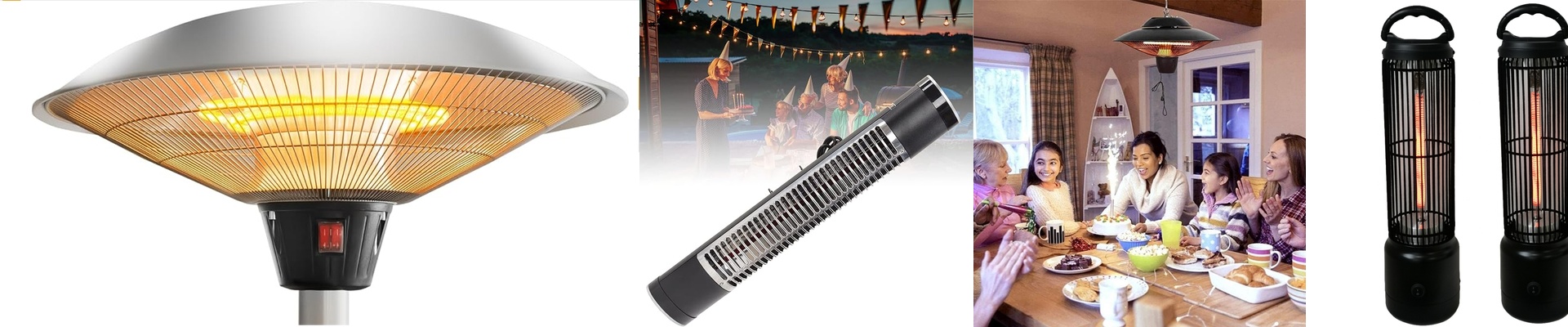
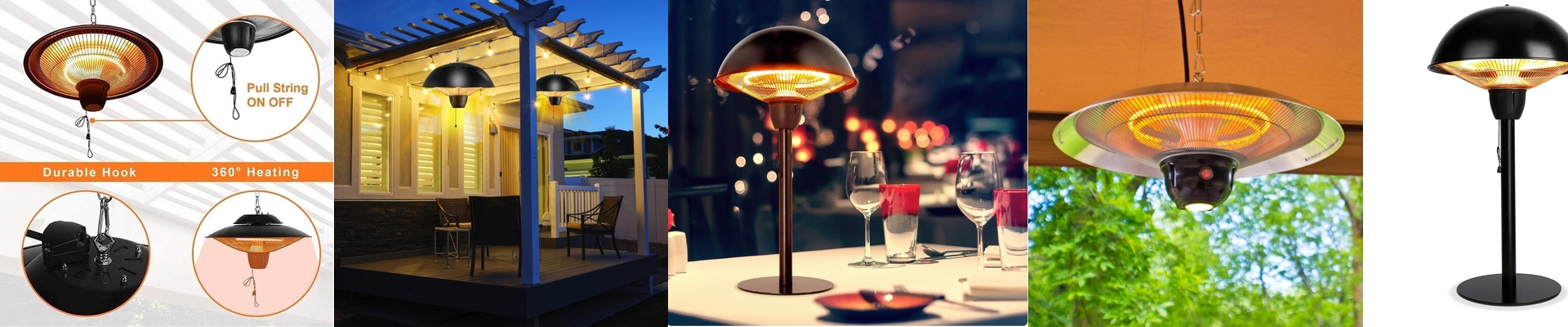
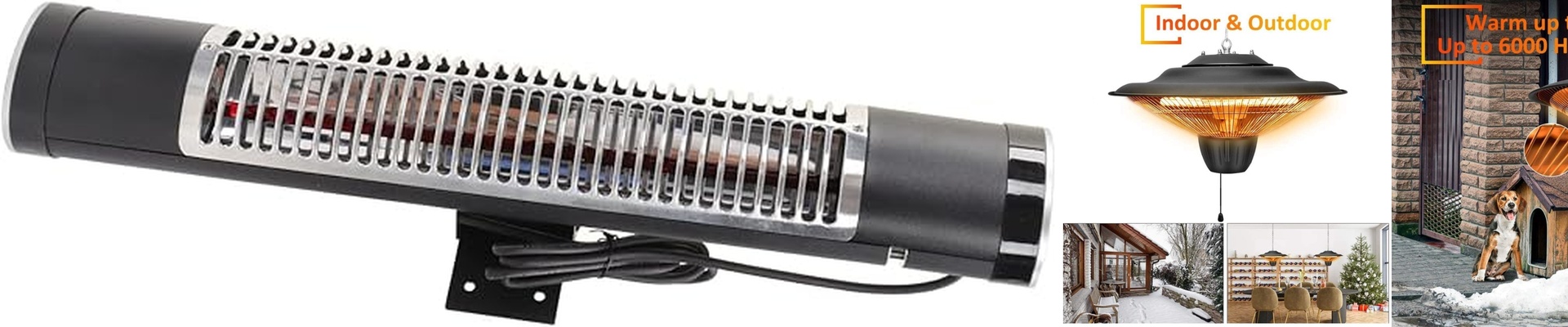
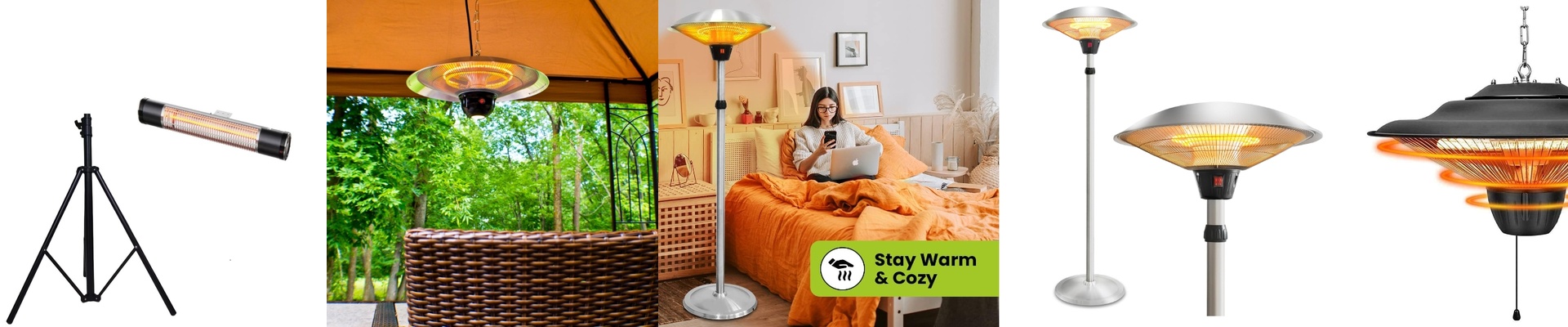
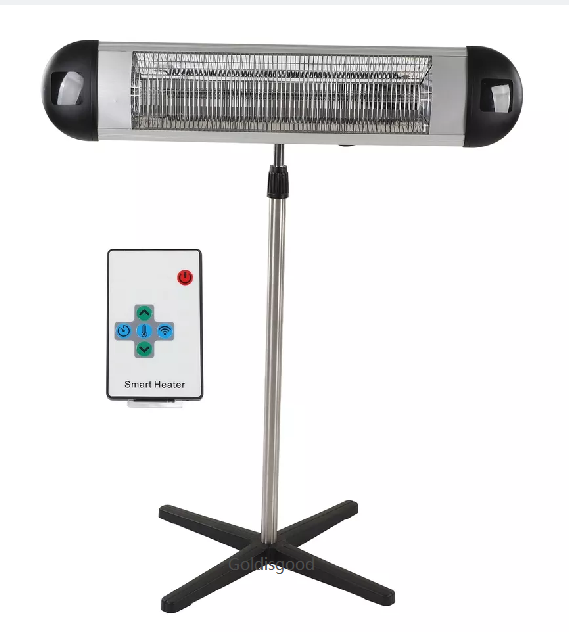
Let’s be honest: there is nothing worse than stepping out of a hot shower into a freezing changing area. Usually, people try to fix this with standard heaters. But here’s the problem—those things try to warm up the air. In a bathroom with vents and open doors, that warm air just vanishes. You’re basically trying to heat the outdoors. That’s why we use shortwave infrared (IR) wall heaters. Instead of fighting the air, these go straight for the skin. It’s like stepping into a beam of sunlight on a winter day. You feel it instantly. Why it actually works Most heaters take a while to “wake up.” Not these. Because they operate at a higher frequency, the filament hits its peak temperature the second you flip the switch. The heat doesn’t drift or float around. It travels in a straight line. So, the moment you walk into the zone, you’re warm. It doesn’t matter if the rest of the room is like an icebox. The nitty-gritty on the gear We don’t just pick any heater. We use quartz glass because it lets those IR rays pass through without blocking them. And since bathrooms are… well, damp… we have to be careful. We seal the internal wiring and terminals tight so moisture doesn’t sneak in and blow a fuse. We also stick with gold-plated or high-grade alloy filaments. They can handle the constant “on-off” cycling without burning out after a few months. Getting the setup right You can’t just slap these on a wall and call it a day. You have to get the height and angle just right. Since IR is “line-of-sight,” if something blocks the beam, you get a cold spot. But if you go too powerful in a tiny space? You’ll end up scorching the paint on the wall or making the user feel like they’re standing too close to a campfire. It’s all about finding that sweet spot between the wattage and the distance. One last tip: give these their own dedicated circuit. These lamps pull a lot of power the moment they kick in. If you share the line, you’ll be tripping your breakers way too often.