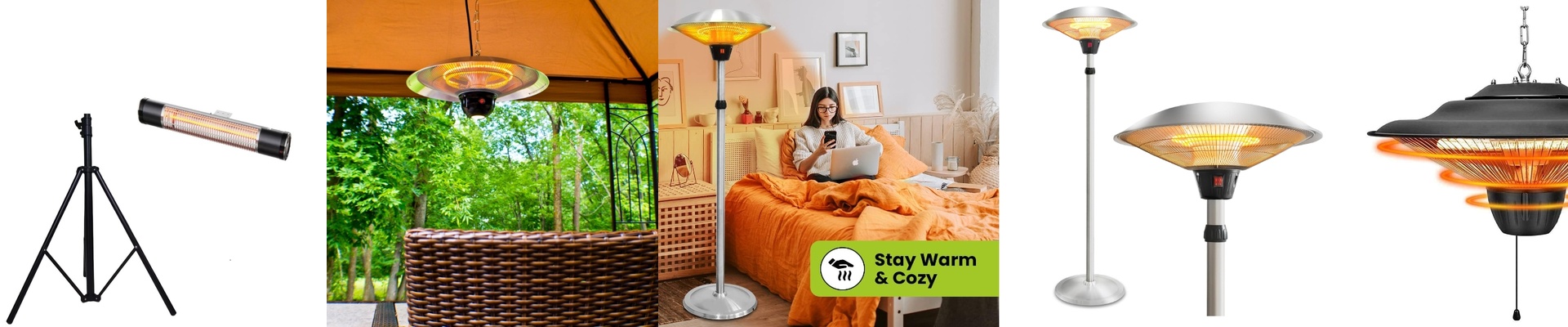
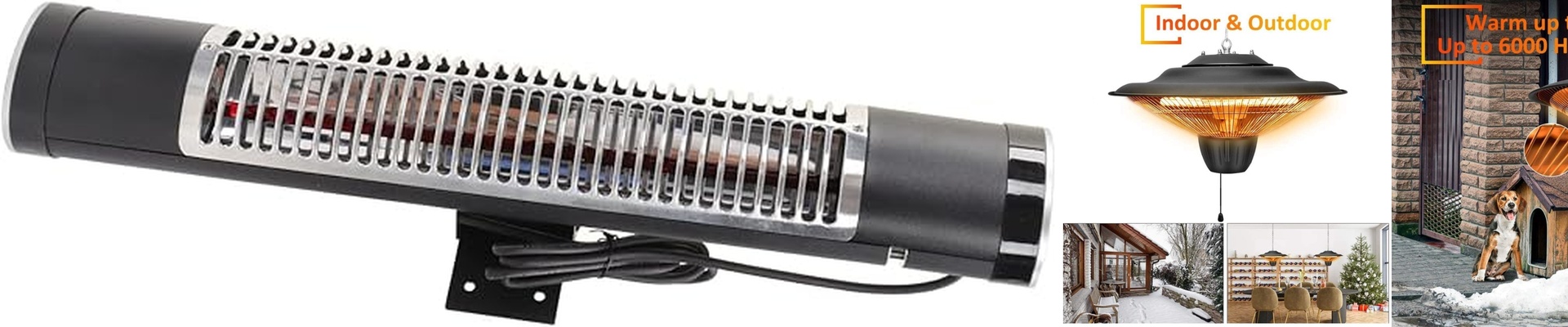
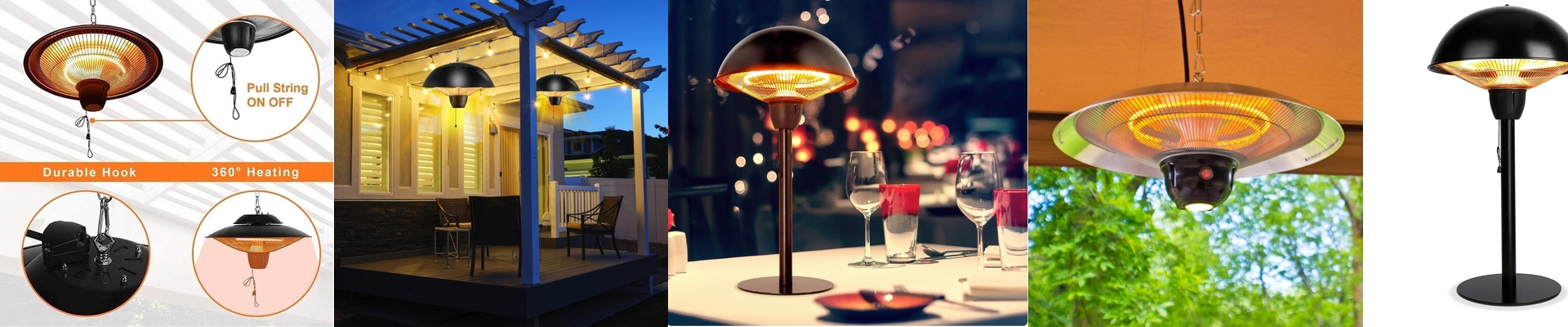

The Balancing Act: Heat, Water, and Not Blinding Your Guests
When you’re putting together an infrared heater for a bathroom, you’re basically fighting a war on two fronts. You want that instant, cozy heat the second someone steps out of the shower, but you don’t want them to feel like they’re staring directly into the sun. Then there’s the water. Steam, splashes, the works. That’s why IP66 is the gold standard here—it keeps the guts of the machine dry even when things get messy.
Keeping it easy on the eyes
Most short-wave lamps are aggressive. They blast out a light that’s just too intense, which is a real problem if you have kids or babies in the house. Nobody wants a “light show” while they’re trying to dry off. We handle this by tweaking the spectral output. By using a specific quartz coating or messing with the filament, we can filter out those harsh frequencies. The result? A soft, warm glow. You still get all the heat, but your eyes don’t feel the strain. It’s comfortable.
The struggle with the “sealed box”
Here’s the tricky part. To get that IP66 rating, the unit has to be tight. We use high-temp gaskets and sealed cable entries to make sure not a single drop of water hits the electricals. But a sealed box is basically an oven. If you cram a high-wattage lamp into a tiny, airtight housing, the internal temp will skyrocket. That’s why we lean on die-cast aluminum or treated polymers. They pull the heat away from the internals so the seals don’t warp or melt. It’s all about letting the housing breathe, even when it’s sealed shut.
Real-world setup
We’ve made these a breeze to swap out. Most use standard connectors, so you aren’t spending your Saturday rewiring the entire ceiling just to change a lamp. One quick tip: because of that eye-safety coating, the heat might move a little differently than a standard lamp. Don’t just install it and walk away. Test the distance. You want that warmth to hit the skin perfectly—no cold spots, and definitely no “too hot” spots.