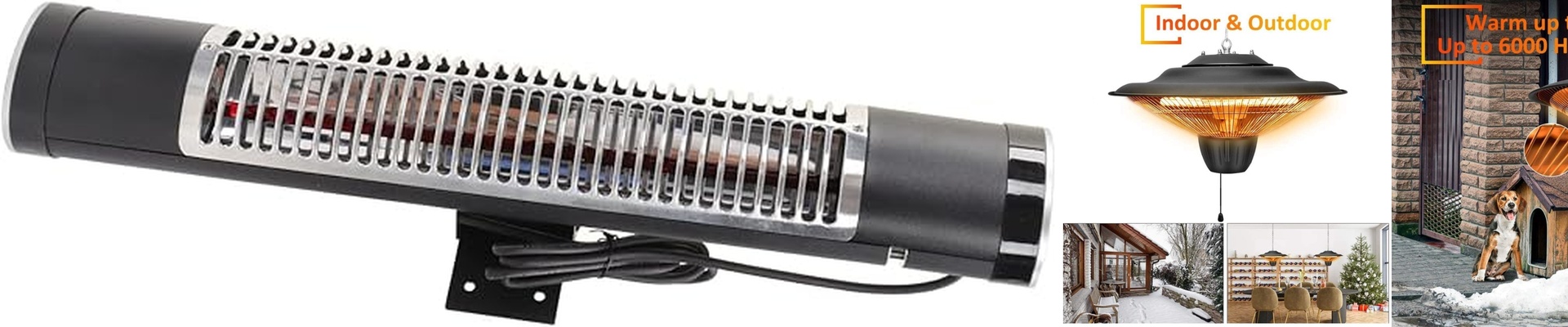
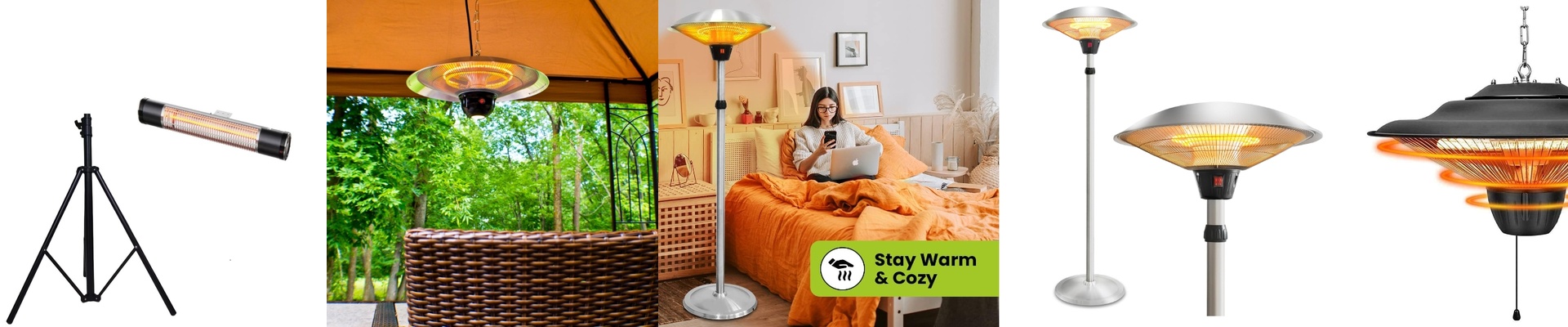
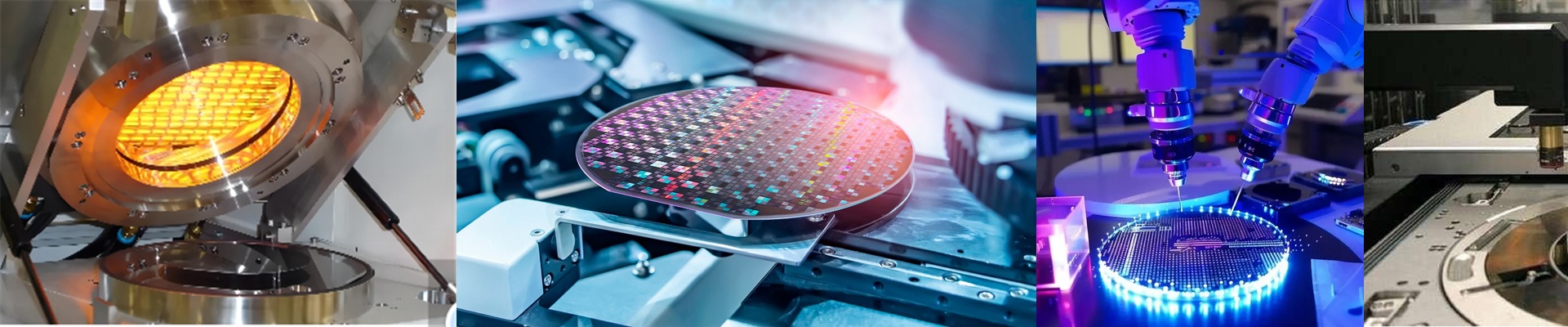
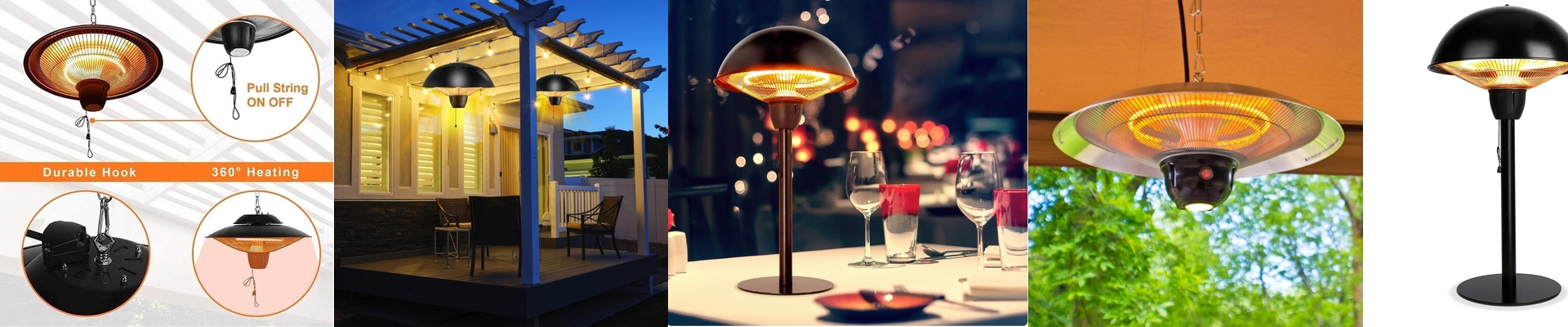
Keeping Your IP55 Infrared Heaters Safe and Dry
Putting infrared heaters in a bathroom or a wet room is a bit of a gamble if you aren’t careful. Water vapor is sneaky. It finds its way into standard housings, and before you know it, you’ve got a short circuit or a ground fault on your hands. Not exactly the vibe you want when you’re trying to relax in a warm shower. To get that IP55 rating, we basically fight a war on two fronts: keeping the water out and making sure the insides can handle the heat.
Getting the Seal Right
When we talk about IP55, we’re talking about a unit that can shrug off dust and handle water jets hitting it from any angle. We use heavy-duty silicone gaskets and reinforced seals around the chassis to lock out moisture. But a good seal is only half the story. The wiring inside has to be bulletproof. We use fluoropolymer insulation for the leads because it doesn’t care about the heat. Standard jackets would just melt or crack under thermal stress, leaving live wires exposed to condensation. That’s a recipe for disaster.
The Nitty-Gritty of Grounding
To make sure the electricity stays where it belongs, we decouple the heating element from the metal frame. We do this by using ceramic insulators at the mounting points—essentially breaking the path so the current can’t jump to the chassis. We also put every single unit through a high-voltage “hipot” test. It’s our way of double-checking that there’s zero leakage between the live terminals and the outer shell. One thing to keep in mind:**your building’s grounding has to be spot on.**If the earth connection at your site is shaky, even the best IP55 unit can’t save you from a massive power surge.
The Trade-off
Here’s the catch. When you seal a heater tight to make it Waterproof, you lose airflow. Because the unit can’t “breathe,” the internal parts—like your timers and thermostats—run a lot hotter than they would in an open box. You’ve got to keep an eye on the duty cycle. If you blast these lamps at 100% power for hours in a tiny, sealed space, that “heat soak” will eventually eat away at your seals. **My advice?**Stick to the recommended wattage for your housing size. It’ll keep your gear running longer and keep things safe.