Stopping the Energy Leak in Semi Rinse Stages
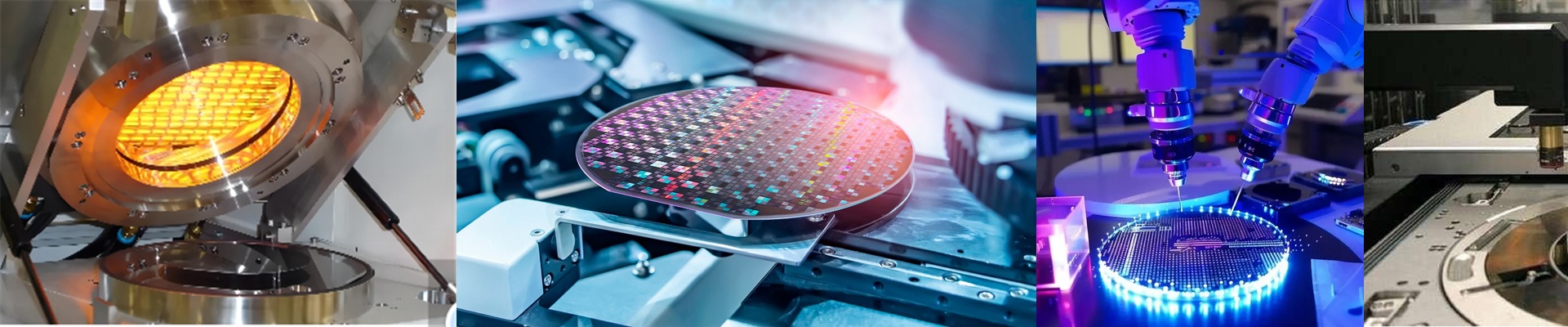
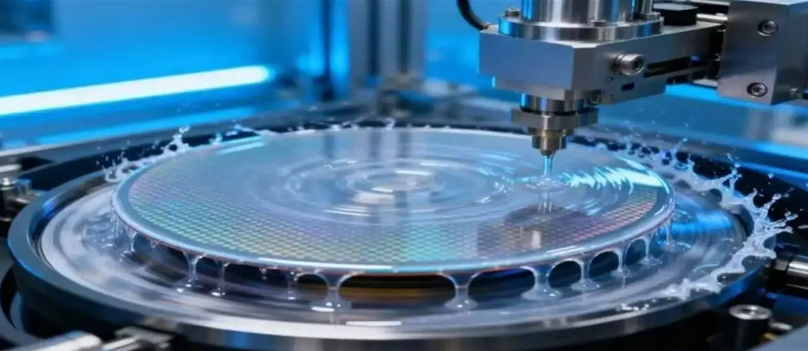
Let’s be honest: heating up entire volumes of air just to dry a wafer is a waste. It’s like heating your whole house just to warm up a single cup of coffee. Most old-school convection or resistive systems just bleed energy into the room. That’s why we’ve shifted to waterproof infrared (IR) lamps. Instead of warming the air, these lamps hit the wafer surface directly. It’s a much smarter way to handle heat. Cutting the Carbon (and the Bill) If you’re trying to hit those “Green Factory” goals, you have to look at where the power is actually going. Traditional ovens leak heat everywhere. By focusing the energy exactly where it needs to be, you drop the total kilowatt-hours used per wafer. Plus, you don’t have to wait forever for the system to ramp up or waste power while it’s idling. It just works. Your carbon footprint shrinks, and your efficiency goes up. It’s a win-win. Dealing with the Mess Rinse stages are brutal. You’ve got high humidity, chemical vapors, and moisture everywhere. If you throw a standard quartz tube in there, it’s going to short out or oxidize. Period. To stop that from happening, we wrap these lamps in specialized waterproof housings with moisture-resistant terminals. No water ingress, no premature burnouts. Just reliable heat. Depending on what chemicals you’re using, we usually go with short-wave or medium-wave IR. Short-wave is great because it cuts through moisture layers faster, which means your wafers dry in a fraction of the time. The “Gotchas” Now, this isn’t just a “plug it in and forget it” situation. High-density IR puts out a lot of localized heat. If you don’t get your cooling fans and heat sinks right, you’ll run into trouble. You don’t want your process sensors drifting just because the lamp housing is getting too hot. A quick tip: use a closed-loop PID controller. It keeps things stable so you don’t accidentally bake your wafers. Also, make sure your power supply is steady. Voltage spikes can actually crack the quartz envelope, and that’s a headache nobody wants. But once you’ve got the wiring and cooling sorted? It’s a clean, efficient replacement for those clunky heating blocks.