Why You Should Stop Using Hot Air for Biosensor Curing
If you’re still using hot air circulation to cure and dry your biosensors, you’re probably dealing with a massive bottleneck. I see it all the time. You’re basically waiting around for air to move, and in this business, waiting is expensive.
The problem with “blowing hot air”
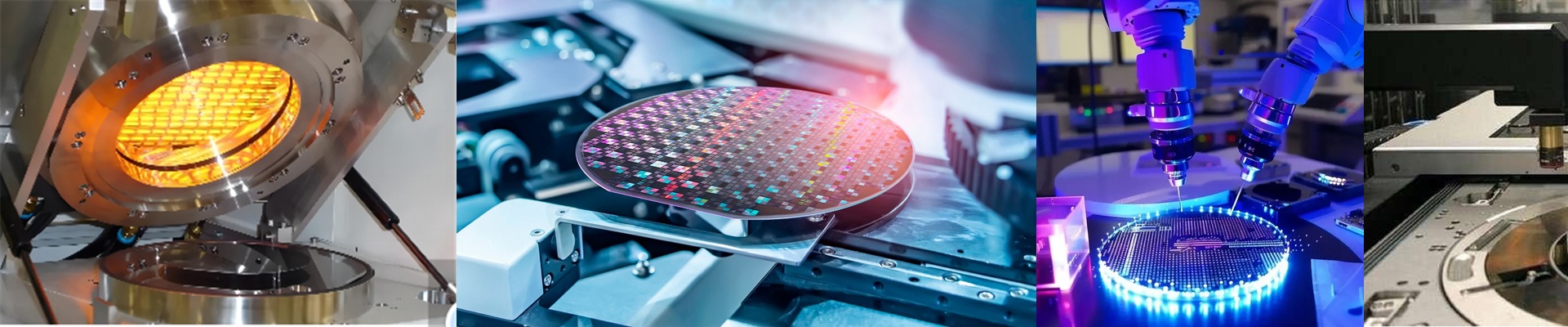
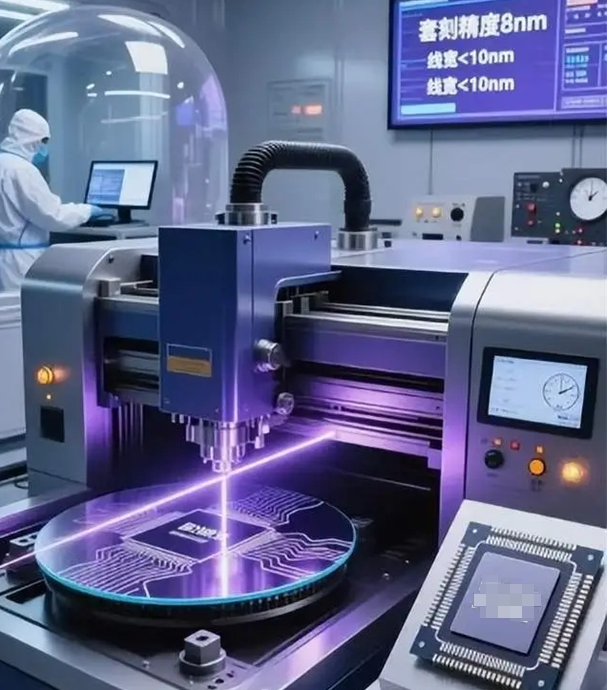
Here is the thing about convection: it’s slow. You have to heat up the air, then the chamber, and finally—after a while—the part actually gets warm. It’s a lot of wasted energy just to get the room hot. IR lamps work differently. They don’t mess around with the air; they hit the target directly. It’s basically “instant-on.” In deep semiconductor processing, we’ve seen ramp-up times drop from minutes to seconds. Instead of paying to heat the atmosphere, you’re putting that energy exactly where it belongs: on the wafer.
Getting the setup right
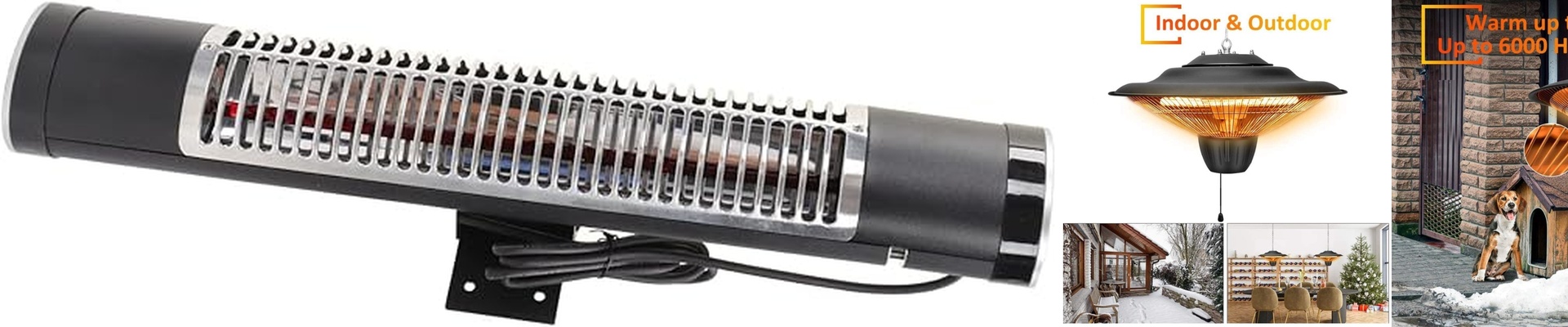
Depending on what your materials are, you’ll want either shortwave or medium-wave IR. I usually lean toward shortwave if you need the heat to sink deeper into the substrate. It’s the best way to make sure the core of the sensor hits the right temperature without accidentally scorching the surface. But a word of caution: watch your power density. These lamps pack a serious punch in a tiny footprint. If you go overboard with the wattage, you’re looking at warped substrates or thermal shock. Also, you’ll need to tweak your PID controllers. Because there’s no “thermal lag” like you get with an oven, the system reacts instantly. You have to be ready for that.
What happens on the shop floor
Switching to IR is usually a pretty easy swap for your heating elements, but don’t forget your cooling system. You’re dealing with a much more intense radiant load now. You’ll save hours on your cycle time, which feels great, but you do have to be more mindful of hotspots. I always suggest using quartz envelopes to keep things clean, especially in a cleanroom. It’s a bit of a trade-off. You get way more throughput, but you have to be a lot more precise about the distance between the lamp and your part. Once you nail that distance, though, everything just moves faster.