Why we use Infrared for Bio-Sensors
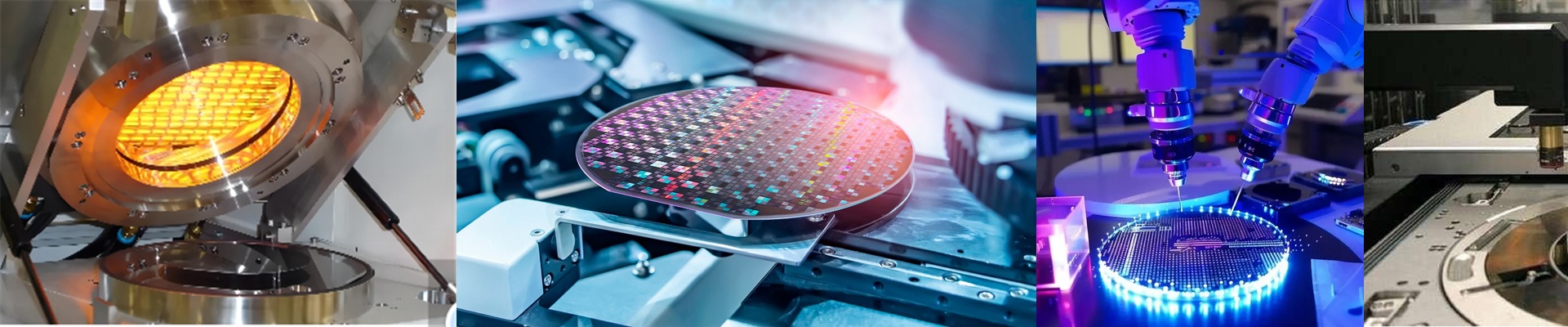
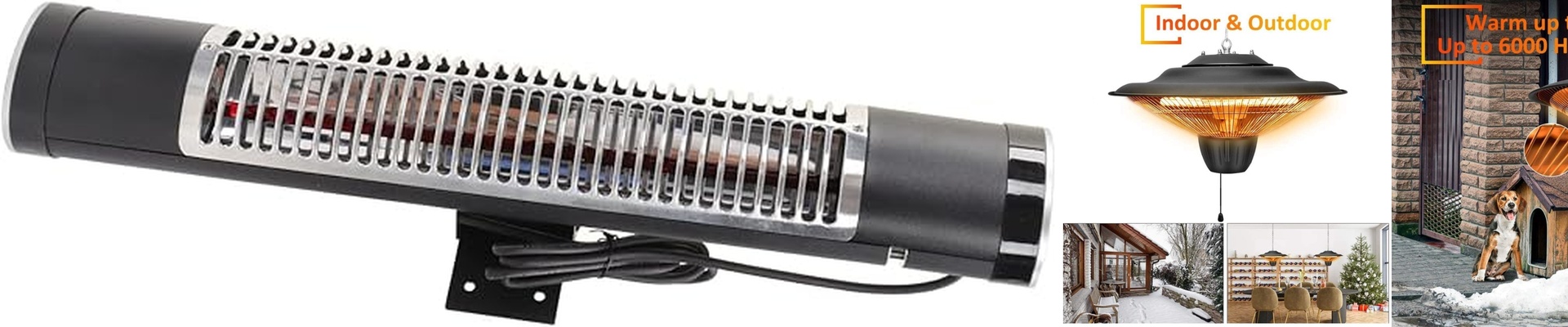
When you’re building bio-sensors, you’re walking a tightrope. You need enough heat to cure your adhesives and polymers, but if you go too far, you’ll fry the biological reagents. It’s a delicate balance. That’s why we use infrared (IR) lamps. Instead of heating up a giant oven and hoping the air carries the heat to your part, IR sends energy straight to the substrate. It’s direct. No wasted space, no waiting for the air to warm up.
Getting rid of the nasty stuff
Old-school drying usually involves heavy-metal catalysts or solvents that pump out VOCs. Not exactly great for the lungs or the planet. IR does things differently. We match the lamp’s light to the specific way the polymer molecules vibrate. It’s like tuning a radio to the exact right station. This triggers the chemical cross-linking on its own, so you don’t have to lean on hazardous chemical accelerators to get the job done. You get a clean, full cure without the toxic baggage.
Speed and the “Scorch” Factor
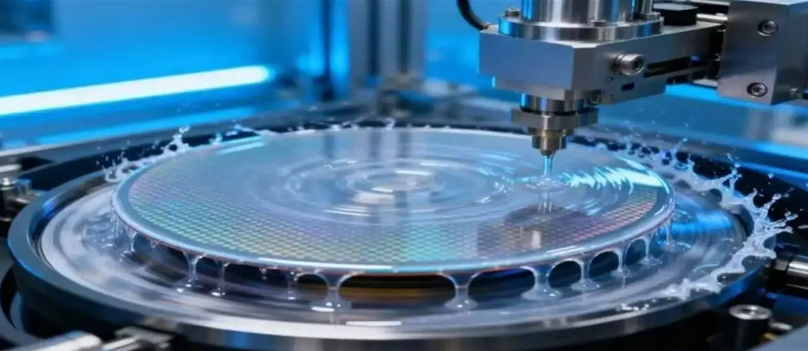
Convection ovens are slow. They take forever to hit the right temperature. IR lamps? They hit the mark in seconds. Because it’s so fast, the power draw per wafer drops significantly. We usually go with short-wave IR because it punches through the sensor layers quickly. Plus, since you aren’t waiting on a massive insulated box to heat up, your equipment can be much smaller. You get a lot more room on your lab bench. But here’s the catch: IR is intense. If you aren’t careful, you’ll Scorch the bio-active layer before you even realize it. That’s why we use closed-loop sensors to keep a hawk-eye on the temperature. You can’t just “set it and forget it.”
Cleaning up the process
The semiconductor world is pushing hard for “Green” standards right now. IR fits right into that. No combustion gases, lower carbon emissions—it’s a much cleaner way to work. For anyone still using those old, energy-hungry thermal tunnels, switching to IR is a breath of fresh air. You’re taking a curing cycle that used to take minutes and shrinking it down to seconds. You get more sensors out the door, and your environmental compliance becomes a non-issue. It just makes sense.