
Getting CNT Fabrication Right with Infrared Heating
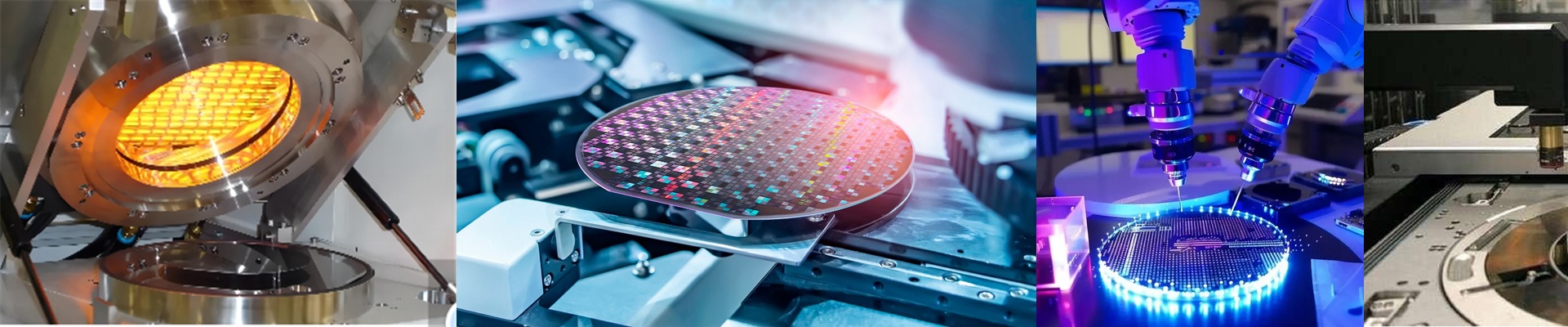
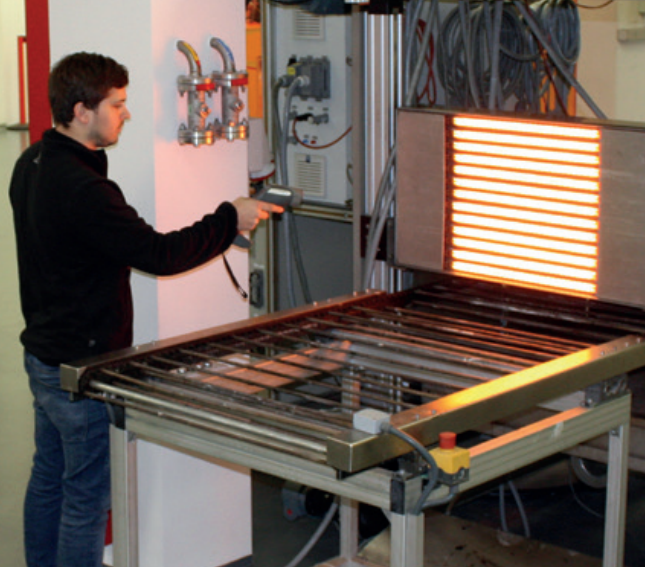
If you’ve ever worked with carbon nanotubes, you know that thermal control is everything. If your catalyst activation or carbon deposition is even slightly off, the whole batch is toast. For a long time, we relied on those massive resistive furnaces. But honestly? They’re overkill. Most of the energy just ends up heating the oven walls instead of the actual material. That’s why we’ve switched to shortwave IR lamps.
Stop Wasting Energy on Empty Air
Here is the thing about traditional furnaces: they’re energy hogs. You spend half your time and money just heating up the chamber. IR lamps are different. They target the substrate directly. Because you’re focusing the energy exactly where it needs to go, the ramp-up time plummets. You use fewer kilowatt-hours per batch, which is a huge win if you’re trying to run a greener factory. Now, these systems pack a serious punch in terms of heat density. You get a response that’s almost instant, which gives you way more control over how the CNTs actually grow. But a word of caution: all that radiant heat doesn’t just vanish. If you don’t get your cooling jackets right, you’re going to fry your sensors.
The Nitty-Gritty of the Setup
We use quartz envelopes with specific coatings to tune the wavelength. It sounds technical, but it’s basically just making sure the energy actually sinks into the substrate instead of bouncing off the surface like a mirror. We also don’t mess around with the connections. These things go through brutal industrial cycles, so we use heavy-duty terminals. You don’t want to deal with arcing when you’re pushing high wattages. One more tip: watch your power. If you’re wiring this into a semiconductor line, you need a rock-solid power supply. Even a tiny voltage ripple can cause the temperature to swing, and that’ll mess up the morphology of your nanotubes. A dedicated power conditioner is a lifesaver here—it keeps the heat output flat and predictable.
The Trade-offs
It’s not all magic, though. Switching to IR changes the “feel” of the process. You lose that long “soak” time you get with a heavy furnace. Everything happens faster. Because of that, you’ll need to tweak your gas flow rates to keep up with the heating curve. If you just plug and play without tuning the flow, you’ll likely end up with uneven nanotube forests across your substrate. It takes a bit of adjusting, but once you dial it in, the efficiency is worth the effort.