Making Bathroom Heaters Warm Without Blinding You
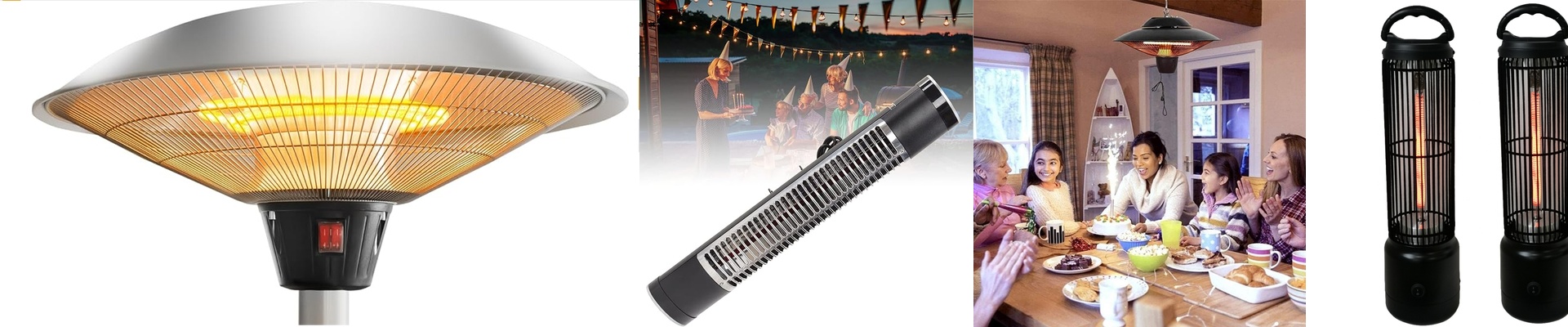
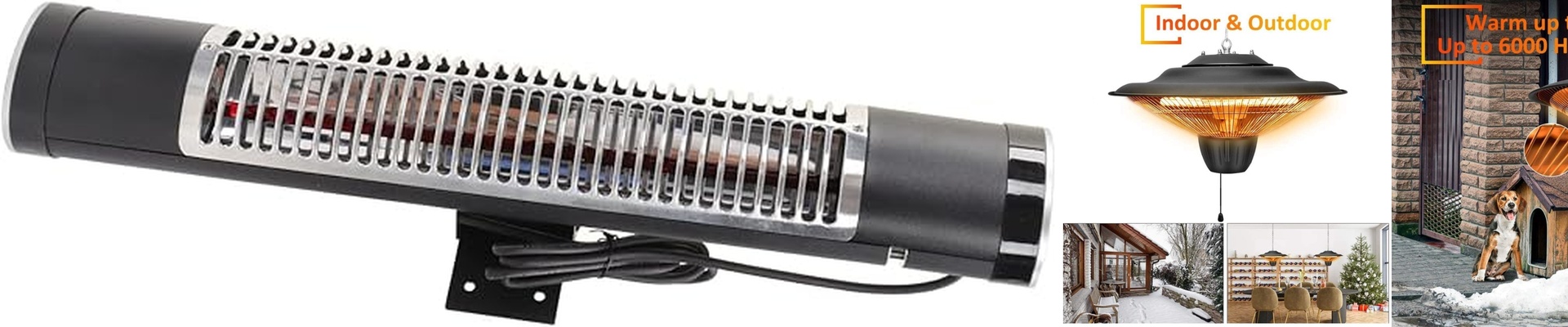
Most infrared bathroom lamps use short-wave radiation to give you that “instant heat” feeling the second you flip the switch. But here’s the problem we deal with in the shop: that light can be brutal. It’s a harsh glare that can actually be dangerous for sensitive eyes—especially for babies. We can’t just leave it as is. So, we spend a lot of time messing with the quartz tube and the housing to make it safe. Taming the light Standard halogen bulbs put out a sharp, white light that really stresses the retinas. To stop that, we use special coatings or filtered quartz. The goal is to block out that high-energy blue light and keep the infrared heat. It’s not about making the lamp look “fancy.” It’s about keeping the heat high while turning down the brightness so you aren’t squinting every time you step into the shower. Getting the heat where it belongs We don’t just throw a bulb in a box. We set the heating element into a reflector that pushes the IR waves straight down. We also use matte finishes or diffused lenses. This scatters the light instead of letting it hit your eye in one concentrated, blinding beam. Plus, we use high-purity quartz glass. Why? Because cheap glass clouds up after a few hundred hours, and once that happens, your heat starts hitting the room in weird, uneven patches. The trade-off Now, there’s a catch. When you filter the light to make it softer, you lose a little bit of raw power. You might see a 5% or 10% drop in heat compared to a raw, uncoated tube. But honestly? In a home bathroom, your eyesight is way more important than a few missing watts. One last tip: if you’re installing these, double-check your wiring. These high-wattage quartz heaters have a nasty current surge when they first kick on. Make sure your relays can handle it, or you’ll be replacing burnt-out contacts sooner than you’d like.