Why you can’t just use any quartz tube in your bathroom heater
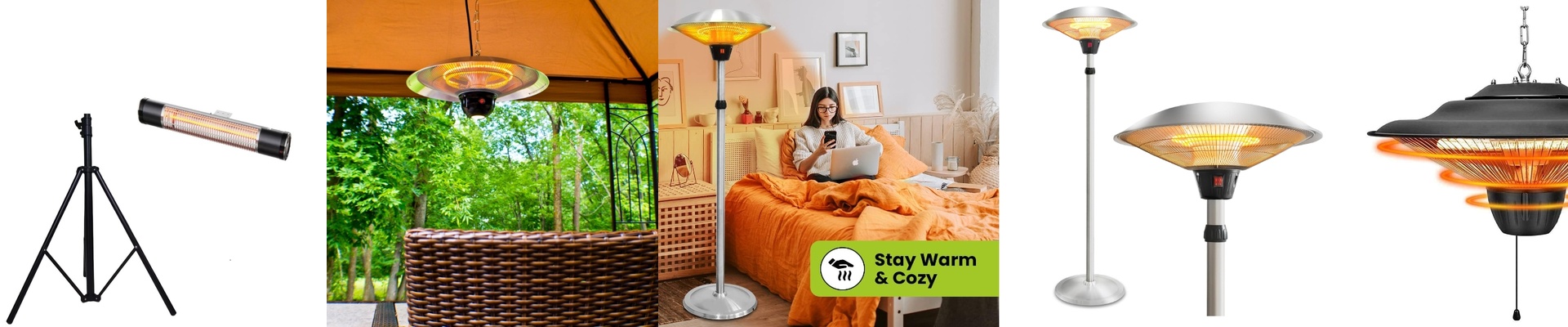
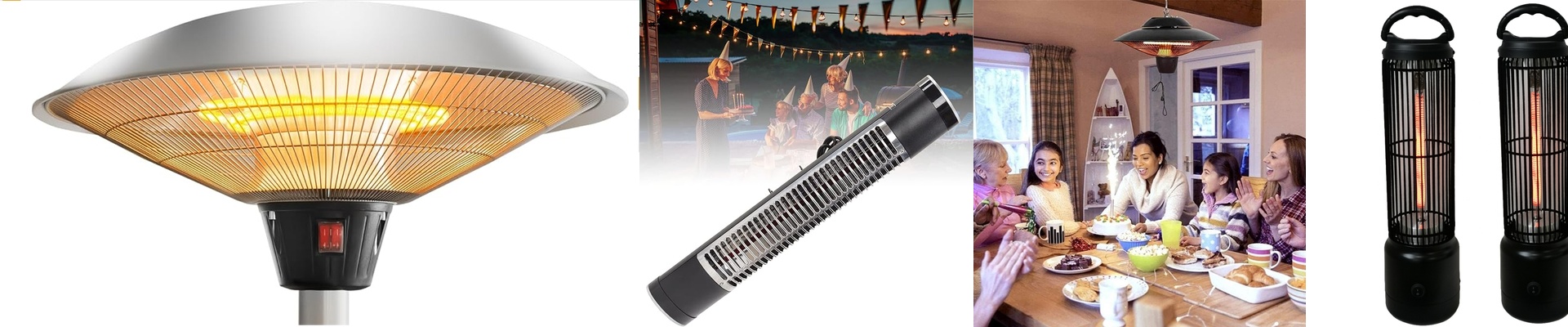
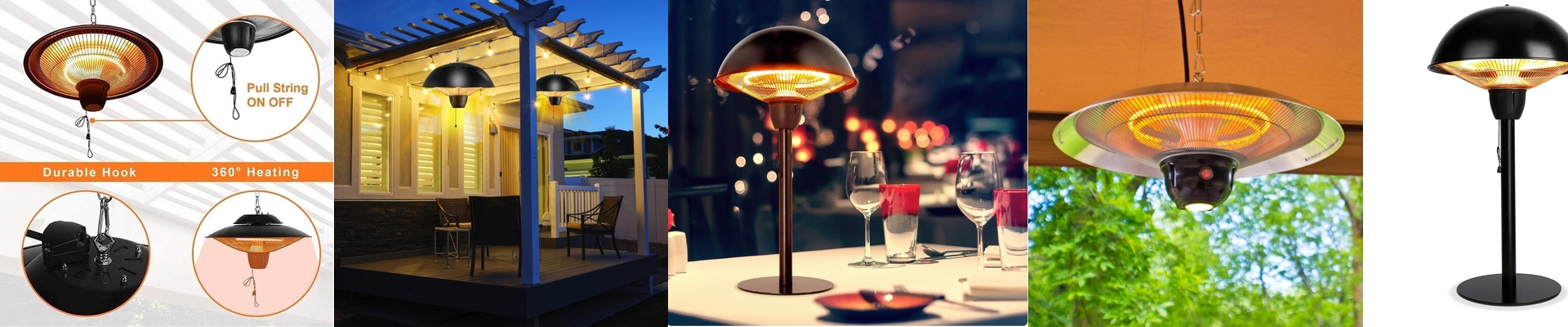
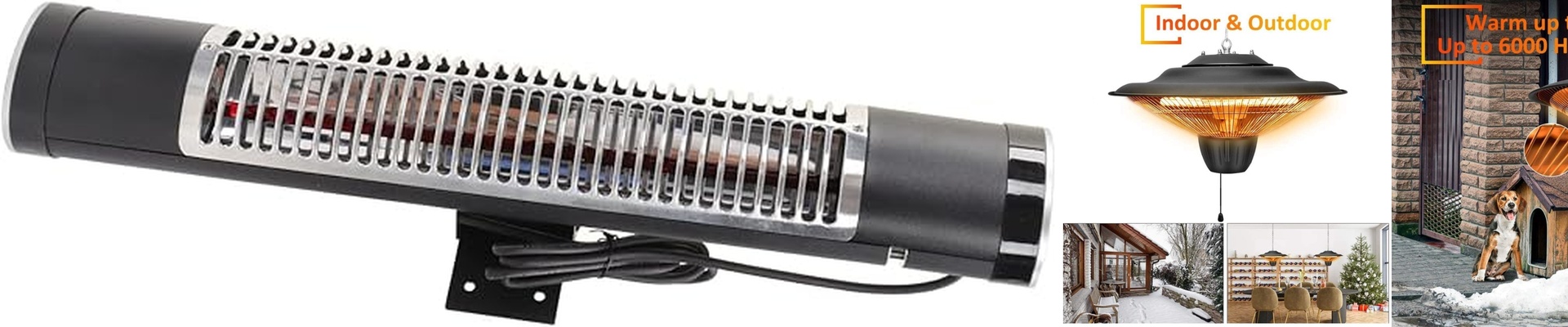
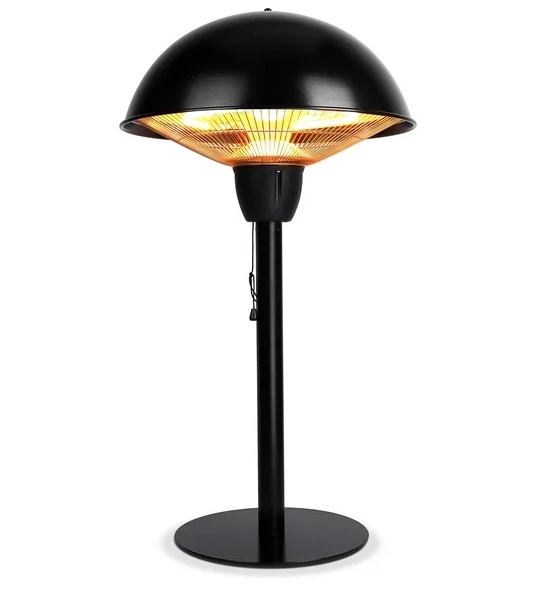
Think about your shower for a second. It’s a humid, steamy mess. Now, imagine putting a heating element in there that reaches hundreds of degrees. If you use a standard quartz tube, you’re asking for trouble. One stray drop of cold water hits that scorching glass, and pop. Thermal shock. The glass cracks, the filament burns out, and your heater is dead. This is where explosion-proof quartz comes in. It’s not just about making the glass thicker. It’s about using a material that doesn’t freak out when the temperature swings wildly. In a bathroom, this glass is basically your safety net. If a cheap tube shatters, you’ve got broken glass and live electricity in a wet room. Not a great combo. Explosion-proof tubes stay together, keeping the electricity where it belongs and the moisture out. The way these things actually heat you is pretty cool. They use short-wave infrared radiation. Instead of trying to warm up all the air in the room—which takes forever—the energy moves in a straight line. It hits your skin and warms you up almost instantly. But, there is a catch. Because they heat up so fast and get so hot, they can be brutal on the stuff around them. If you mount these too close to cheap plastic or low-grade wiring, you’re going to melt your fixtures. You’ve got to be smart about the housing. Make sure your materials can actually handle the heat. And for heaven’s sake, check your waterproof seals. If they aren’t rated for high temperatures, they’ll degrade and start leaking. A few pro tips: use high-temp lead wires and don’t cheap out on the insulation. Give the fixture some room to breathe so it doesn’t turn into a heat trap. Do that, and you’ve got a heater that actually lasts.