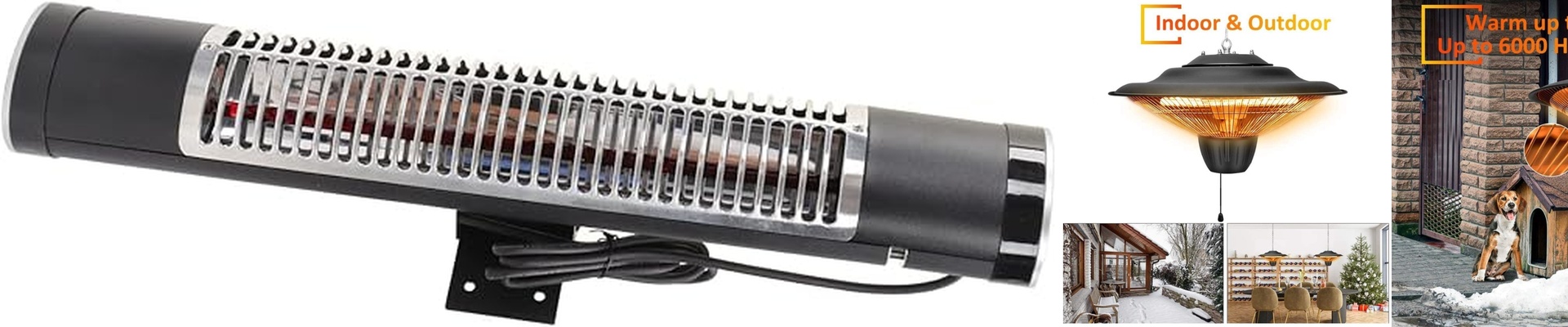
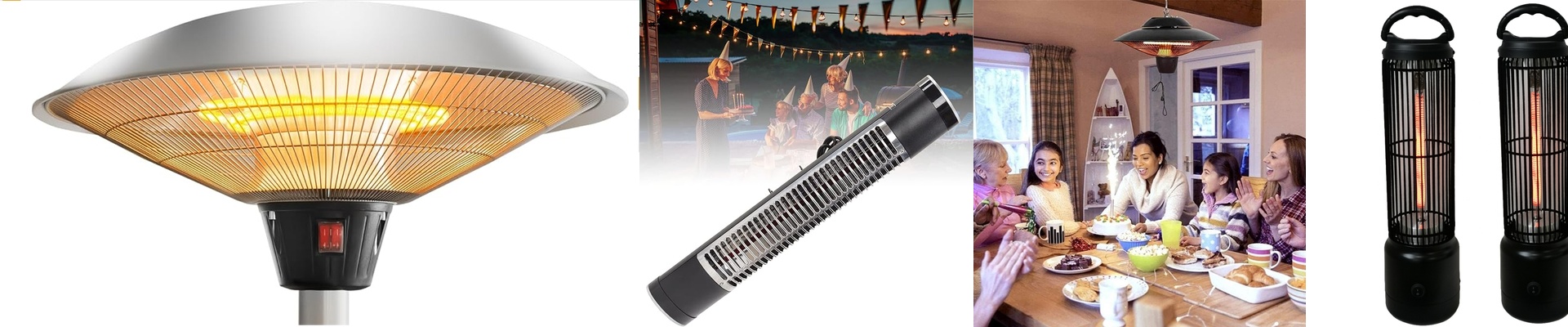
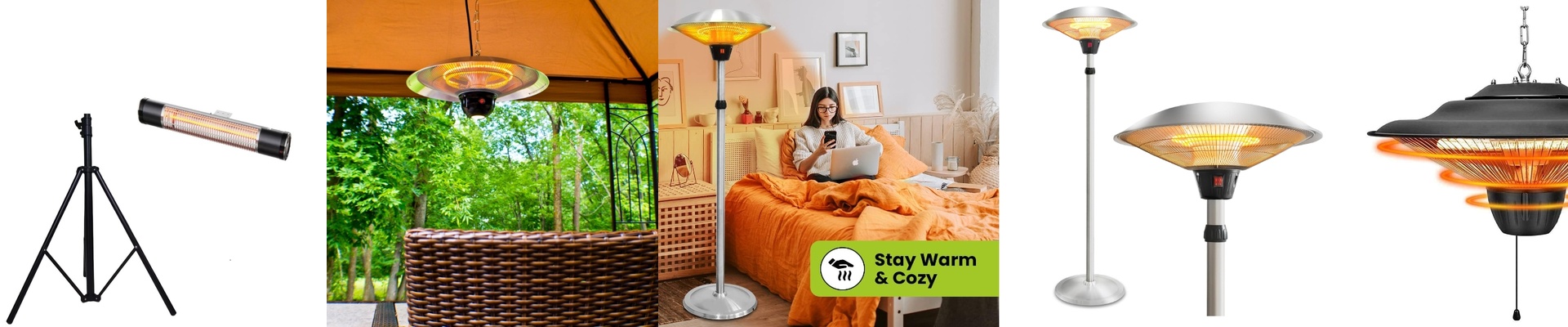
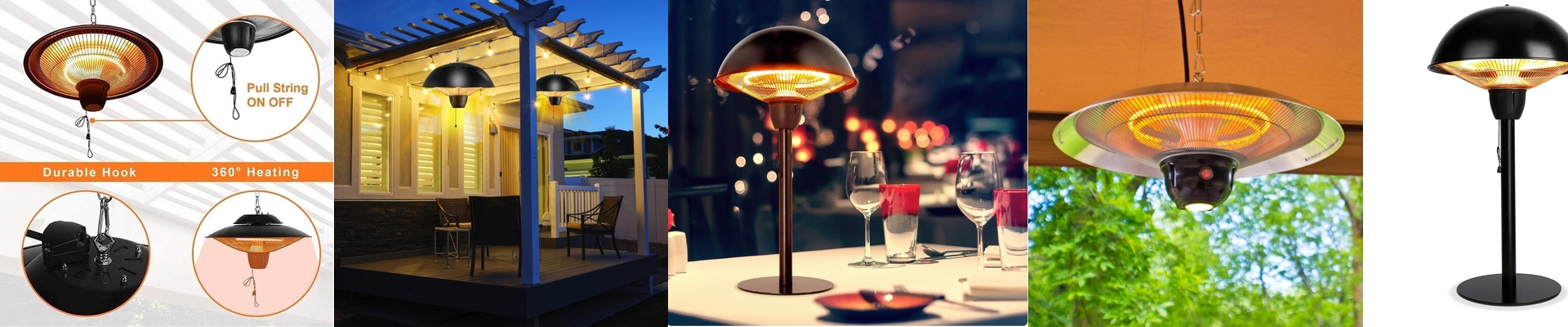
Making Heaters That Actually Survive Your Bathroom
Let’s be honest: bathrooms are a nightmare for electronics. You’ve got thick steam, dripping condensation, and wild temperature swings happening all at once. It’s a recipe for a short circuit. We don’t just “hope” our recessed infrared heaters hold up. We spend our time trying to break them in the lab first.
The battle against the steam
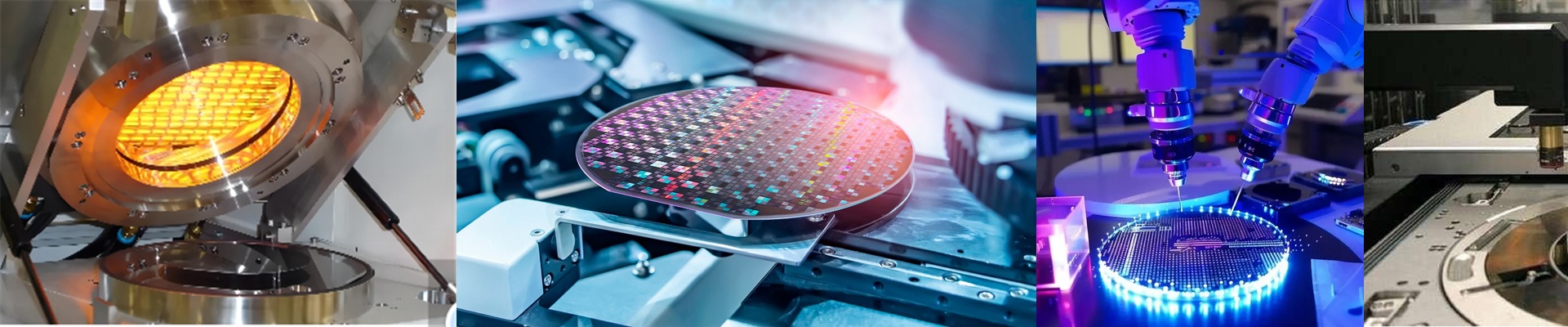
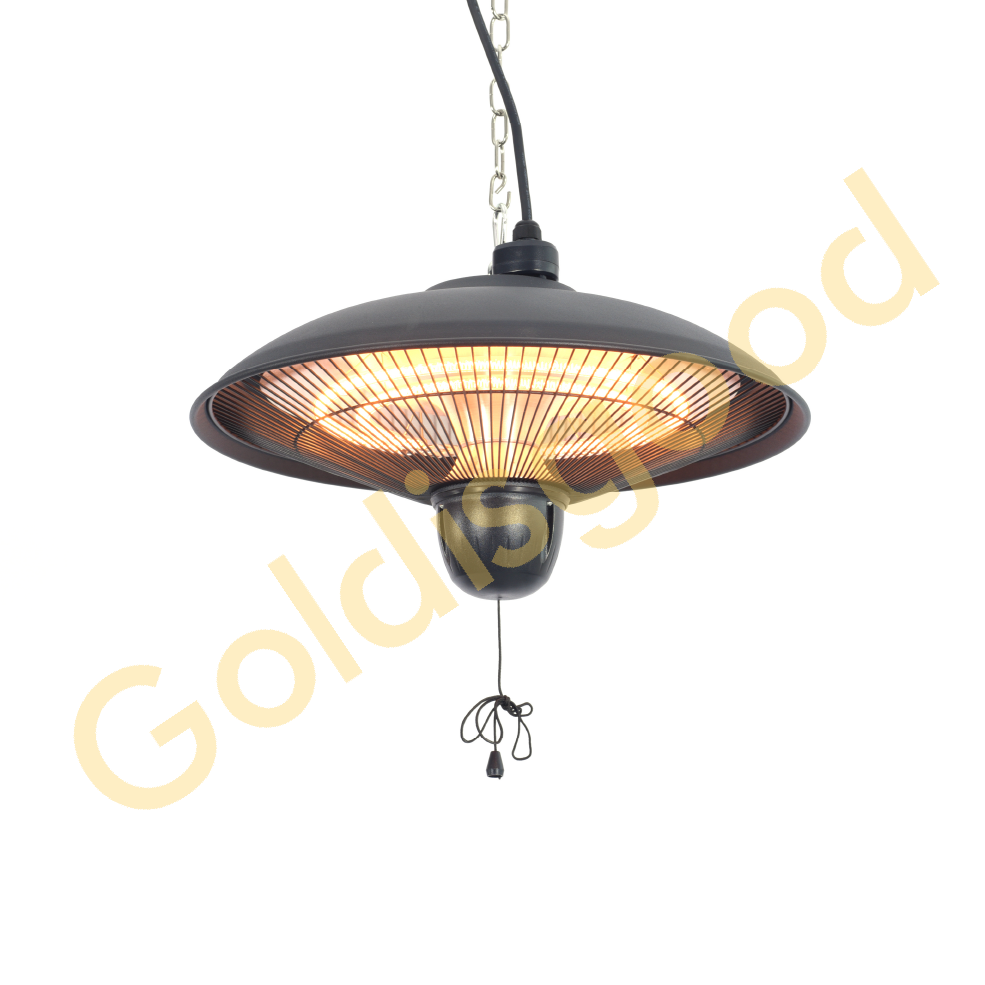
Here is the problem. These heaters use quartz elements that get incredibly hot. When you turn them on and off in a room that’s basically a sauna, the temperature difference is huge. Moisture loves to settle on those cold spots—especially around the housing and the electrical terminals. To fix this, we put our units in “damp-heat” chambers. We lock them in, crank up the humidity, and cycle the power over and over. It’s basically a time machine that simulates years of use in a few weeks. If a seal is even slightly off, moisture creeps in. That leads to rust, oxidation, or a dead heater.We find those leaks now, so you don’t find them later.
Finding the sweet spot
It’s a bit of a balancing act. Everyone wants that instant blast of heat the second they step out of the shower. To get that, we use high-wattage lamps, which put a lot of stress on the internal wiring. We apply special moisture-resistant coatings to the terminals to stop them from corroding. But we can’t just slather the thing in sealant. If we use too much, the heat gets trapped and the wire insulation melts. It’s a tightrope walk between keeping the water out and letting the heat escape. We tweak it until it’s just right.
Why we obsess over this
Nobody wants a heater that dies after six months. It’s a pain to replace and a total liability. Throughout our testing, we’re constantly checking the electrical resistance and the strength of the insulation. If the specs drift even a little bit, the design goes back to the drawing board. We only ship the ones that stay rock-solid. That way, you can take a steaming hot shower without worrying about tripping your breaker the moment you flip the switch.