


Why Gold-Coated Reflectors Actually Matter for Your Wafers
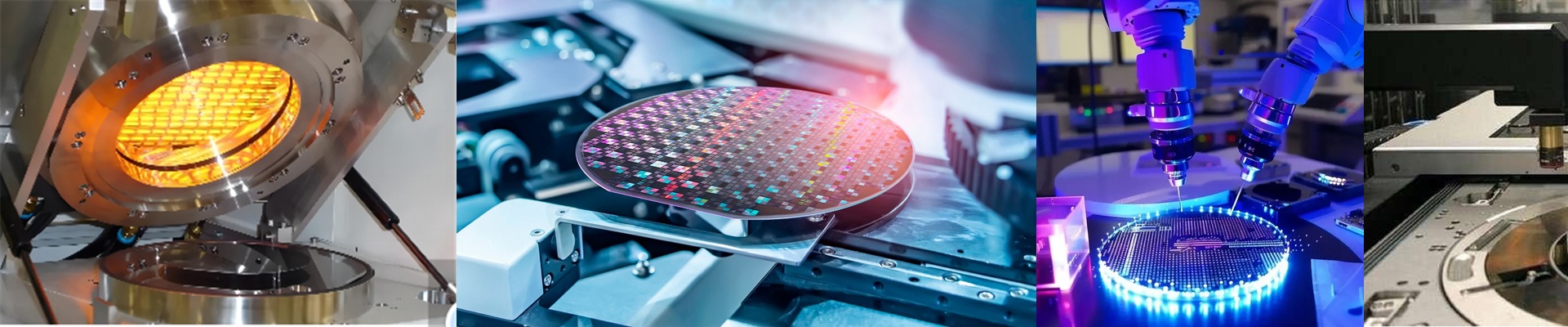
In the world of semiconductor processing, losing energy is basically like throwing money away. It kills your throughput. That’s why we use gold-coated reflectors on our IR bulbs. Instead of letting heat leak out the back, we force it exactly where it needs to go: right onto the wafer surface. The deal with gold Most people start with aluminum, but here’s the problem—aluminum just doesn’t cut it when you’re dealing with long-wave and medium-wave IR. It absorbs too much. Gold is different. We apply a thin layer of it because it bounces that energy back with way more efficiency. You end up with more watts hitting your target and fewer watts heating up your machine’s chassis. It basically turns a regular bulb into a precision heat tool. Watching your power density When you’re picking out these lamps, you have to keep a close eye on the wattage-to-surface area ratio. High-wattage bulbs cram a massive amount of energy into a tiny space. It creates a serious heat zone. If your cooling system can’t keep up with the heat that doesn’t hit the wafer, you’re asking for trouble. We’ve seen lamp sockets and wiring just fry because the heat had nowhere else to go. Getting it right in the machine These bulbs are meant to be simple drop-in replacements for your current IR arrays. But the real trick is the focal point. We spend a lot of time making sure the heat spreads evenly across the wafer. If the bulb shifts even a couple of millimeters? You get hot spots. And hot spots ruin everything. One last thing: please, use gloves Gold coatings are incredibly sensitive. If a technician touches the reflector with their bare hands, the oils from their skin will literally burn into the gold the first time it heats up. You’ll see a permanent dark spot. That spot stops reflecting and starts absorbing heat, which kills the bulb’s life and messes up your thermal uniformity. Keep them clean. Wear the gloves. It’s a small step that saves a huge headache.