Stop Waiting on Your Heaters: Why UHP Infrared Beats Hot Air
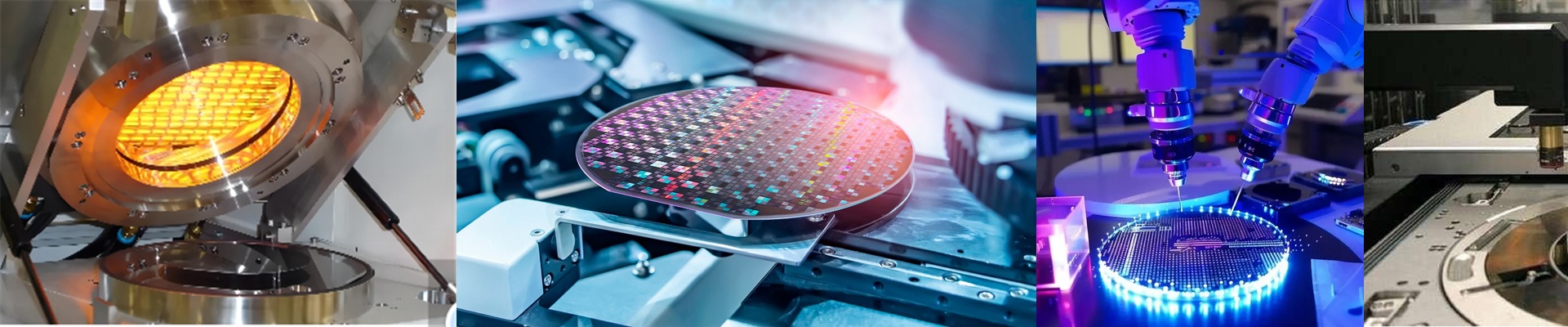
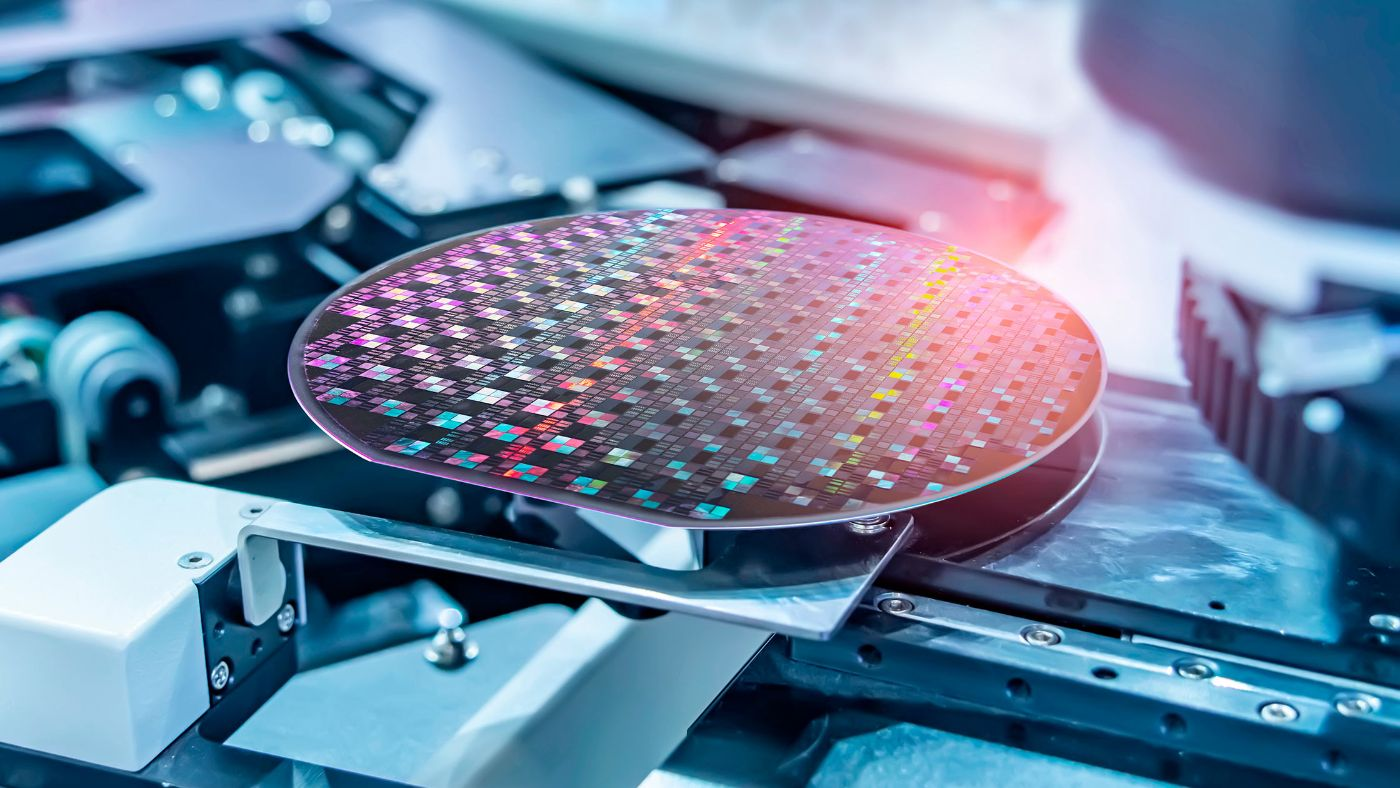
If you’re working in semiconductor processing, you know the biggest enemy isn’t usually the tech—it’s the clock. Specifically, that annoying wait time. For years, people relied on forced-air systems, but there’s a catch: thermal lag. You’re basically wasting minutes every single cycle just waiting for things to get hot. That’s why we moved to Ultra High Purity (UHP) infrared lamps. We wanted to kill that lag by using radiation instead of blowing hot air around. It’s all about the physics Think about how hot air works. You have to heat the air, then the air heats the chamber, and finally, the chamber heats the wafer. It’s a slow chain reaction. UHP lamps don’t play that game. They send out shortwave radiation that hits the surface directly. Just like that. We’ve seen ramp-up times crash from minutes down to a few seconds. It means you can tighten your process windows and push more through your line without staring at a blower, waiting for the temperature to stabilize. The nitty-gritty on materials Since we’re talking cleanrooms, contamination is a deal-breaker. We use high-purity synthetic quartz for these lamps so you don’t have to worry about outgassing ruining your batch. But a heads-up: you’re packing a lot of power into a very small space. We build these to match your specific voltage and wattage, but keep in mind that this kind of concentrated energy gets intense. If your cooling jacket or heat sink isn’t up to the task, you’re going to run into trouble—like warped fixtures or burnt-out lamp ends. Make sure your cooling can keep up with the heat. What this actually does for your floor The best part? You can get rid of those bulky ducts and noisy fans. Your machine footprint shrinks, which is always a win. It’s a simple swap. You trade that slow, agonizing climb of a convection heater for a sharp, controllable thermal spike. For any fab trying to scale up their output, this is just how it needs to be done.