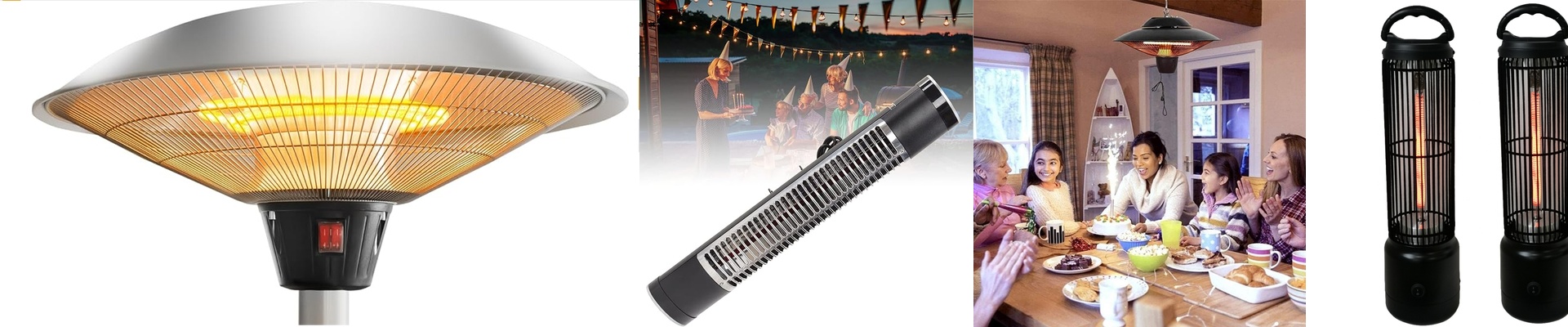
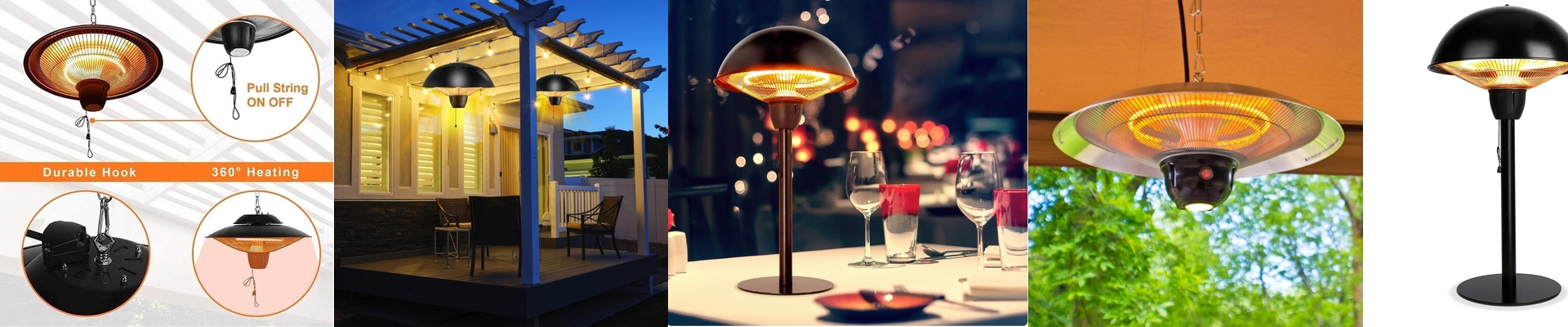
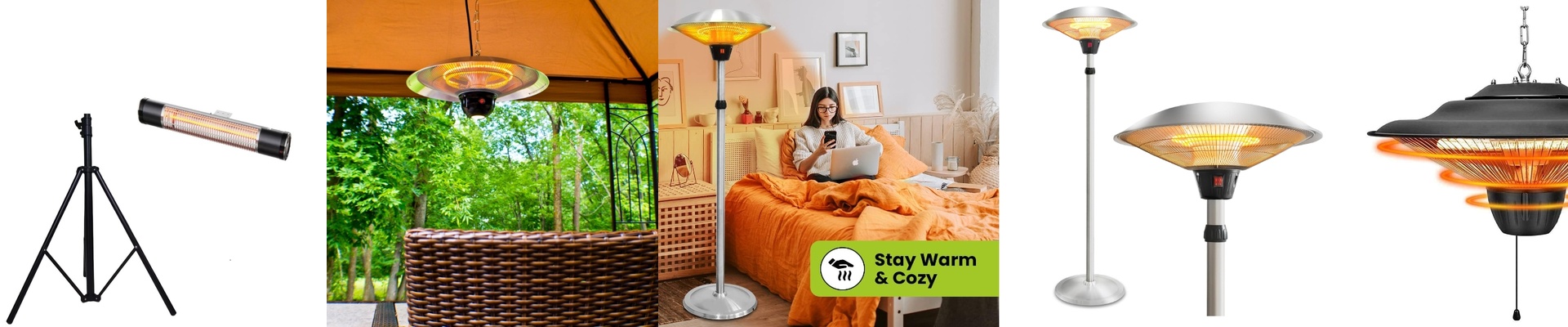
Cold moves into a tent faster than you can get a warm drink into your hands. Once the temperature dips, comfort goes with it. Sleep gets fitful, and conversations die down. A tent heater doesn’t just need to make heat—it has to make the right kind of heat, fast, quietly, and without costing you more than you signed up for.
What matters, under the hood
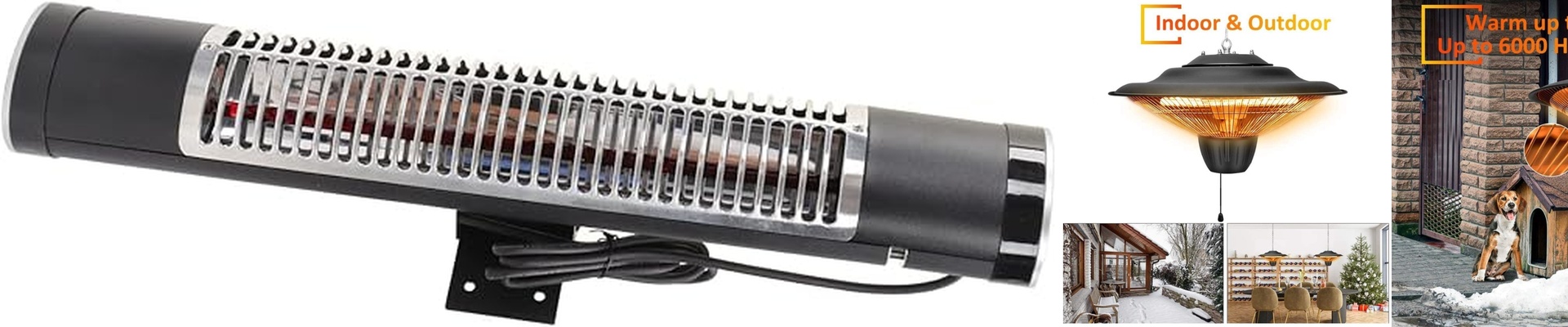
We build our tent heaters around infrared radiant heat, using a carbon fiber heating element that turns electricity into direct, directional warmth. Convection heaters warm the air, and the air slips away. Infrared warms people and objects first—just like the sun warming your face on a cool day. The payoff is immediate comfort without drafts. The efficiency is real. In controlled field tests under typical camping loads, our infrared design delivered the same perceived comfort at about 30% lower energy use compared with standard forced-air electric heaters. You feel the warmth almost instantly, and the thermostat keeps output steady instead of cycling on and off. For safety, you get tip-over protection and overheat protection, and the exterior stays cool enough to touch. The specs are practical: 120V plug-in operation, a compact footprint that tucks into tent corners, and a sealed design that can handle damp mornings.
Why this approach fits the tent
Inside a tent, air movement is the enemy of warmth. Every time the door opens, heated air makes a run for it. Radiant heat changes the equation because it heats surfaces and bodies directly, not the air. You stay cozy even when you’re moving around, and you don’t burn energy reheating the whole volume every time someone steps in or out. From a cost standpoint, the savings add up. If you typically spend $15 per night on heating, a 30% reduction brings you down to around $10. Over a weekend trip, that’s $10 back in your pocket. Over a season, it can mean the difference between heating on occasion and making every weekend genuinely comfortable.
The details that make it work
Infrared warmth does its best work when the heater has a clear line of sight to where you sit and sleep. Block it with gear or tuck it behind a tent wall, and it won’t feel as warm. The exterior runs cooler than metal-cased heaters, but you still need to keep the unit clear of bedding and tent fabric. Plan for placement and power. Most models plug into standard outlets, but if you’re off-grid, match the heater’s wattage to your battery and inverter capacity. In very humid conditions, condensation can form on some surfaces—that’s normal for electric heating, and it’s manageable with proper positioning and ventilation.