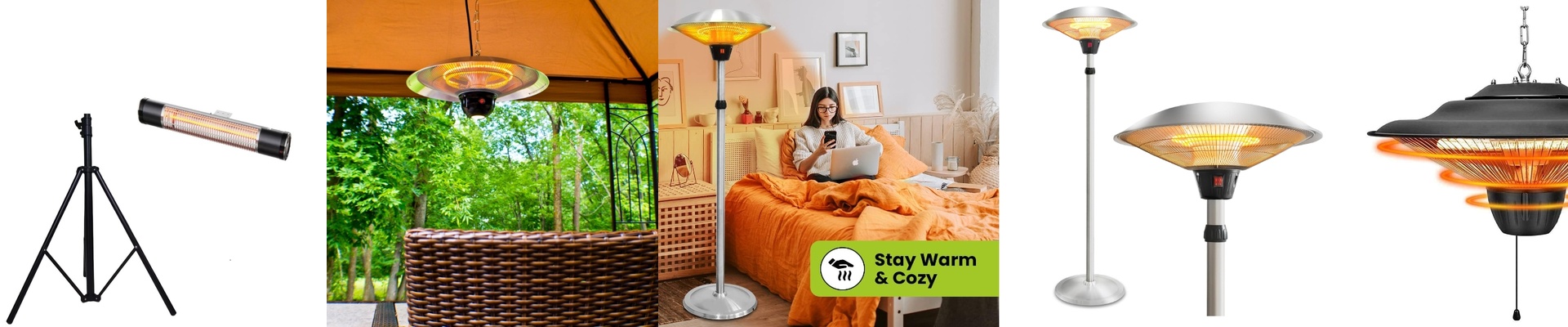
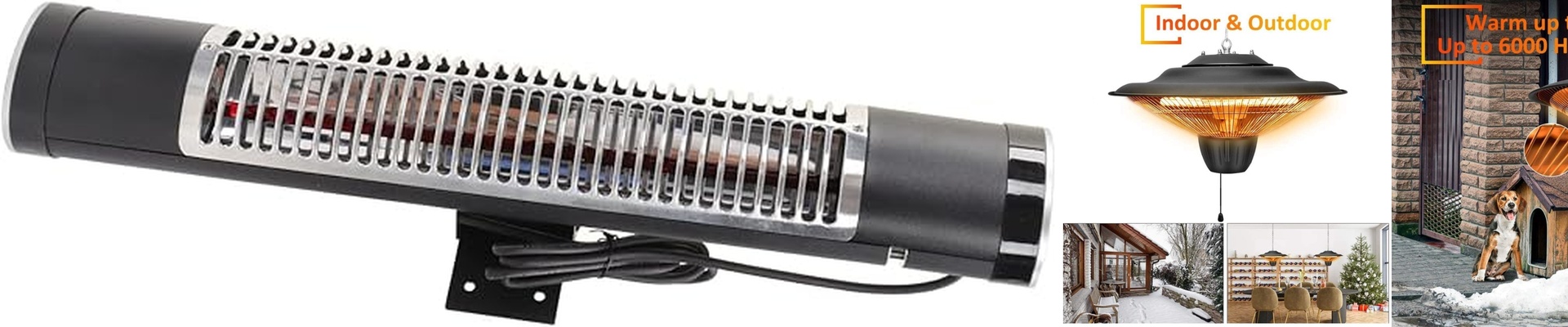
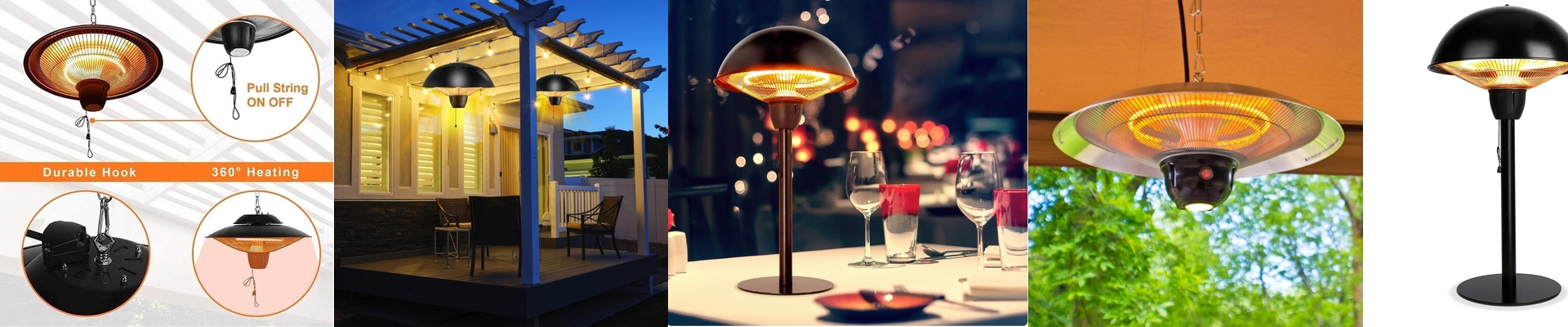
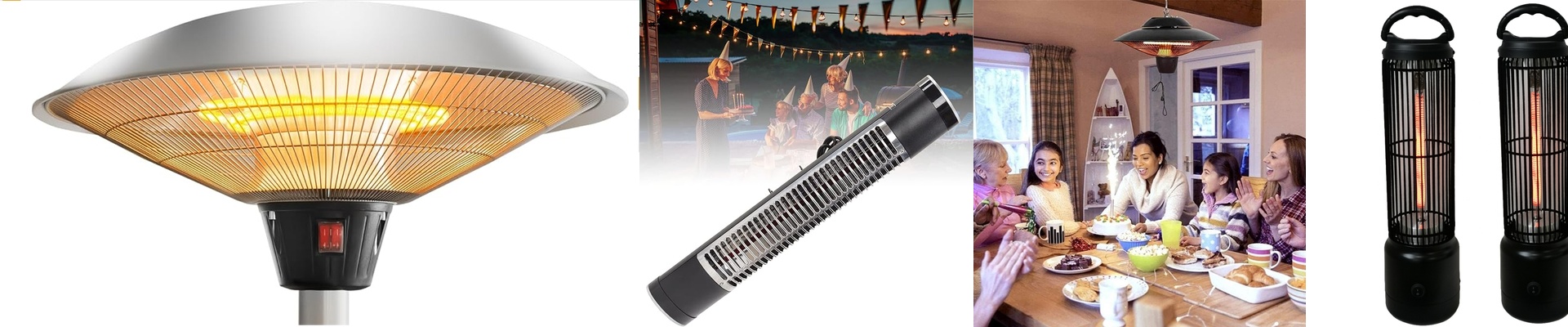
Public facilities run on budgets, not guesswork. When the winter bill hits, the question is straightforward: how do you keep offices, lobbies, and workshops warm without the cost running away on you? Traditional forced-air systems heat empty air and leak energy through cracks. Infrared space heaters change the equation by putting warmth where it’s needed, when it’s needed.
What matters, technically
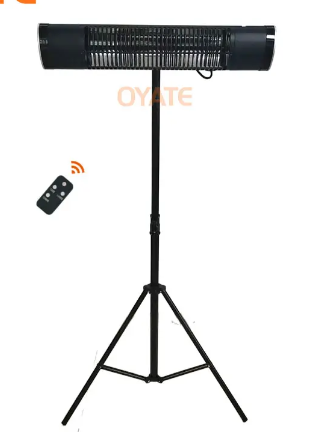
Infrared space heaters work on radiant heat, the same way the sun does. They warm people and surfaces directly, not the air between. Quartz tubes or carbon fiber elements produce short-wave or medium-wave infrared heat that travels in straight lines, heating whatever’s in the beam. Many models run on 120V or 240V and are sized for standard electrical drops, so you can deploy them without rewiring entire rooms. The remote control puts operation in the hands of the people on site. With an IR remote, staff can adjust output, set timers, and manage temperature setpoints without walking over to the unit. That matters because it keeps heat matched to occupancy patterns, not the other way around.
Why it works in these spaces
Municipal buildings have high ceilings, wide doors, and occupancy that comes and goes. Heating the full volume of air in those spaces is expensive. Infrared warmth targets the floor and work zones, so you can keep air temperature lower while people still feel comfortable. The payoff is lower energy use during peak winter months and a more stable, predictable monthly bill. Remote control simplifies scheduling and cuts down on human error. Heat is active when rooms are in use and scaled back when they’re not. Over a winter season, those small adjustments add up to real savings on the annual heating budget, while comfort stays steady in lobbies, break rooms, and maintenance shops.
What you need to know
Infrared heat is directional, so placement matters. Aim units to cover the primary activity areas, and watch for obstructions that create “shadows” where warmth won’t reach. Most heaters are electric and need a dedicated circuit. For larger rollouts, have a licensed electrician confirm load calculations and local code. In damp areas, spec units rated for moisture resistance. Used correctly, infrared heaters with remote control deliver focused warmth, easier management, and a steady path to lower operating costs.