
More Than Just a Warm Bathroom: How We Actually Fight Mold
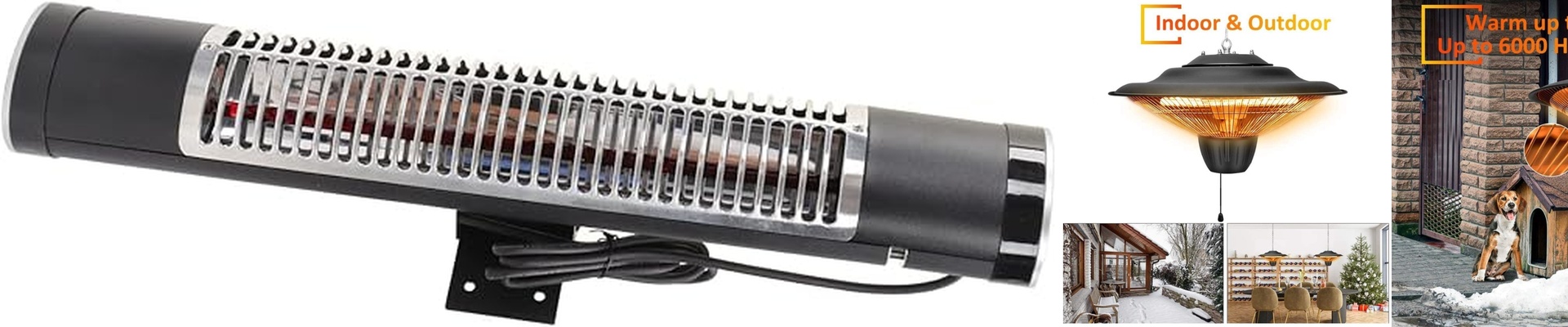
When most people see an infrared lamp in a bathroom, they just think, “Oh, a heater.” But from where we stand, it’s not really about warming up the air. It’s about controlling the environment so your walls don’t turn into a science project. The secret is in how the heat moves. Standard heaters just blow warm air around. The problem? Your walls stay cold. When that warm, moist air hits a cold wall, it turns back into water. That’s where mold loves to hang out. We do things differently. We use shortwave infrared that goes straight for the walls and floors. It penetrates the surface and keeps the material warm enough that water simply can’t settle. If the wall doesn’t get damp, the mold spores have nowhere to live. Simple as that. It’s basically a stealth dehumidifier. These lamps blast high-intensity radiation that makes standing water on your tiles and grout vanish. We’ve tuned the heat just right—enough to dry everything out quickly, but not so much that you’re scorching your fixtures. It’s a lot faster than waiting for a basic exhaust fan to do the heavy lifting. It turns liquid water into vapor almost instantly, clearing the dampness out of the air before it becomes a problem. But, there’s a bit of a catch. You get instant heat and dry floors, but you have to be smart about where you put the unit. These lamps put out a lot of concentrated energy. If you mount one too low or forget to set up proper ventilation, you might warp some plastic trim or put too much stress on your ceramic tiles. Plus, you can’t just “set it and forget it” with the airflow. If you aren’t moving that evaporated moisture out of the room, you’re basically just moving the water from your floor to your ceiling. One last thing: keep an eye on those glass seals. If a seal fails and moisture hits the filament, the lamp is toast. A quick check every now and then saves you from a dead bulb and a cold morning.