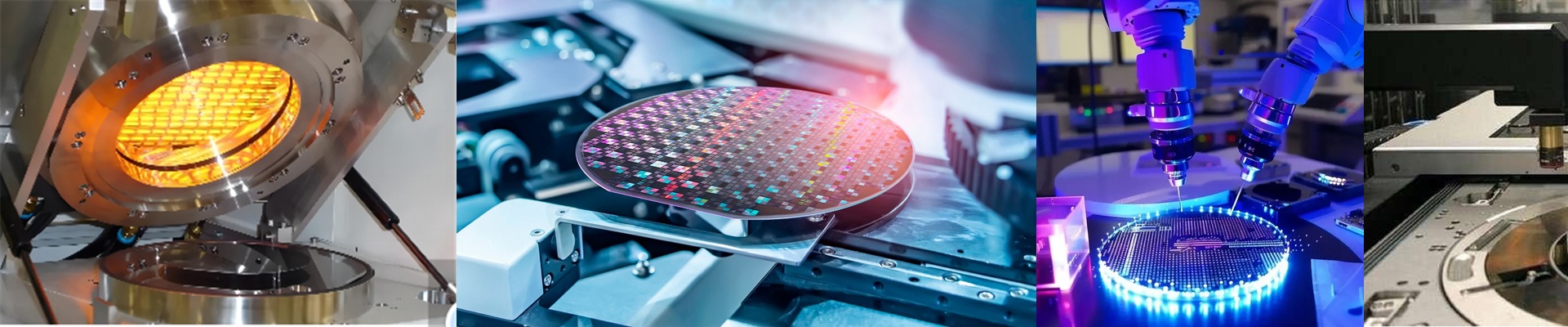
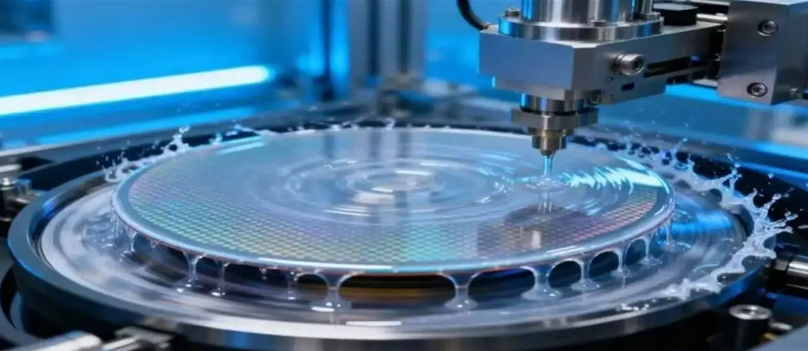
On the fab floor, laser dicing falls apart when the wafer’s thermal budget starts drifting. Photoresist residues, micro-cracks, edge chipping—most of it traces back to the same root: unstable, uneven heating under the wafer during dicing support. You need a heater that holds temperature within ±0.1°C across the active area, and does it without adding particles to the line.
What matters, technically
We built the laser wafer dicing support heater around a low-thermal-mass, NIR-optimized element. Setpoint response is sub-second, so you’re not waiting around. Temperature uniformity stays at ±0.1°C across the wafer support zone, and run-to-run repeatability keeps your critical dimension budget intact. The system is rated for cleanroom Class 1–100, with zero particle generation verified by in-situ monitoring. Control is closed-loop, with multi-zone compensation to knock out hot spots right at the dicing lanes.
Why it holds up in practice
This heater is engineered for the steps you actually run: wafer drying, photoresist soft bake and hard bake, packaging encapsulation curing, and post-clean drying. In lithography, it steadies the soft bake profile so line width and sidewall angle stay within spec. In packaging, it gives you repeatable cure kinetics without the overshoot that warps substrates. In dicing support, it preheats the wafer to cut thermal shock, which improves die strength and lowers scrap. The payoff is fewer rework lots, stable cycle times, and measurable energy savings because the heating is targeted and efficient.
What you need to get right
Integration is straightforward, but hitting ±0.1°C uniformity means using matched thermal interface materials and keeping mechanical flatness tight. Check your chuck or support fixture tolerances before you install. If line voltage dips below the minimum, you’ll see transient undershoot—so in areas with grid fluctuation, we recommend a local voltage stabilizer. Set up properly, the unit runs 24/7 reliably, and our field data shows sustained operation over 5,000 hours with minimal output drift.