
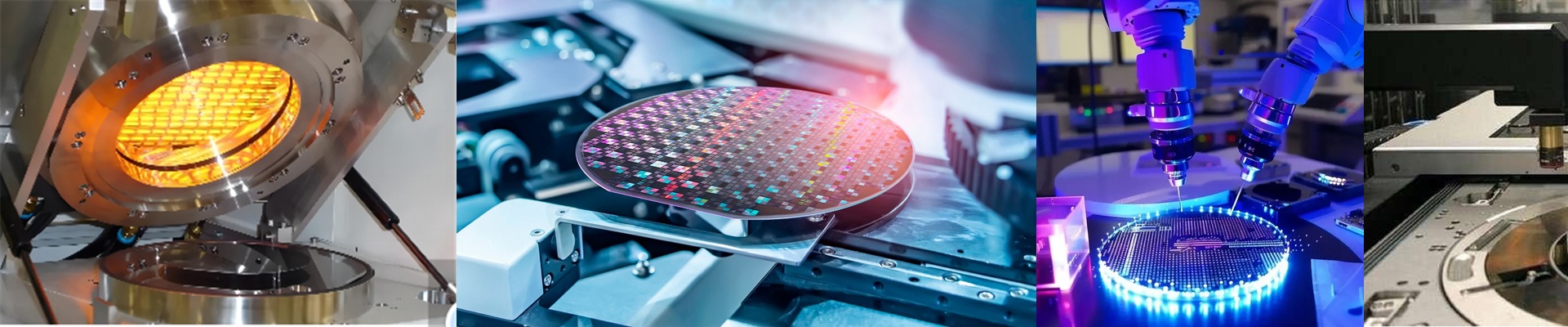

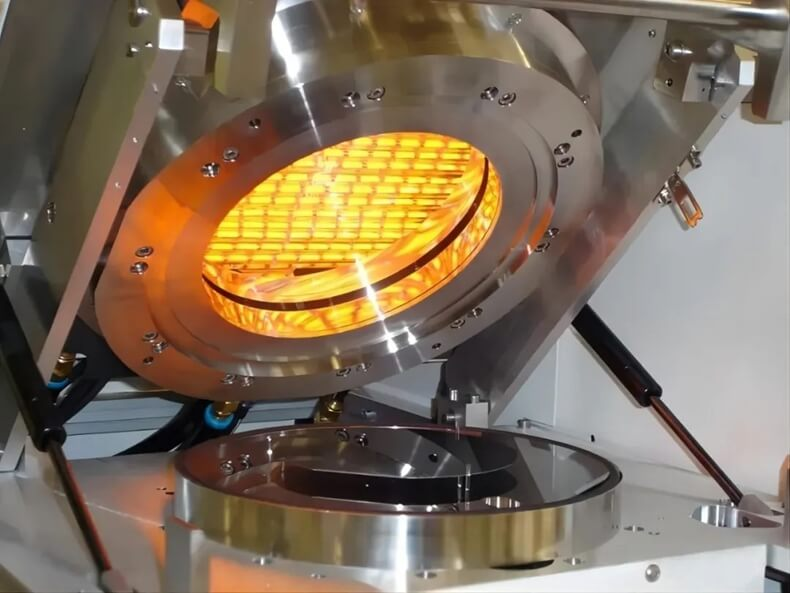
Out on the line, CIGS solar cell yield comes down to one thing: thermal control you can count on, shift after shift. A few degrees of drift during photoresist bake or substrate drying can throw off critical dimensions, or worse, trap moisture that ends up delaminating layers. In this process, the margin for error is measured in nanometers. What matters under the hood Our CIGS processing heater leans on short-wave infrared (SWIR) emitters and a quartz-encapsulated design to dump heat in fast, clean pulses. It holds wafer-level temperature uniformity within ±0.1°C across the entire substrate, which is exactly what you need to hit tight photoresist soft bake and hard bake profiles. It’s built for cleanroom Class 1–100, and you don’t get particle generation during thermal cycling. The control architecture locks setpoints with sub-second response, so your thermal budget stays inside spec, batch after batch. Why it sticks in production This heater goes after the pain points you actually live with: wafer drying, photoresist baking, and packaging cure—all of it needs consistent temperature without contamination. On the lithography side, you get tighter critical dimension control and fewer reworks. In cleaning and drying, it pulls moisture out quickly without thermal shock, so you don’t carry moisture into the next step. Energy use drops because the SWIR profile heats the target, not the chamber walls. It’s built to run 24/7, and field deployments have run with zero unplanned downtime. A few field notes The unit fits standard SEMI footprints, but integration still means matching chamber geometry and exhaust routing to keep laminar flow where you need it. Expect a short commissioning window to tune emissivity and ramp rates to your specific CIGS stack. The quartz envelope is tough, but treat it carefully during maintenance—micro-cracks can nudge output stability. Once everything’s aligned, the process window tightens predictably, and repeatability becomes the baseline.