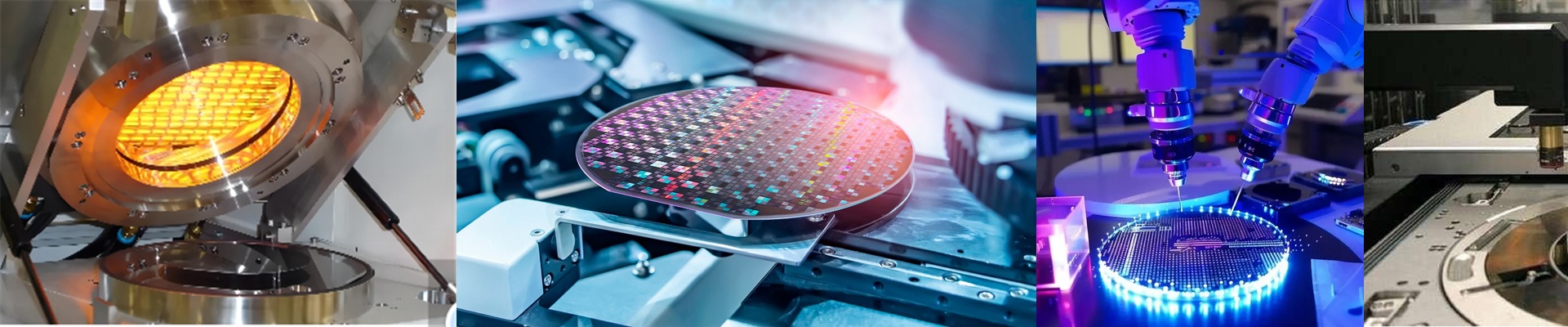
On the fab floor, polyimide bake isn’t just another thermal step. It’s the line in the sand between hitting spec and scrapping the lot. A 2°C drift in soft bake or hard bake will eat your critical dimension control and bake residual stress right into the photoresist stack. We built the infrared lamp to live with that constraint, not fight it. What matters under the hood The lamp leans on short-wave infrared to dump energy straight into the polyimide, fast, without turning the surrounding hardware into a heater. Across the bake zone, wafer-level uniformity holds at ±0.1°C, and the profile repeats shot to shot. Cleanroom behavior is baked into the materials and airflow path, so particle generation stays low enough for Class 1–100 floors. The payoff is a stable thermal budget: solvent comes out cleanly, crosslinking stays controlled, and film stress behaves predictably. Why it holds up in lithography and packaging Polyimide bake in these lines demands a quick ramp, a tight soak, and zero contamination. With this lamp, you shorten cycle time without sacrificing yield, because the temperature profile tracks across lots and shifts. Energy use drops, too—heat lands on demand instead of idling in a hot chamber. And it runs 24/7; output stays stable over thousands of hours, which translates to fewer unplanned stops and less maintenance disruption. What to plan for on install You need precise optical alignment and a clean, controlled exhaust path. Get those wrong, and you risk localized hot spots or poor capture of outgassing. The lamp output is sensitive to reflector condition and cleanliness, so treat reflector checks like any other critical tool PM and keep them on schedule. Plan the interface early. Match the lamp footprint and control signals to your existing bake module, and you avoid rework and protect the thermal profile you already qualified.
ในการผลิตที่ชั้นงาน การอบโพลิอิไมด์ไม่ใช่แค่ขั้นตอนความร้อนธรรมดา แต่เป็นเส้นแบ่งระหว่างการผ่านสเปคและการต้องคัดแยกทั้งหมด การเปลี่ยนแปลงอุณหภูมิเพียง 2°C ในขั้นตอน soft bake หรือ hard bake จะส่งผลต่อการควบคุมมิติสำคัญ และความเครียดตกค้างจากการอบเข้าสู่ชั้นโฟโต้เรซิสต์โดยตรง เราออกแบบโคมอินฟราเรดให้ทำงานภายใต้ข้อจำกัดนี้ ไม่ใช่ไปขัดแย้งกับมัน
สิ่งที่สำคัญภายในโคม
โคมใช้รังสีอินฟราเรดคลื่นสั้นในการส่งพลังงานตรงเข้าสู่โพลิอิไมด์อย่างรวดเร็ว โดยไม่ทำให้ฮาร์ดแวร์โดยรอบกลายเป็นแหล่งความร้อนในตัว บริเวณโซนอบ ความสม่ำเสมอบนเวเฟอร์อยู่ในขอบเขต ±0.1°C และโปรไฟล์อุณหภูมิซ้ำได้ทุกช็อต การทำงานในห้องสะอาดถูกออกแบบร่วมกับวัสดุและเส้นทางการไหลของอากาศ ทำให้เกิดฝุ่นละอองในระดับต่ำพอสำหรับชั้นคลาส 1–100 การรักษางบประมาณความร้อนที่เสถียรช่วยให้สารละลายระเหยออกอย่างสะอาด การเชื่อมโยงข้ามโมเลกุลยังคงควบคุมได้ และความเค้นในฟิล์มแสดงพฤติกรรมที่คาดการณ์ได้
เหตุผลที่รักษามาตรฐานในลิโทกราฟีและแพ็กเกจจิ้งได้
การอบโพลิอิไมด์ในสายนี้ต้องการการเพิ่มอุณหภูมิอย่างรวดเร็ว การเก็บอุณหภูมิไว้อย่างแม่นยำ และการไม่ปนเปื้อนใดๆ กับโคมนี้จะช่วยลดเวลาในรอบการผลิตโดยไม่ลดผลผลิต เพราะโปรไฟล์อุณหภูมิมีความสม่ำเสมอข้ามล็อตและกะที่ต่างกัน การใช้พลังงานลดลงด้วยเช่นกัน ความร้อนจะถูกส่งเฉพาะเมื่อจำเป็น แทนการปล่อยให้ความร้อนลอยอยู่ในเตาที่ร้อนตลอดเวลา และโคมทำงานได้ตลอด 24/7 โดยผลผลิตมีความเสถียรนานนับพันชั่วโมง ส่งผลให้จำนวนการหยุดงานโดยไม่คาดคิดลดลง และลดการรบกวนจากการบำรุงรักษา
สิ่งที่ต้องวางแผนเมื่อติดตั้ง
จำเป็นต้องตั้งค่าแนวแกนแสงอย่างแม่นยำและมีเส้นทางระบายอากาศที่สะอาดและควบคุมได้ หากติดตั้งผิดพลาด มีความเสี่ยงที่จะเกิดจุดร้อนเฉพาะจุด หรือไม่สามารถดักจับก๊าซระเหยได้ดี กำลังโคมไวต่อสภาพและความสะอาดของรีเฟล็กเตอร์ จึงต้องตรวจเช็ครับสะท้อนเหมือนเครื่องมือสำคัญอื่นๆ และรักษาตารางการบำรุงรักษาให้ตรงเวลา
วางแผนการเชื่อมต่อให้ชัดเจนตั้งแต่เนิ่นๆ ให้โคมตรงตามขนาดและสัญญาณควบคุมกับโมดูลอบที่มีอยู่ เพื่อลดการทำงานซ้ำซ้อนและปกป้องโปรไฟล์ความร้อนที่ผ่านการรับรองแล้ว