Getting Your Thermal Data Right in a Smart Fab
If you’re building out a Smart Fab, you’ve probably realized that just “adding heat” isn’t enough. You need a way to actually see what’s happening and turn that heat into data you can use. That’s where infrared (IR) systems come in. They give you a direct, non-contact way to keep an eye on your process without getting in the way.
How the data actually flows
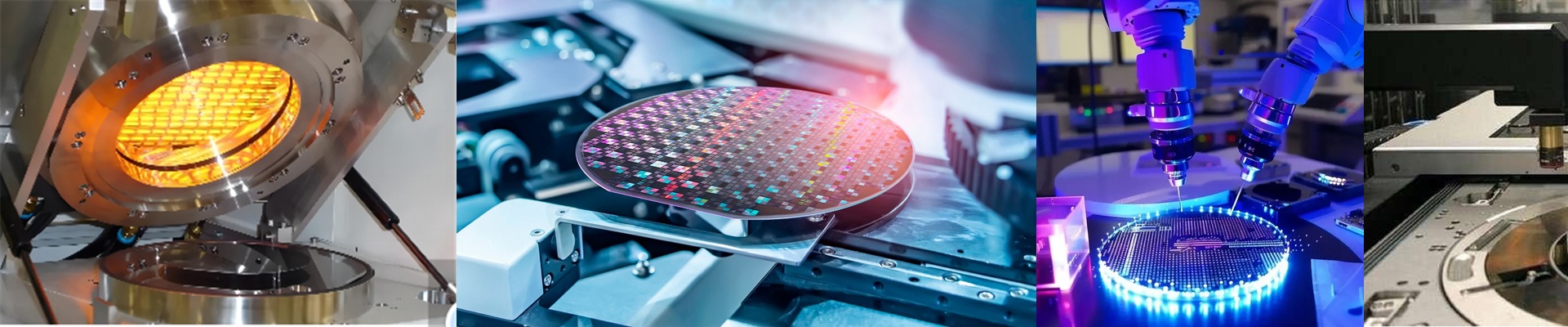
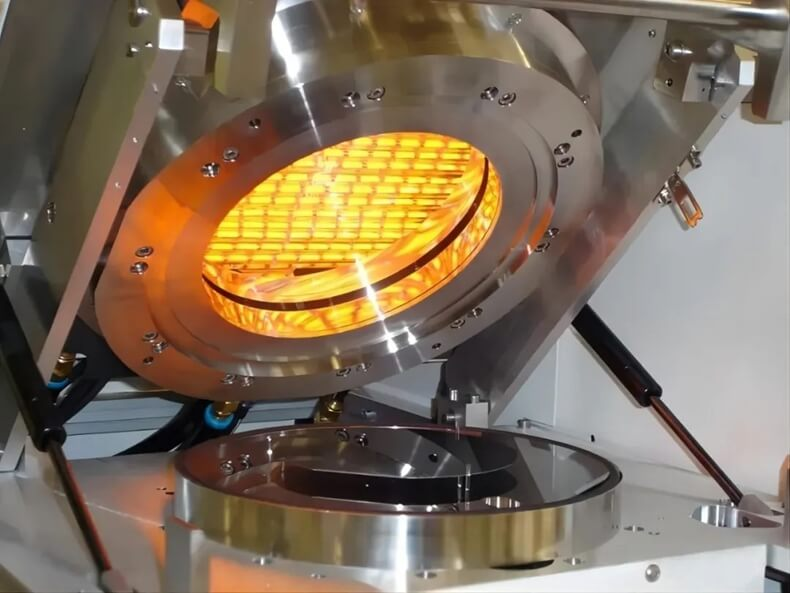
Here’s how it works in the real world. IR emitters send radiation straight through to the substrate. In a modern setup, we pair those emitters with smart sensors to create a loop. The sensors watch the surface temperature in real-time and tell the PLC exactly when to dial the power up or down. It’s a huge relief compared to old-school convection heating, where you’re always waiting for the temperature to “catch up.” With IR, it just happens.
Making it fit the digital mold
To make this work in a Smart Fab, we keep things modular. Instead of one big heat source, we use IR arrays broken down into precise zones. Think of it like a heat map for your production line. You can see a cold spot or a sudden spike the second it happens. Once you have that level of detail, you’ve basically built a digital twin of your thermal process. You aren’t guessing anymore; you’re watching.
The messy parts (The trade-offs)
Now, it’s not all easy. High-density IR arrays are power-hungry. If you scale up too fast without checking your electrical panels, you’re going to trip breakers the moment you hit the start button. It’s a headache you definitely want to avoid. Then there’s the “heat soak.” Even though the IR is aimed at the product, the chassis around it still gets toasted. To stop your sensors from drifting—which ruins your data—we usually add forced-air cooling to the housings. Keep the sensors cool, and the data stays clean. The best move? Hook everything into your SCADA network. It lets you stop fiddling with manual dials and start running a production line based on actual numbers.