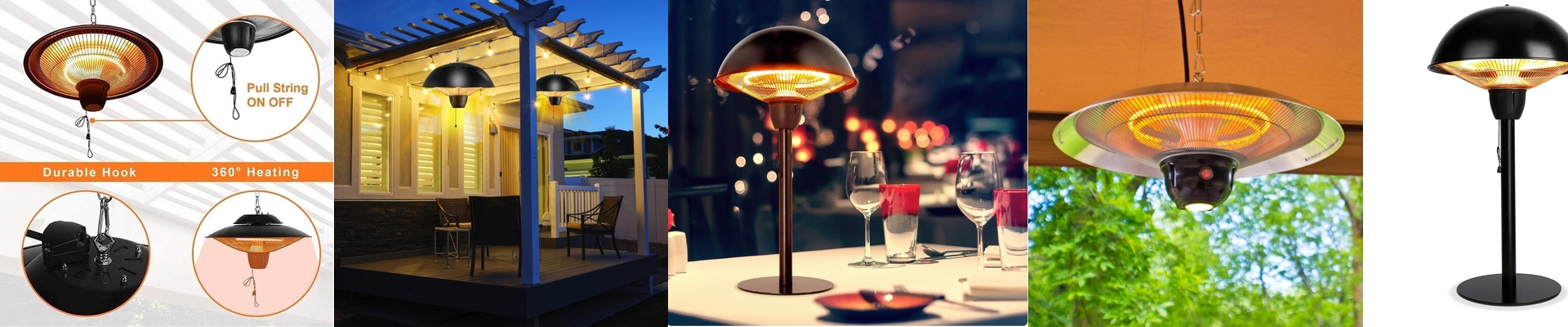
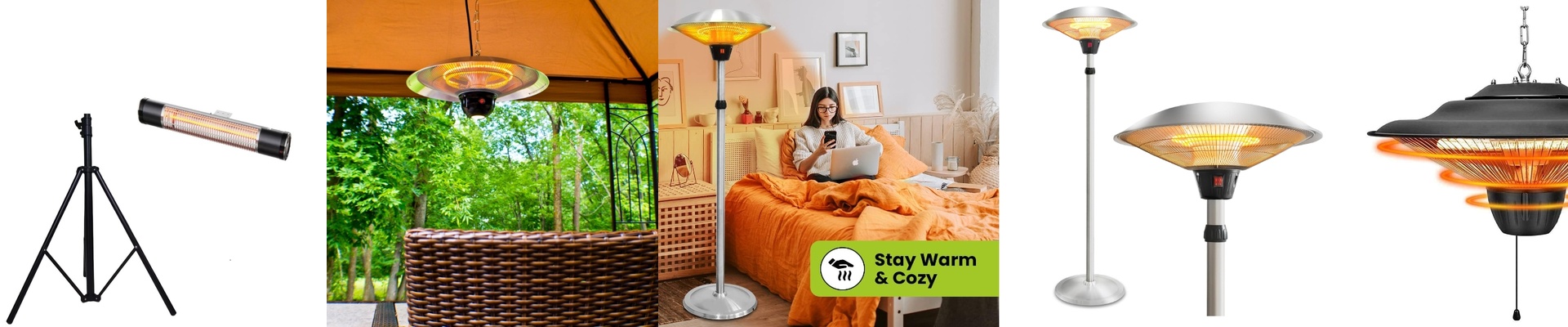
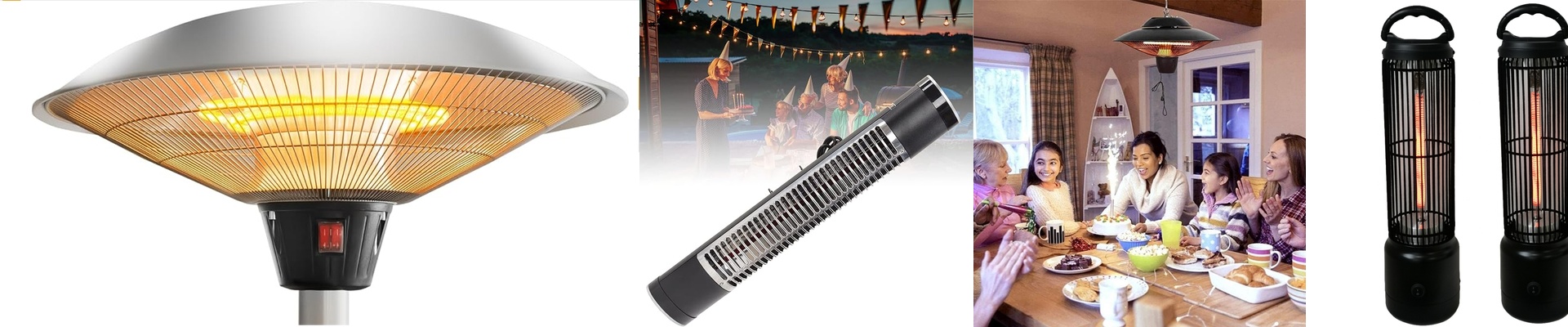

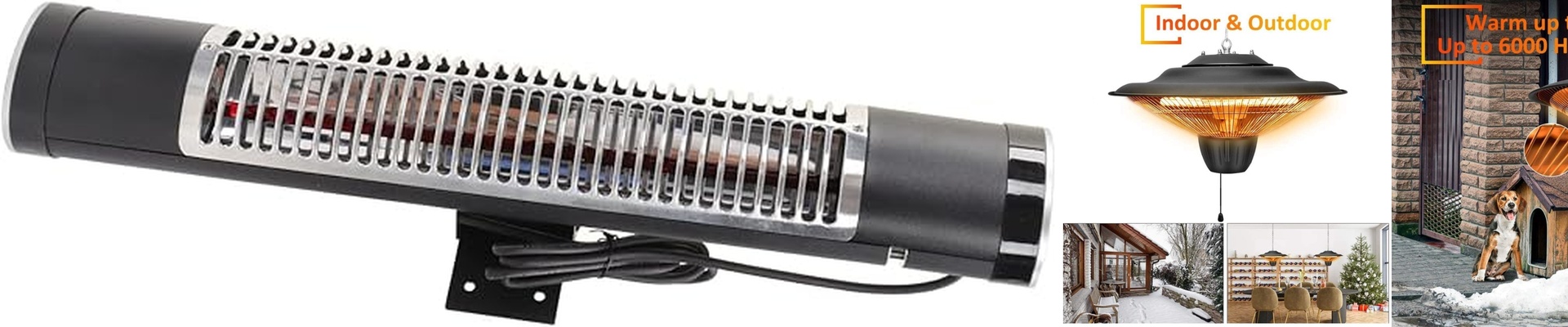

If seasonal allergies make winter a headache, you know the drill: bundle up and freeze, or crank the heat and deal with air that’s dusty, dry, and irritating. We built our mantle fireplace heaters to get you off that ledge. No more blasting hot air that kicks up particles and dries out eyes and throat. We lean on infrared warmth to heat people and surfaces directly, so the air stays calmer and noticeably cleaner.
What’s actually going on under the hood
Our mantle fireplace heaters use a radiant infrared element—usually a quartz tube or a carbon fiber core—to deliver heat the way the sun does, without moving air. That’s a big deal because forced-air systems keep recirculating whatever’s in the room, and they tend to hammer humidity levels. The infrared warmth spreads evenly, so you feel cozy faster, without the jolts and dips you get with convection heating. The unit is meant to be used, not fussed over. You’ve got standard voltage options, an integrated thermostat to dial in comfort, and safety you can rely on: tip-over protection and an overheat cutoff. It sits cleanly inside a mantle-style enclosure, so it looks like a traditional fireplace while running on modern electric performance.
Why this approach works where it matters
In homes where allergies are part of daily life, the real win isn’t just heat—it’s breathable comfort. Because the heat doesn’t rely on blowing air, it doesn’t lift dust and allergens into your breathing zone, and it doesn’t strip moisture from the room. You get a stable indoor climate that feels easier on the eyes, nose, and throat. That matters when the family gathers around the mantle for the evening. The warmth comes on quickly, so you don’t wait around for the room to catch up, and you don’t have to choose between staying warm and feeling well.
The practical details you’ll want to keep straight
Infrared mantle heaters are meant to complement a room’s comfort, not replace a whole-home heating system. Match the wattage to the room size and keep the unit on a dedicated circuit for the best results. Since radiant heat warms objects and people directly, the warmest spot will naturally be closest to the heater—placement matters. And while the heater itself doesn’t dry the air, winter air can still feel dry. If you need it, pair the unit with a separate humidifier to hit the comfort you want.