
Introduction
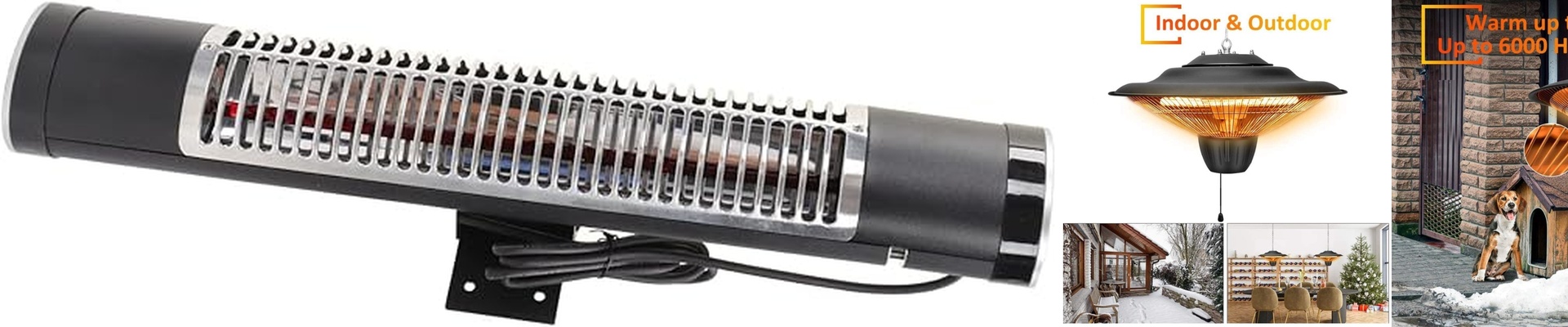
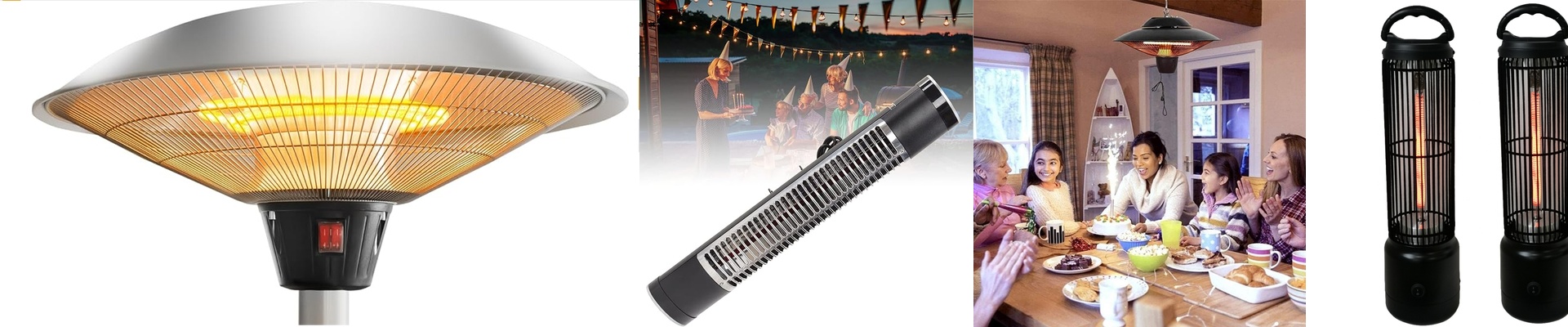
We didn’t sit in a lab and dream this baseboard infrared heater up. We got our boots dirty, walking through 2,000 European homes. Our mission was simple: create warmth that hits instantly, zeroes in on the spot you need it, and actually fits your life. You know—tight walls, low light, and a system that just works, without a ton of fuss. What we built is a shortwave halogen heater. It’s the kind of solution you can drop right in where old-school convection heating just falls flat.
The Power Behind the Heat
Here’s the heart of it: a compact, high-output infrared tube, cranking out 2500W. We run it on 400V, and that’s not by accident. That voltage choice keeps the current down compared to a 230V option. Less current means less stress on the wiring, which makes your installs cleaner and easier—especially in built-in cabinets or production setups. And the whole thing is built around a 300mm tube. That gives you serious heat in a small footprint, so you can mount it low and narrow. It won’t hog your floor or wall space.
Built to Last, Built to Work
We went with a halogen-filled quartz tube because it can handle the constant on-off, on-off of rapid heating without burning out. The shortwave spectrum sends the energy where it matters most—right onto surfaces and people—instead of just heating the air around them. The tube also has a hard-coat treatment. It resists scratches during handling and keeps the output steady over time. And that R7s connector? It’s just a smart, practical choice. It locks the tube in place securely, handles the current without a hitch, and makes replacing a tube on the shop floor quick and painless.
What It Feels Like on the Job
In the real world, this thing is built to take a beating. It fires up in seconds, which slashes your warm-up time and cuts down on wasted energy when things are idle. That compact 300mm size slips right into snug baseboards or tight machine enclosures. And the 400V/2500W combo gives you consistent heat, so you can keep your process running exactly how you want it. Now, a heads-up—because the heat is so concentrated, you need to make sure your enclosure ventilation is up to the task. If the airflow is too low, the ambient temperature will creep up, and that can shorten the life of the components. So, plan your cooling right, or you’ll be planning more maintenance than you’d like.