Getting Your Heat Where It Actually Belongs: The Truth About Aluminum Reflectors
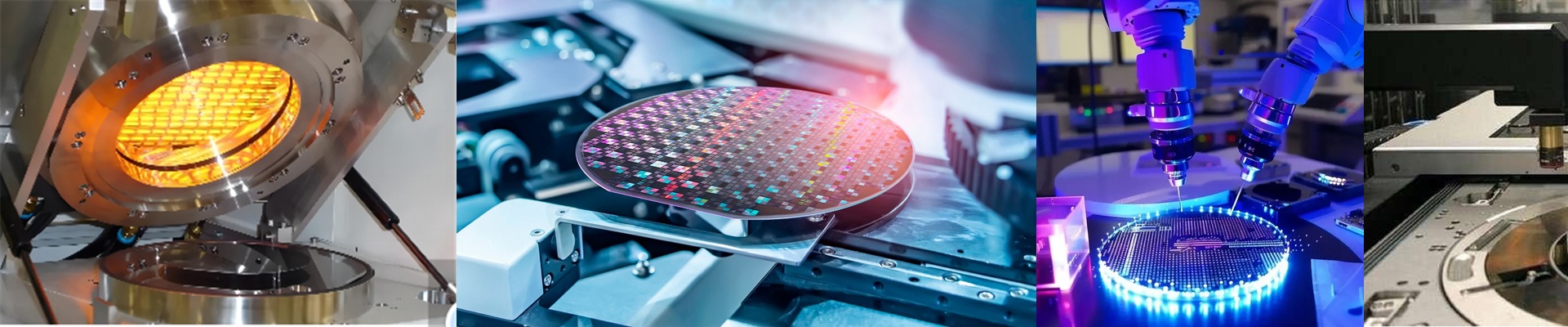
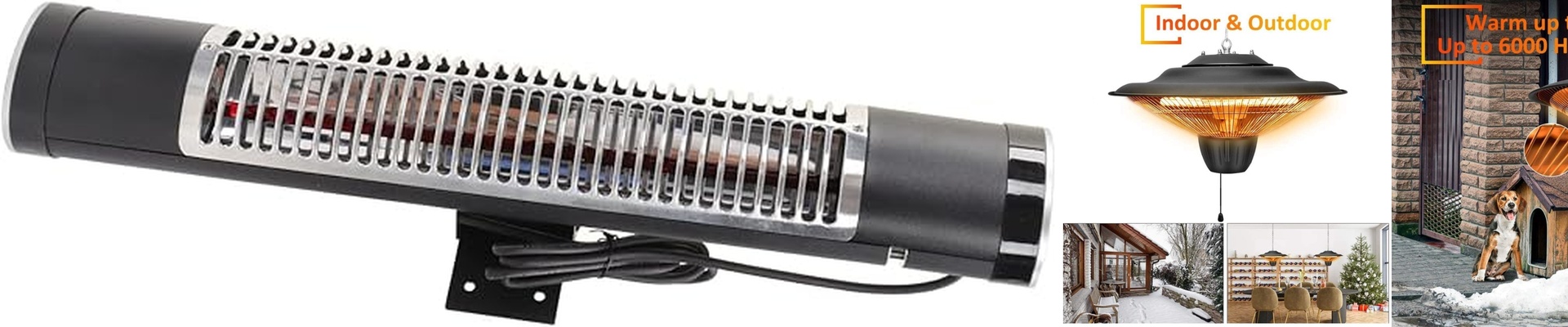
In a Smart Fab, heat is a bit of a wild animal. If you don’t corral it, it goes everywhere—usually straight into your machine chassis where it doesn’t belong. That’s why we lean on high-purity aluminum reflectors. They act like a mirror for infrared (IR) radiation, pushing all that energy directly onto the workpiece instead of letting it leak.
Why Aluminum?
It’s pretty simple. Aluminum is great at bouncing back short and medium wavebands. When you take a high-wattage IR lamp and nestle it into a precision-curved aluminum trough, you stop bleeding energy. You’re creating a concentrated heat zone. In a modern setup, this is a huge win because you hit your target temperature way faster. **Fast ramp-up equals shorter cycle times.**It’s that simple.
Fitting Into the Digital Puzzle
Modern factories run on data. Your IR systems should be chatting with your PLC loops, adjusting power on the fly based on what the sensors are seeing. We keep these reflectors compact. Why? Because you probably want to squeeze more heating zones into a tight space without accidentally frying your nearby electronics. One thing to keep an eye on: the surface finish. If the aluminum starts to pit or oxidize, those IR rays scatter. Your efficiency drops. Depending on what chemicals you’re running in your Fab, you’ll want to go with either a polished or an anodized finish.
The Trade-offs (The Part Most People Miss)
Here’s the catch. When you push more heat into the part, you’re also putting a lot more stress on your cooling fans. If you jam in a high-density IR array but forget to beef up your exhaust system, you’re going to start tripping thermal alarms on your control boards. It’s a headache you don’t want. And do yourself a favor: wire it to a PID controller. It keeps the lamps from blowing out during that first big surge and stops the aluminum from warping when things get intense.