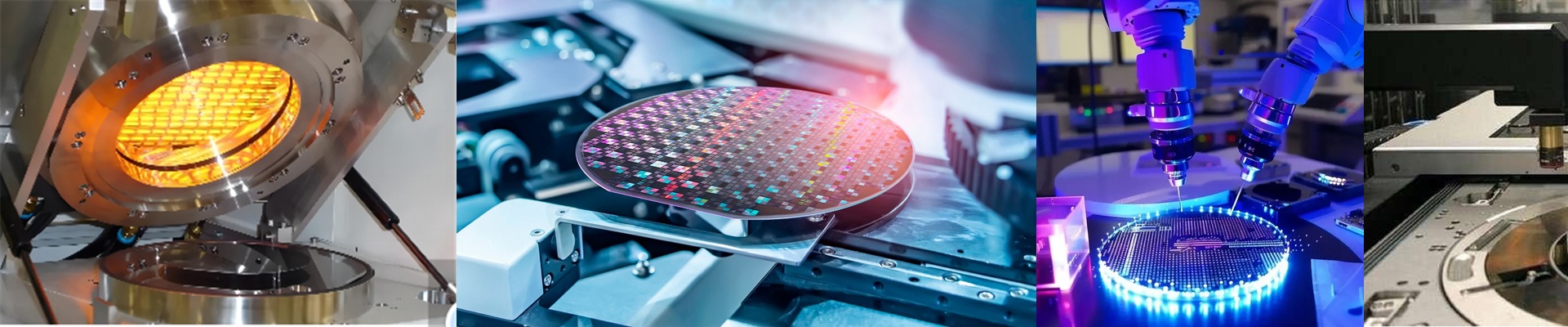
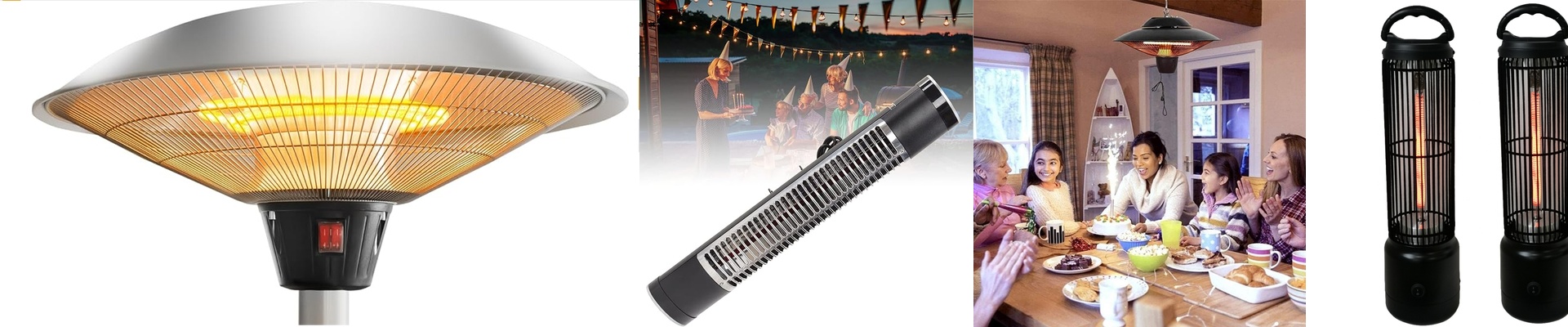
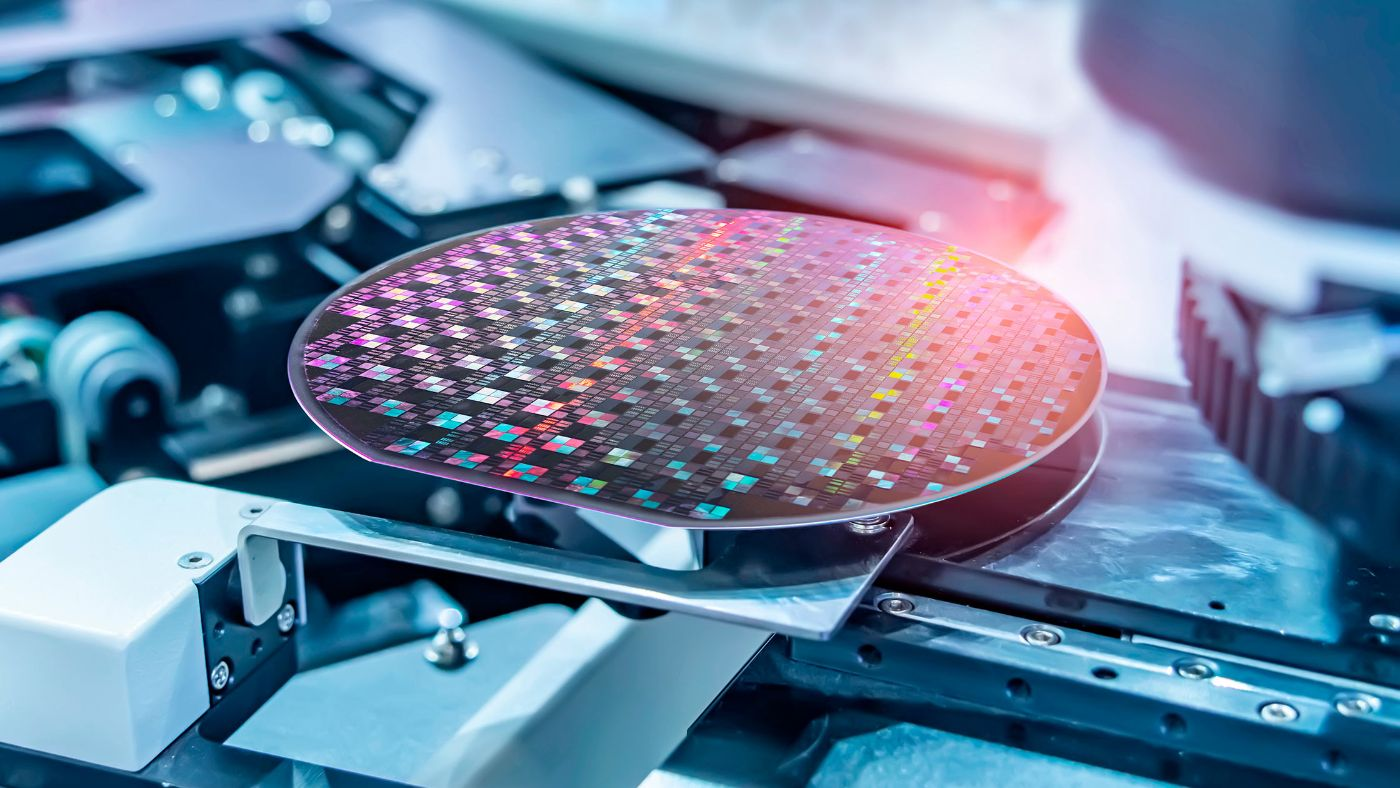
On the fab floor, a 0.5°C drift during the photoresist bake is enough to scrap a whole lot. You need heat that lands exactly where the process card calls for it—run after run. What matters under the hood Our NIR emitter bulb puts out short-wave energy that responds fast and stays tight spectrally, so temperature transitions are quick and repeatable. Across the bake zone, wafer-level uniformity holds at ±0.1°C—the kind of control that protects critical dimensions in lithography. The emitter itself is cleanroom-compatible, built to keep particle generation low, and it holds stable output over thousands of hours. In practice, that means less wasted thermal budget, fewer defects, and cycle times you can bank on. Why it fits the photoresist process In photoresist processing—soft bake and hard bake—temperature stability drives solvent removal, adhesion, and line-width control. The NIR source heats without contact, which cuts contamination paths and helps you stay within cleanroom Class 1–100 requirements. You get consistent bake profiles from wafer to wafer, so first-pass yield climbs and rework drops. The energy use is focused and controlled, so you can also shave utility costs without slowing throughput. What to plan for on install NIR emitters need matched thermal management—heat sinking, airflow, and mounting tolerances have to line up with the tool geometry. We provide compatible fixtures and integration guidance, but expect a short commissioning window to tune the PID and confirm profile repeatability. Once it’s set, the system runs with minimal maintenance. Still, alignment and cleanliness are the gatekeepers to holding that ±0.1°C performance day in and day out.