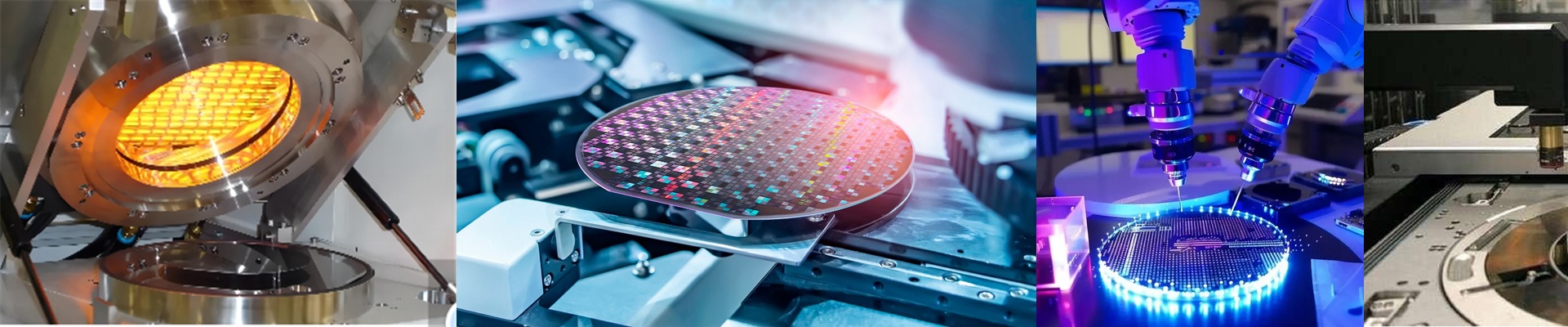
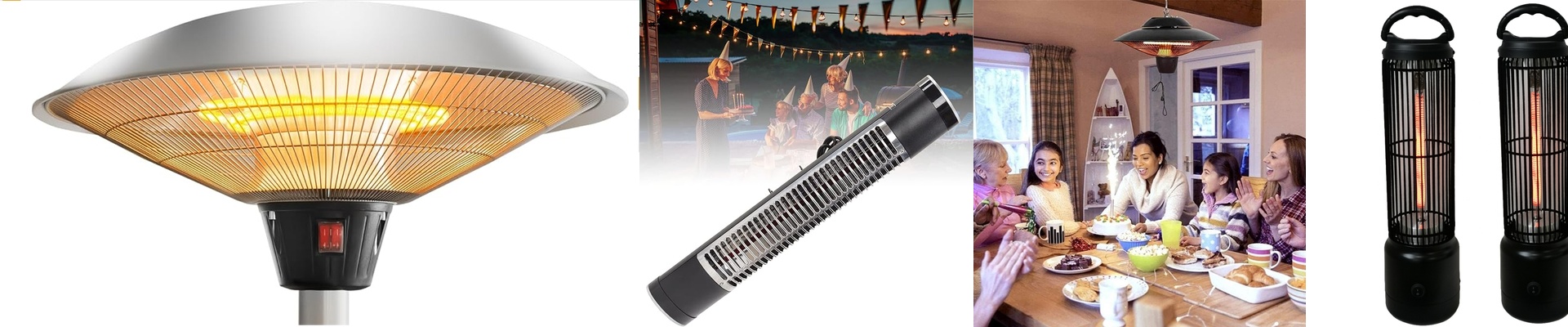
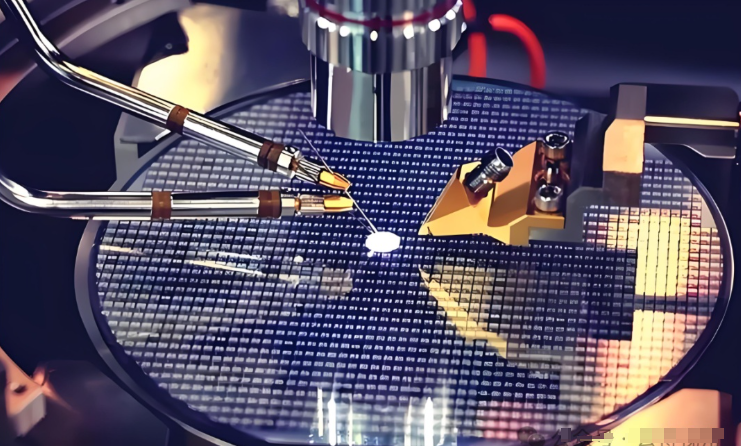
On the fab floor, Soft Bake and wafer drying are the kinds of steps that don’t forgive drift. A 1°C swing can shift critical dimensions, and trapped moisture is a straight path to defects. We built the AFM heater to stay inside the thermal budget that advanced wafer processing demands—day in, day out. What matters under the hood We went with short-wave infrared in a quartz envelope, so it responds fast and holds steady. Wafer-level uniformity stays within ±0.1°C across the bake zone, and setpoint repeatability holds within ±0.2°C from cycle to cycle. The package is cleanroom-ready, Class 1 to Class 100, and we verify zero particle generation with in-situ monitoring. Field data backs it up: over 5,000+ operating hours, no unplanned downtime. Why it sticks in lithography Soft Bake is where photoresist viscosity and solvent removal get locked in. Stabilizing that step cuts line-width variability and helps yield. The same thermal profile handles wafer drying after cleaning, knocking off surface moisture without cooking the stack. You end up with tighter process cycles, less scrap, and a thermal footprint that stays consistent across product splits. Energy use is trimmed, and maintenance intervals stretch out—fewer spares, less labor. What you need to make it sing Plan on a dedicated power feed and confirm the thermal coupling to the stage. The heater hits full spec only when chamber airflow and emissivity match the process recipe. Commissioning is quick: tune ramp rates and soak times to your photoresist stack, then lock it in. Once it’s dialed, the process stays repeatable. The unit handles repeated wet-dry and bake-curing cycles without losing ground.